전자 부품 공급업체 | 트랜스포머, 인덕터, 인버터


변류기 코어 소개
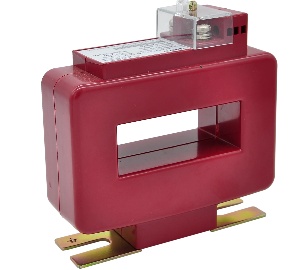
변류기 (CT) 코어는 전기 측정 및 보호 시스템의 중요한 구성 요소입니다.. 계측기 및 계전기에 대해 높은 전류를 관리 가능한 수준으로 낮추어 정확한 전류 측정을 가능하게 합니다.. 스마트 그리드와 재생에너지 통합의 등장으로, 효율적이고 신뢰할 수 있는 제품에 대한 요구변류기 코어 급증했다.
이 가이드에서는 유형을 살펴봅니다., 재료, 애플리케이션, 그리고 최신 트렌드CT 핵심기술, 엔지니어와 업계 전문가가 정보에 입각한 결정을 내릴 수 있도록 지원.

변류기 코어의 유형
1. 솔리드 코어 변류기
솔리드 코어, 일반적으로 규소강으로 만들어짐, 내구성과 경제성으로 인해 널리 사용됩니다.. 저주파 애플리케이션에 이상적이지만 고전류에서 포화가 발생할 수 있습니다..
2. 스플릿 코어 변류기
분할 코어를 사용하면 기본 도체를 분리하지 않고도 쉽게 설치할 수 있습니다.. 이는 개조 프로젝트 및 에너지 모니터링 시스템에서 널리 사용됩니다., 편의성 향상 및 다운타임 감소.
3. 토로이달 (링형) 코어
토로이달 코어는 폐쇄 루프 설계로 인해 뛰어난 자기 효율성을 제공합니다.. 정밀 측정 장치 및 고성능 응용 분야에 일반적으로 사용됩니다..
4. 나노결정질 및 비정질 금속 코어
재료과학의 발전으로, 나노결정질 및 비정질 금속 코어 견인력을 얻고 있다. 이 코어는 높은 투자율을 제공합니다., 낮은 코어 손실, 고주파 환경에서 탁월한 성능, 현대 스마트 그리드 및 재생 에너지 시스템에 이상적입니다..
CT 코어에 사용되는 주요 재료
의 성능변류기 코어 재료에 따라 크게 달라집니다. 가장 일반적인 재료는 다음과 같습니다.:
- 실리콘 스틸: 비용 효율적이고 널리 사용되지만 히스테리시스 손실이 더 높습니다..
- 페라이트: 고주파 애플리케이션에는 탁월하지만 고전류 시나리오에서는 제한됩니다..
- 비정질 금속: 낮은 코어 손실 및 높은 효율, 에너지에 민감한 응용 분야에 적합.
- 나노결정질 합금: 우수한 자기 특성, 정밀 기기 및 스마트 그리드 기술에 이상적.
변류기 코어의 응용
1. 에너지 계량 & 스마트 그리드
CT 코어는 스마트 미터에 필수적입니다., 실시간 에너지 모니터링 및 그리드 최적화 가능. 글로벌 방향으로의 전환으로스마트 그리드, 고정밀 코어에 대한 수요가 높습니다..
2. 산업 보호 시스템
산업 환경에서, CT 코어는 과전류 및 단락으로부터 장비를 보호합니다., 운영 안전 보장 및 가동 중지 시간 최소화.
3. 재생에너지 통합
태양광 및 풍력 발전 시스템은 다음과 같습니다.변류기 코어 효율적인 전력 변환 및 그리드 동기화를 위한. 고성능 코어는 이러한 애플리케이션에서 최소한의 에너지 손실을 보장합니다..
4. 전기자동차 (EV) 충전소
EV 채택이 증가함에 따라, CT 코어는 충전 인프라의 전력 흐름을 모니터링하고 조절하는 데 중요한 역할을 합니다..
변류기 핵심 기술의 최신 동향
1. IoT 지원 CT 코어
IoT를 통합하면 다음과 같은 이점이 있습니다.변류기 코어 예측 유지보수 및 에너지 분석을 위한 실시간 데이터 전송.
2. 고주파 코어 설계
전력전자의 등장으로, 고주파 CT 코어 (페라이트나 나노결정질 소재를 사용) 인버터 및 컨버터에 필수 요소가 되고 있습니다..
3. 친환경 핵심소재
제조업체는 성능을 유지하면서 환경에 미치는 영향을 줄이기 위해 지속 가능한 핵심 소재를 개발하고 있습니다..
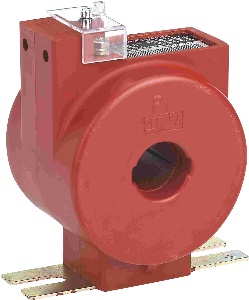
올바른 전류 변압기 코어를 선택하는 방법
선택할 때CT 코어, 고려하다:
- 현재 범위: 코어가 포화 없이 예상 전류를 처리할 수 있는지 확인.
- 주파수 요구 사항: 코어 재료를 작동 주파수와 일치시키십시오..
- 정확도 등급: 보호 애플리케이션에 비해 계량에는 더 높은 정밀도가 필요합니다..
- 환경 조건: 온도, 습기, 기계적 스트레스는 코어 성능에 영향을 미칩니다.
결론
그만큼변류기 코어 현대 전기 시스템의 기본 구성 요소입니다., 효율성에 영향을 미치다, 안전, 성능. 소재와 스마트 기술의 발전으로, CT 코어는 다음 요구 사항을 충족하기 위해 진화하고 있습니다.스마트 그리드, 재생 가능 에너지, 및 IoT 애플리케이션.
유형을 이해함으로써, 재료, 및 동향, 전문가가 최선을 선택할 수 있습니다CT 코어 그들의 필요를 위해, 최적의 시스템 성능 보장.
Additional Considerations for CT Core Performance
Beyond material selection and core structure, the overall performance of a 변류기 코어 is also influenced by factors such as core dimensions, magnetic permeability, saturation characteristics, 및 작동 온도. Proper matching between the core and the intended application can help reduce measurement errors, improve stability, and extend the service life of the current transformer.
For high-accuracy metering, protection systems, renewable energy equipment, and advanced power electronics, manufacturers increasingly focus on balancing 정확성, 낮은 코어 손실, compact size, 비용 효율성. As electrical systems continue to become more intelligent and energy-efficient, the development of advanced CT core materials will remain an important part of modern power measurement and protection technology.