電子部品サプライヤー | トランスフォーマー, インダクタ, インバータ


変流器コアの概要
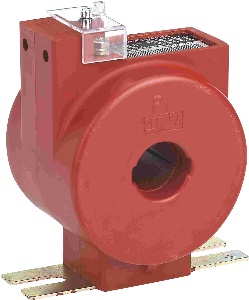
変流器 (CT) コアは電気測定および保護システムの重要なコンポーネントです. 大電流を計測器やリレーの管理可能なレベルまで下げることで、正確な電流測定が可能になります。. スマートグリッドと再生可能エネルギーの統合の台頭により, 効率的で信頼性の高いものへの要求変流器コア 急増した.
このガイドではタイプについて説明します, 材料, アプリケーション, そして最新のトレンドCTコア技術, エンジニアや業界専門家が情報に基づいた意思決定を行えるよう支援.

変流器コアの種類
1. ソリッドコア変流器
ソリッドコア, 通常はケイ素鋼で作られています, 耐久性と費用対効果の高さから広く使用されています. 低周波アプリケーションには最適ですが、大電流下では飽和が発生する可能性があります。.
2. スプリットコア変流器
分割コアにより、一次導体を切断せずに簡単に設置できます。. これらは、改修プロジェクトやエネルギー監視システムで人気があります。, 利便性の向上とダウンタイムの削減.
3. トロイダル (リングタイプ) コア
トロイダルコアは閉ループ設計により優れた磁気効率を提供します. 精密測定装置や高性能アプリケーションでよく使用されます。.
4. ナノ結晶およびアモルファス金属コア
材料科学の進歩により, ナノ結晶およびアモルファスの金属コア 注目を集めています. これらのコアは高い透磁率を提供します, 低いコアロス, 高周波環境における優れた性能, 最新のスマートグリッドや再生可能エネルギーシステムに最適です。.
CTコアに使用される主な材料
のパフォーマンス変流器コア 素材に大きく依存します. 最も一般的な材料には次のものがあります。:
- ケイ素鋼: 費用対効果が高く広く使用されていますが、ヒステリシス損失が高くなります.
- フェライト: 高周波アプリケーションには優れていますが、大電流シナリオでは制限されます.
- アモルファス金属: 低い鉄損と高効率, エネルギーに敏感なアプリケーションに最適.
- ナノ結晶合金: 優れた磁気特性, 精密機器やスマートグリッド技術に最適.
変流器コアの用途
1. エネルギー計測 & スマートグリッド
スマートメーターに欠かせないCTコア, リアルタイムのエネルギー監視とグリッドの最適化を可能にする. 世界的なシフトに伴い、スマートグリッド, 高精度コアの需要は高い.
2. 産業用保護システム
産業環境で, CTコアは機器を過電流や短絡から保護します, 運用の安全性を確保し、ダウンタイムを最小限に抑える.
3. 再生可能エネルギーの統合
太陽光発電と風力発電システムは、変流器コア 効率的な電力変換とグリッド同期のため. 高性能コアにより、これらのアプリケーションでのエネルギー損失を最小限に抑えます.
4. 電気自動車 (EV) 充電ステーション
EVの普及が進むにつれて, CT コアは、充電インフラにおける電力の流れの監視と調整において重要な役割を果たします.
変流器コア技術の最新動向
1. IoT対応CTコア
IoT の統合により、変流器コア 予知保全とエネルギー分析のためのリアルタイム データを送信するため.
2. 高周波コア設計
パワーエレクトロニクスの台頭により, 高周波CTコア (フェライトまたはナノ結晶材料を使用) インバータやコンバータには欠かせないものになりつつあります.
3. 環境に優しい芯材
メーカーは、性能を維持しながら環境への影響を軽減するため、持続可能なコア材料を開発しています。.
適切な変流器コアを選択する方法
を選択するときは、CTコア, 考慮する:
- 電流範囲: コアが飽和することなく予想される電流を処理できることを確認する.
- 周波数要件: コアの材質を動作周波数に合わせる.
- 精度クラス: 計測には保護用途と比較してより高い精度が必要です.
- 環境条件: 温度, 湿度, 機械的ストレスはコア性能に影響を与えます.
結論
の変流器コア 現代の電気システムの基本コンポーネントです, 効率に影響を与える, 安全性, そしてパフォーマンス. 素材とスマートテクノロジーの進歩により, CT コアは、次のような要求を満たすために進化しています。スマートグリッド, 再生可能エネルギー, およびIoTアプリケーション.
種類を理解することで, 材料, そしてトレンド, 専門家が最適なものを選択できますCTコア 彼らのニーズのために, 最適なシステムパフォーマンスを確保する.
Additional Considerations for CT Core Performance
Beyond material selection and core structure, the overall performance of a 変流器コア is also influenced by factors such as core dimensions, magnetic permeability, saturation characteristics, and operating temperature. Proper matching between the core and the intended application can help reduce measurement errors, improve stability, and extend the service life of the current transformer.
For high-accuracy metering, protection systems, renewable energy equipment, and advanced power electronics, manufacturers increasingly focus on balancing 正確さ, 低いコアロス, compact size, とコスト効率. As electrical systems continue to become more intelligent and energy-efficient, the development of advanced CT core materials will remain an important part of modern power measurement and protection technology.