Pembekal Komponen Elektronik | Transformers, Induktor, Penyongsang


Introduction to Current Transformer Cores
Current transformer (CT) teras adalah komponen kritikal dalam pengukuran elektrik dan sistem perlindungan. They enable accurate current measurement by stepping down high currents to manageable levels for instruments and relays. With the rise of smart grids and renewable energy integration, the demand for efficient and reliablecurrent transformer cores has surged.
This guide explores the types, materials, aplikasi, and latest trends inCT core technology, helping engineers and industry professionals make informed decisions.

Types of Current Transformer Cores
1. Solid Core Current Transformers
Solid cores, typically made of silicon steel, are widely used for their durability and cost-effectiveness. They are ideal for low-frequency applications but may suffer from saturation under high currents.
2. Split Core Current Transformers
Split cores allow for easy installation without disconnecting the primary conductor. These are popular in retrofit projects and energy monitoring systems, enhancing convenience and reducing downtime.
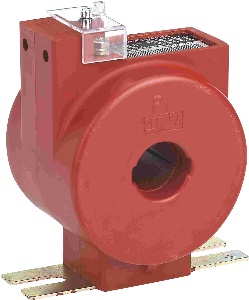
3. Toroidal (Ring-Type) Cores
Toroidal cores offer superior magnetic efficiency due to their closed-loop design. They are commonly used in precision measurement devices and high-performance applications.
4. Nanocrystalline and Amorphous Metal Cores
With advancements in material science, nanocrystalline and amorphous metal cores are gaining traction. These cores provide high permeability, low core loss, and excellent performance in high-frequency environments, making them ideal for modern smart grids and renewable energy systems.
Key Materials Used in CT Cores
The performance of acurrent transformer core largely depends on its material. The most common materials include:
- Silicon Steel: Cost-effective and widely used but has higher hysteresis losses.
- Ferrite: Excellent for high-frequency applications but limited in high-current scenarios.
- Amorphous Metal: Low core loss and high efficiency, perfect for energy-sensitive applications.
- Nanocrystalline Alloys: Superior magnetic properties, ideal for precision instruments and smart grid technologies.
Applications of Current Transformer Cores
1. Pemeteran Tenaga & Grid Pintar
CT cores are essential in smart meters, enabling real-time energy monitoring and grid optimization. With the global shift towardgrid pintar, high-accuracy cores are in high demand.
2. Industrial Protection Systems
In industrial settings, CT cores protect equipment from overcurrent and short circuits, ensuring operational safety and minimizing downtime.
3. Integrasi Tenaga Boleh Diperbaharui
Solar and wind power systems rely oncurrent transformer cores for efficient power conversion and grid synchronization. High-performance cores ensure minimal energy loss in these applications.
4. Electric Vehicle (EV) Charging Stations
As EV adoption grows, CT cores play a crucial role in monitoring and regulating power flow in charging infrastructure.
Latest Trends in Current Transformer Core Technology
1. IoT-Enabled CT Cores
The integration of IoT allowscurrent transformer cores to transmit real-time data for predictive maintenance and energy analytics.
2. High-Frequency Core Designs
With the rise of power electronics, high-frequency CT cores (using ferrite or nanocrystalline materials) are becoming essential in inverters and converters.
3. Eco-Friendly Core Materials
Manufacturers are developing sustainable core materials to reduce environmental impact while maintaining performance.
How to Choose the Right Current Transformer Core
Apabila memilih aTeras CT, pertimbangkan:
- Current Range: Ensure the core can handle the expected current without saturation.
- Frequency Requirements: Match the core material to the operating frequency.
- Kelas Ketepatan: Higher precision is needed for metering compared to protection applications.
- Environmental Conditions: Suhu, kelembapan, and mechanical stress affect core performance.
Kesimpulan
Thecurrent transformer core is a fundamental component in modern electrical systems, influencing efficiency, keselamatan, dan prestasi. With advancements in materials and smart technology, CT cores are evolving to meet the demands ofgrid pintar, tenaga boleh diperbaharui, and IoT applications.
By understanding the types, materials, and trends, professionals can select the bestTeras CT for their needs, ensuring optimal system performance.
Additional Considerations for CT Core Performance
Beyond material selection and core structure, the overall performance of a current transformer core is also influenced by factors such as core dimensions, magnetic permeability, saturation characteristics, and operating temperature. Proper matching between the core and the intended application can help reduce measurement errors, improve stability, and extend the service life of the current transformer.
For high-accuracy metering, protection systems, renewable energy equipment, and advanced power electronics, manufacturers increasingly focus on balancing ketepatan, low core loss, compact size, dan kecekapan kos. As electrical systems continue to become more intelligent and energy-efficient, the development of advanced CT core materials will remain an important part of modern power measurement and protection technology.
JAWATAN BERKAITAN
Aplikasi dan langkah berjaga-jaga BT151 650r thyristor

Transformer terendam minyak: penjaga tenaga elektrik yang stabil dalam bidang pengangkutan

Aplikasi Diod Modul dalam pemacu LED: cahaya yang menerangi dunia

Turun naik harga BT151: analisis yang mendalam tentang faktor-faktor yang mempengaruhi

Pasaran pengubah kuasa global dijangka mencecah USD 33.7 bilion oleh 2028, berkembang pada CAGR sebanyak 6.8% semasa tempoh ramalan.