단결정 태양광 모듈: 고효율 모노실리콘 태양광 패널에 대한 궁극적인 가이드

Meta Description: Explore the superior efficiency, 기술, and benefits of monocrystalline solar modules. Learn why mono silicon solar panels dominate the renewable energy market and how they can maximize your energy savings.

소개: The Rise of Monocrystalline Photovoltaic Technology

In the quest for sustainable energy, solar power has emerged as a frontrunner, and at the heart of this revolution lies high-efficiency solar panel technology. Among the various types of solar panels, monocrystalline solar modules have established themselves as the gold standard for residential, 광고, and utility-scale applications. These panels, crafted from pure mono silicon, are renowned for their exceptional efficiency, sleek appearance, 장기적인 신뢰성. As the global demand for clean energy surges, understanding the advantages of monocrystalline photovoltaic modules becomes crucial for anyone considering a transition to solar. This comprehensive guide delves into the science, benefits, and future trends of these powerful energy solutions, explaining why they are the preferred choice for maximizing energy output and return on investment.

단결정 태양광 모듈

1. What Are Monocrystalline Solar Modules?

Monocrystalline solar modules are solar panels made from single-crystal silicon. The termmonorefers to the single, continuous crystal structure that forms the core of each solar cell. This structure is created through the Czochralski process, where a pure silicon crystal is slowly drawn from molten silicon, resulting in a large, cylindrical ingot. This ingot is then thinly sliced into wafers, which are assembled to create the highly efficientmonocrystalline photovoltaic module.

1.1 The Science Behind Mono Silicon Solar Panels

The superiority ofmono silicon solar panels stems from their pure and uniform crystal structure. Unlike polycrystalline cells with multiple crystals, the single-crystal structure in amonocrystalline solar module allows for easier movement of electrons. This inherent property minimizes resistance and energy loss, directly translating into higher conversion efficiency. 일반적으로, monocrystalline photovoltaic modules achieve efficiency ratings of 20% and above, with premium models reaching up to 24%, making them the most efficient panels widely available on the market today.

1.2 Identifying Monocrystalline Photovoltaic Modules

A key identifying feature of these panels is their uniform dark black color and rounded edges on the cells—a result of the cylindrical ingot shaping process. This not only gives them a sleek, aesthetically pleasing look that many homeowners prefer but also signifies the high-purity silicon used in their manufacturing.

2. Advantages of Mono Silicon Solar Panels

Choosing amonocrystalline solar module comes with a host of benefits that justify their typically higher upfront cost.

2.1 Superior Efficiency and Performance

The most significant advantage of amonocrystalline photovoltaic module is its high efficiency. This means you need fewer panels to generate the same amount of electricity compared to other technologies like polycrystalline or thin-film. This is a critical factor for installations with limited roof space.

2.2 Exceptional Longevity and Durability

Mono silicon solar panels are known for their long lifespan. Most manufacturers offer a 25 to 30-year performance warranty, guaranteeing that the panels will still produce at least 80-85% of their original output after decades of use. Their robust construction makes them highly resistant to environmental stressors like wind, 눈, and hail.

2.3 Better Performance in Low-Light Conditions

Thanks to their high efficiency and superior silicon qualitymonocrystalline solar modules perform better than other types in low-light conditions, such as during cloudy days, early mornings, or late afternoons. This ensures a more consistent and reliable energy harvest throughout the day.

2.4 Space Efficiency and Aesthetic Appeal

Due to their high power output per square footmonocrystalline photovoltaic modules are incredibly space-efficient. Their uniform black appearance is often considered more attractive and less intrusive, blending seamlessly with modern roofing materials.

3. Monocrystalline vs. Polycrystalline: A Clear Choice

While polycrystalline panels (blue-hued, speckled cells) have a lower cost per panel, they are significantly less efficient, typically ranging from 15-17%. This means a larger array is needed to produce the same power output, which may not be feasible for all properties. The higher efficiency and power density of themonocrystalline solar module make it a more cost-effective solution in the long run, especially when considering lifetime energy production and savings.

The technology behindmonocrystalline photovoltaic modules is continually evolving. Two major trends are shaping their future:

4.1 PERC Technology

Passivated Emitter and Rear Cell (PERC) technology has become a standard in modernmono silicon solar panels. By adding a passivation layer to the rear surface of the cell, PERC technology enhances light absorption and reduces electron recombination, boosting the efficiency of amonocrystalline solar module by an additional 1-2%.

4.2 Half-Cut Cells and Bifacial Design

Most modernmonocrystalline photovoltaic modules now feature half-cut cells. By cutting standard cells in half, electrical resistance is reduced, and shade tolerance is improved, leading to higher overall performance and reliability. 뿐만 아니라, bifacialmono silicon solar panels can capture sunlight from both sides, generating additional energy from reflected light on the ground, increasing total yield by up to 30% in ideal conditions.

5. Are Monocrystalline Solar Modules Right for You?

Investing in amonocrystalline solar module system is ideal if:

  • You have limited roof space and want to maximize power generation.
  • You prioritize long-term value and higher efficiency over the lowest initial cost.
  • You desire a sleek, aesthetically pleasing solar array.
  • You live in an area with frequent cloudy weather, where their low-light performance is advantageous.

While the initial investment is higher, the greater energy production over the system’s lifetime ensures a faster payback period and greater savings on electricity bills.

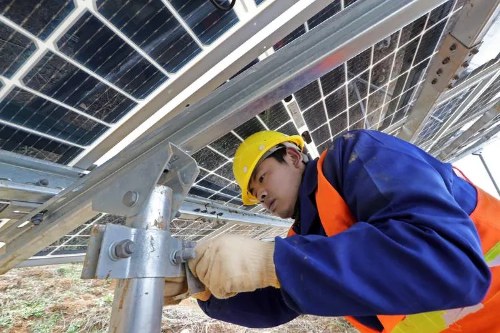
Installation of solar modules

결론: Powering the Future with Mono Silicon

The evidence is clearmonocrystalline solar modules represent the pinnacle of solar technology for most applications. Their unmatched efficiency, proven durability, and evolving innovations like PERC and bifacial design make them a future-proof investment. By choosing high-qualitymono silicon solar panels, you are not only reducing your carbon footprint but also securing a reliable, high-performing energy asset for your home or business for decades to come. As the world moves towards a renewable energy future, 그만큼monocrystalline photovoltaic module stands as the intelligent, powerful, and sustainable choice.

Focus Keywords: monocrystalline solar module, mono silicon solar panels, monocrystalline photovoltaic module.

낙양대당에너지기술유한회사, 주식회사. R을 통합하는 하이테크 기업입니다.&디, 변압기 등 전력기기 제조 및 공급, 새로운 에너지 성분, 배전 캐비닛 및 인버터. 기술혁신을 핵심으로, 우리는 글로벌 고객에게 서비스를 제공하기 위해 높은 신뢰성과 고성능 전력 솔루션을 만드는 데 중점을 두고 있습니다.. 엄격한 품질관리 시스템과 국제표준 인증으로, 앞으로도 우수한 제품을 생산하여 고객이 안전하고 안정적인 전력시스템을 구축할 수 있도록 하겠습니다..
질문이 있으시면, 저희에게 연락하게 자유롭게 느끼십시오!
전화번호: 0086-173 9637 0277
위챗: 0086-173 9637 0277
왓츠앱: 0086-173 9637 0277
이메일: sales@pddn.com
뉴스레터 업데이트

아래에 이메일 주소를 입력하고 뉴스레터를 구독하세요