


Fornitore di componenti elettronici | Trasformatori, Induttori, Invertitori


Meta descrizione: Esplora l'efficienza superiore, tecnologia, e vantaggi dei moduli solari monocristallini. Scopri perché i pannelli solari monosilicio dominano il mercato delle energie rinnovabili e come possono massimizzare il risparmio energetico.
Introduzione: The Rise of Monocrystalline Photovoltaic Technology
In the quest for sustainable energy, solar power has emerged as a frontrunner, and at the heart of this revolution lies high-efficiency solar panel technology. Among the various types of solar panels, monocrystalline solar modules have established themselves as the gold standard for residential, commerciale, e applicazioni su scala industriale. These panels, crafted from pure mono silicon, are renowned for their exceptional efficiency, sleek appearance, and long-term reliability. As the global demand for clean energy surges, understanding the advantages of monocrystalline photovoltaic modules becomes crucial for anyone considering a transition to solar. This comprehensive guide delves into the science, benefici, and future trends of these powerful energy solutions, explaining why they are the preferred choice for maximizing energy output and return on investment.

Moduli solari monocristallini
1. What Are Monocrystalline Solar Modules?
Monocrystalline solar modules are solar panels made from single-crystal silicon. The term “mono” refers to the single, continuous crystal structure that forms the core of each solar cell. This structure is created through the Czochralski process, where a pure silicon crystal is slowly drawn from molten silicon, resulting in a large, cylindrical ingot. This ingot is then thinly sliced into wafers, which are assembled to create the highly efficientmonocrystalline photovoltaic module.
1.1 The Science Behind Mono Silicon Solar Panels
The superiority ofPannelli solari monosilicio stems from their pure and uniform crystal structure. Unlike polycrystalline cells with multiple crystals, the single-crystal structure in amonocrystalline solar module allows for easier movement of electrons. This inherent property minimizes resistance and energy loss, directly translating into higher conversion efficiency. Tipicamente, monocrystalline photovoltaic modules achieve efficiency ratings of 20% and above, with premium models reaching up to 24%, making them the most efficient panels widely available on the market today.
1.2 Identifying Monocrystalline Photovoltaic Modules
A key identifying feature of these panels is their uniform dark black color and rounded edges on the cells—a result of the cylindrical ingot shaping process. This not only gives them a sleek, aesthetically pleasing look that many homeowners prefer but also signifies the high-purity silicon used in their manufacturing.
2. Advantages of Mono Silicon Solar Panels
Choosing amonocrystalline solar module comes with a host of benefits that justify their typically higher upfront cost.
2.1 Superior Efficiency and Performance
The most significant advantage of amonocrystalline photovoltaic module is its high efficiency. This means you need fewer panels to generate the same amount of electricity compared to other technologies like polycrystalline or thin-film. This is a critical factor for installations with limited roof space.
2.2 Exceptional Longevity and Durability
Mono silicon solar panels are known for their long lifespan. La maggior parte dei produttori offre a 25 to 30-year performance warranty, guaranteeing that the panels will still produce at least 80-85% of their original output after decades of use. Their robust construction makes them highly resistant to environmental stressors like wind, nevicare, and hail.
2.3 Better Performance in Low-Light Conditions
Thanks to their high efficiency and superior silicon quality, monocrystalline solar modules perform better than other types in low-light conditions, such as during cloudy days, early mornings, or late afternoons. This ensures a more consistent and reliable energy harvest throughout the day.
2.4 Space Efficiency and Aesthetic Appeal
Due to their high power output per square foot, monocrystalline photovoltaic modules are incredibly space-efficient. Their uniform black appearance is often considered more attractive and less intrusive, blending seamlessly with modern roofing materials.
3. Monocristallino vs. Polycrystalline: A Clear Choice
While polycrystalline panels (blue-hued, speckled cells) have a lower cost per panel, they are significantly less efficient, typically ranging from 15-17%. This means a larger array is needed to produce the same power output, which may not be feasible for all properties. The higher efficiency and power density of themonocrystalline solar module make it a more cost-effective solution in the long run, especially when considering lifetime energy production and savings.
4. Hot Trends and Future Innovations
The technology behindmonocrystalline photovoltaic modules is continually evolving. Two major trends are shaping their future:
4.1 PERC Technology
Emettitore e cella posteriore passivati (PERC) technology has become a standard in modernPannelli solari monosilicio. By adding a passivation layer to the rear surface of the cell, PERC technology enhances light absorption and reduces electron recombination, boosting the efficiency of amonocrystalline solar module by an additional 1-2%.
4.2 Half-Cut Cells and Bifacial Design
Most modernmonocrystalline photovoltaic modules now feature half-cut cells. By cutting standard cells in half, electrical resistance is reduced, and shade tolerance is improved, leading to higher overall performance and reliability. Inoltre, bifacialPannelli solari monosilicio can capture sunlight from both sides, generating additional energy from reflected light on the ground, increasing total yield by up to 30% in ideal conditions.
5. Are Monocrystalline Solar Modules Right for You?
Investire in amonocrystalline solar module system is ideal if:
- You have limited roof space and want to maximize power generation.
- You prioritize long-term value and higher efficiency over the lowest initial cost.
- You desire a sleek, aesthetically pleasing solar array.
- You live in an area with frequent cloudy weather, where their low-light performance is advantageous.
While the initial investment is higher, the greater energy production over the system’s lifetime ensures a faster payback period and greater savings on electricity bills.
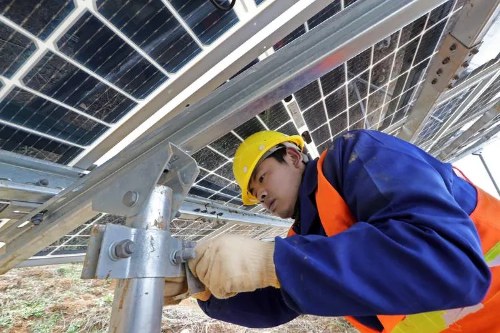
Installation of solar modules
Conclusione: Powering the Future with Mono Silicon
The evidence is clear: monocrystalline solar modules represent the pinnacle of solar technology for most applications. Their unmatched efficiency, proven durability, and evolving innovations like PERC and bifacial design make them a future-proof investment. By choosing high-qualityPannelli solari monosilicio, you are not only reducing your carbon footprint but also securing a reliable, high-performing energy asset for your home or business for decades to come. As the world moves towards a renewable energy future, ILmonocrystalline photovoltaic module stands as the intelligent, powerful, and sustainable choice.
Focus Keywords: monocrystalline solar module, Pannelli solari monosilicio, monocrystalline photovoltaic module.
Luoyang Datang Energy Technology Co., Ltd. è un'impresa high-tech che integra R&D, produzione e fornitura di apparecchiature elettriche come trasformatori, nuove componenti energetiche, armadi di distribuzione e inverter. Con l’innovazione tecnologica al centro, ci concentriamo sulla creazione di soluzioni energetiche ad alta affidabilità e ad alte prestazioni per servire clienti globali. Con un rigoroso sistema di controllo qualità e certificazione standard internazionale, continuiamo a produrre prodotti eccellenti e consentiamo ai clienti di costruire sistemi di alimentazione sicuri e stabili.
Se hai qualche domanda, non esitate a contattarci!
tel.: 0086-173 9637 0277
WeChat: 0086-173 9637 0277
Whatsapp: 0086-173 9637 0277
E-mail: vendite@pddn.com
POST CORRELATI

BT169D: Leader nell’efficienza energetica nel campo del controllo dell’energia
Come si sceglie il modulo diodo a tiristori adatto??
Perché i trasformatori intelligenti stanno diventando l’infrastruttura centrale della futura rete elettrica
Analisi approfondita dei trasformatori a secco in resina epossidica: processo di produzione, indicatori di prestazione, e applicazioni del mercato internazionale
Calcolo del controllo di fase del tiristore: la fonte della saggezza nell'elettronica di potenza
