전자 부품 공급업체 | 트랜스포머, 인덕터, 인버터


전 세계 에너지 환경은 엄청난 변화를 겪고 있습니다.. 기후 변화와 기술 발전에 힘입어, 가변 재생 에너지 (VRE) 태양광, 풍력과 같은 에너지원이 전례 없는 속도로 배치되고 있습니다.. 하지만, this surge presents a monumental challenge: how do we maintain a stable, reliable power grid when our primary energy sources are inherently intermittent? The answer lies in the sophisticated and critical field of 재생에너지 그리드 통합. Successfully managing the integration of renewable energy sources is not merely a technical hurdle; it is the defining task of our energy future, determining the pace of decarbonization and the resilience of our power systems. This deep dive explores the complexities of the grid integration of renewable energy sources and the innovative solutions paving the way for a clean energy future.
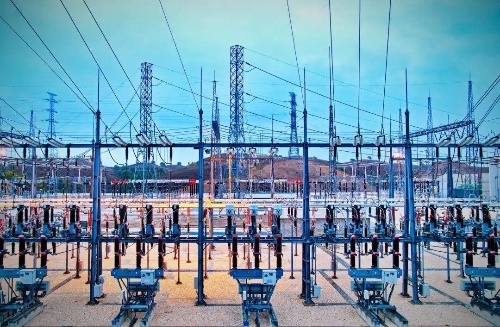
Renewable energy grid connection
1. Understanding the Core Challenge: The Nature of Variable Renewable Energy
To grasp thegrid integration of renewable energy sources, one must first understand what makes them unique and challenging.
1.1 What is Variable Renewable Energy (VRE)?
Variable renewable energy refers to power sources that are non-dispatchable and fluctuate based on external, uncontrollable factors. The two primary examples are:
- Solar Photovoltaic (PV) 힘: Generation is entirely dependent on the time of day, season, and weather conditions (cloud cover). Output is zero at night and peaks around solar noon.
- Wind Power: Generation is dependent on wind speed, which can change rapidly and unpredictably. Turbines have a cut-in speed (below which they don’t operate) and a cut-out speed (above which they shut down for safety).
This variability and partial unpredictability stand in stark contrast to the “always-on” nature of traditional baseload power plants (예를 들어, 석탄, nuclear, 가스).
1.2 The Dual Challenge: Variability and Uncertainty
그만큼integration of renewable energy sources introduces two distinct challenges for grid operators:
- Variability: The predictable, diurnal (daily) and seasonal patterns of generation. 예를 들어, we know solar output will drop every evening, creating the infamous “duck curve”—a rapid ramp-up demand for other power sources as the sun sets.
- Uncertainty: The imperfect forecasts of cloud cover or wind speeds. While forecasting has improved dramatically, unexpected drops or surges in VRE generation can cause frequency deviations and voltage instability if not managed properly.
2. Pillars of Successful Renewable Energy Grid Integration
Achieving a high penetration of VRE requires a multi-faceted approach. 그만큼재생에너지 그리드 통합 strategy rests on several key pillars.
2.1 Grid Modernization and Advanced Technologies
A 21st-century grid cannot run on 20th-century infrastructure. Modernization is the bedrock of integration.
2.1.1 Forecasting and Visibility
Advanced meteorological data and AI-powered forecasting models are critical. Accurate predictions of VRE output allow grid operators to schedule other resources efficiently, reducing the need for costly spinning reserves.
2.1.2 유연성: The Key to Balance
The grid must become vastly more flexible to absorb shocks and smooth out variability. Key technologies include:
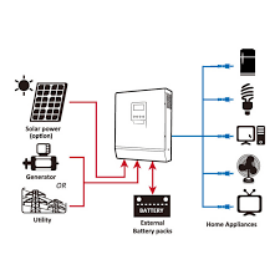
- 에너지 저장 시스템 (ESS): Batteries (예를 들어, grid-scale lithium-ion) are the game-changer. They can absorb excess VRE generation during periods of high production and discharge it during periods of low production, effectively “firming” the renewable supply.
- Demand-Side Response (DSR): This involves incentivizing consumers to shift their flexible electricity demand (예를 들어, EV charging, industrial processes) to times when VRE generation is high.
- Grid-Enhancing Technologies (GETs): Dynamic line rating (DLR) and advanced power flow controls allow existing transmission infrastructure to be used more efficiently, relieving congestion and enabling more VRE to reach demand centers.
2.2 Market and Regulatory Reform
Technical solutions must be supported by economic and regulatory structures that value flexibility.
2.2.1 Evolving Electricity Markets
Wholesale markets need to evolve to compensate resources not just for energy provided, but for the capacity and grid services (like frequency regulation and inertia) they provide. This creates a revenue stream for batteries and demand-response providers.
2.2.2 Planning and Connection Reforms
Streamlining the process for connecting new VRE projects to the grid and undertaking long-term, holistic transmission planning are essential to avoid bottlenecks that delay theintegration of renewable energy sources.
2.3 Sector Coupling and Diversification
미래의재생에너지 그리드 통합 extends far beyond the electricity sector itself.
- Electrification of Transport and Heat: Using excess renewable electricity to power electric vehicles (EV) and heat pumps (via green hydrogen or direct electrification) creates massive new, flexible demand that can soak up VRE generation.
- Green Hydrogen: Electrolyzers can use surplus solar and wind power to produce hydrogen, which can be stored long-term and used for clean fuel in industry, shipping, or to power turbines during extended periods of low VRE generation.
3. Hot Topics and Cutting-Edge Innovations
The field ofgrid integration of renewable energy sources is dynamic, with several hot topics dominating discussions.
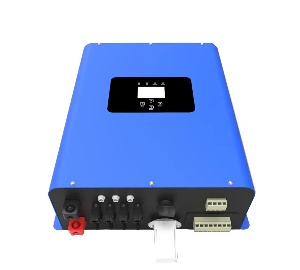
- The Inverter-Based Grid: As VRE and batteries (which use inverters to connect to the grid) replace synchronous generators (which provide natural grid stability), the grid is losing inertia. New grid-forming inverter technology is being developed to replicate this stability function artificially.
- Artificial Intelligence and Digital Twins: AI is revolutionizing VRE forecasting, grid optimization, and predictive maintenance. Utilities are building “digital twins” of the grid—virtual models that simulate scenarios and optimize the operation of millions of assets in real-time.
- Distributed Energy Resources (DER) Management: The future grid is not just about large wind and solar farms. It’s about managing millions of rooftop solar panels, home batteries, and EVs. Advanced software platforms (가상 발전소 – VPP) are needed to aggregate and control these resources as a single, flexible grid asset.
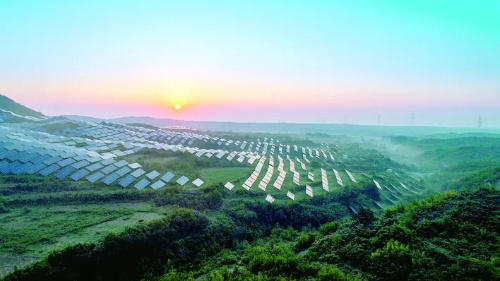
Renewables — 태양광 발전
4. The Path Forward: Building a Resilient, Renewable-Powered Grid
그만큼integration of renewable energy sources is a complex but solvable puzzle. It requires a coordinated effort from policymakers, regulators, technology providers, and utilities. The transition is not without its costs and challenges, but the benefits—a decarbonized, 안전한, and affordable energy system—are unparalleled.
Investment in grid flexibility, modernized markets, and innovative technologies is no longer optional; it is a prerequisite for a sustainable future. By mastering the재생에너지 그리드 통합, we can finally harness the full potential of the wind and sun to power our world reliably.
Luoyang Datang Energy Technology Co.,주식회사. R을 통합하는 하이테크 기업입니다.&디, 변압기 등 전력기기 제조 및 공급, 새로운 에너지 성분, 배전 캐비닛 및 인버터. 기술혁신을 핵심으로, 우리는 글로벌 고객에게 서비스를 제공하기 위해 높은 신뢰성과 고성능 전력 솔루션을 만드는 데 중점을 두고 있습니다.. 엄격한 품질관리 시스템과 국제표준 인증으로, 앞으로도 우수한 제품을 생산하여 고객이 안전하고 안정적인 전력시스템을 구축할 수 있도록 하겠습니다..
질문이 있으시면, 저희에게 연락하게 자유롭게 느끼십시오!
전화번호: 0086-173 9637 0277
위챗: 0086-173 9637 0277
왓츠앱: 0086-173 9637 0277
이메일: sales@pddn.com