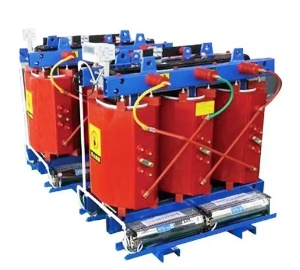
Fornitore di componenti elettronici | Trasformatori, Induttori, Invertitori


Il panorama energetico globale sta attraversando un cambiamento epocale. Spinto dagli imperativi climatici e dai progressi tecnologici, energia rinnovabile variabile (VRE) fonti come quella solare ed eolica vengono utilizzate a un ritmo senza precedenti. Tuttavia, this surge presents a monumental challenge: how do we maintain a stable, reliable power grid when our primary energy sources are inherently intermittent? The answer lies in the sophisticated and critical field of integrazione della rete di energia rinnovabile. Successfully managing the integrazione delle fonti energetiche rinnovabili is not merely a technical hurdle; it is the defining task of our energy future, determining the pace of decarbonization and the resilience of our power systems. This deep dive explores the complexities of the grid integration of renewable energy sources and the innovative solutions paving the way for a clean energy future.
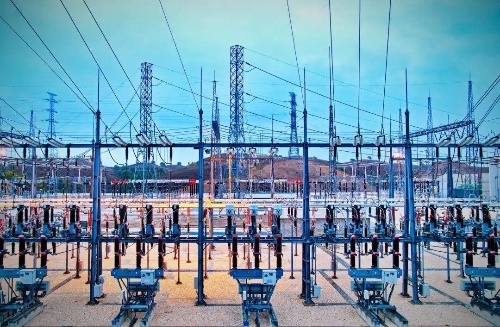
Renewable energy grid connection
1. Understanding the Core Challenge: The Nature of Variable Renewable Energy
To grasp thegrid integration of renewable energy sources, one must first understand what makes them unique and challenging.
1.1 What is Variable Renewable Energy (VRE)?
Variable renewable energy refers to power sources that are non-dispatchable and fluctuate based on external, uncontrollable factors. The two primary examples are:
- Solare Fotovoltaico (PV) Energia: Generation is entirely dependent on the time of day, season, and weather conditions (cloud cover). Output is zero at night and peaks around solar noon.
- Wind Power: Generation is dependent on wind speed, which can change rapidly and unpredictably. Turbines have a cut-in speed (below which they don’t operate) and a cut-out speed (above which they shut down for safety).
This variability and partial unpredictability stand in stark contrast to the “always-on” nature of traditional baseload power plants (per esempio., carbone, nuclear, gas).
1.2 The Dual Challenge: Variability and Uncertainty
ILintegrazione delle fonti energetiche rinnovabili introduces two distinct challenges for grid operators:
- Variability: The predictable, diurnal (daily) and seasonal patterns of generation. Per esempio, we know solar output will drop every evening, creating the infamous “duck curve”—a rapid ramp-up demand for other power sources as the sun sets.
- Uncertainty: The imperfect forecasts of cloud cover or wind speeds. While forecasting has improved dramatically, unexpected drops or surges in VRE generation can cause frequency deviations and voltage instability if not managed properly.
2. Pillars of Successful Renewable Energy Grid Integration
Achieving a high penetration of VRE requires a multi-faceted approach. ILintegrazione della rete di energia rinnovabile strategy rests on several key pillars.
2.1 Grid Modernization and Advanced Technologies
A 21st-century grid cannot run on 20th-century infrastructure. Modernization is the bedrock of integration.
2.1.1 Forecasting and Visibility
Advanced meteorological data and AI-powered forecasting models are critical. Accurate predictions of VRE output allow grid operators to schedule other resources efficiently, reducing the need for costly spinning reserves.
2.1.2 Flessibilità: The Key to Balance
The grid must become vastly more flexible to absorb shocks and smooth out variability. Key technologies include:
- Sistemi di accumulo dell'energia (ESS): Batteries (per esempio., grid-scale lithium-ion) are the game-changer. They can absorb excess VRE generation during periods of high production and discharge it during periods of low production, effectively “firming” the renewable supply.
- Demand-Side Response (DSR): This involves incentivizing consumers to shift their flexible electricity demand (per esempio., EV charging, industrial processes) to times when VRE generation is high.
- Grid-Enhancing Technologies (GETs): Dynamic line rating (DLR) and advanced power flow controls allow existing transmission infrastructure to be used more efficiently, relieving congestion and enabling more VRE to reach demand centers.
2.2 Market and Regulatory Reform
Technical solutions must be supported by economic and regulatory structures that value flexibility.
2.2.1 Evolving Electricity Markets
Wholesale markets need to evolve to compensate resources not just for energy provided, but for the capacity and grid services (like frequency regulation and inertia) they provide. This creates a revenue stream for batteries and demand-response providers.
2.2.2 Planning and Connection Reforms
Streamlining the process for connecting new VRE projects to the grid and undertaking long-term, holistic transmission planning are essential to avoid bottlenecks that delay theintegrazione delle fonti energetiche rinnovabili.
2.3 Sector Coupling and Diversification
Il futuro diintegrazione della rete di energia rinnovabile extends far beyond the electricity sector itself.
- Electrification of Transport and Heat: Using excess renewable electricity to power electric vehicles (Veicoli elettrici) and heat pumps (via green hydrogen or direct electrification) creates massive new, flexible demand that can soak up VRE generation.
- Green Hydrogen: Electrolyzers can use surplus solar and wind power to produce hydrogen, which can be stored long-term and used for clean fuel in industry, shipping, or to power turbines during extended periods of low VRE generation.
3. Hot Topics and Cutting-Edge Innovations
The field ofgrid integration of renewable energy sources is dynamic, with several hot topics dominating discussions.
- The Inverter-Based Grid: As VRE and batteries (which use inverters to connect to the grid) replace synchronous generators (which provide natural grid stability), the grid is losing inertia. New grid-forming inverter technology is being developed to replicate this stability function artificially.
- Artificial Intelligence and Digital Twins: AI is revolutionizing VRE forecasting, grid optimization, and predictive maintenance. Utilities are building “digital twins” of the grid—virtual models that simulate scenarios and optimize the operation of millions of assets in real-time.
- Distributed Energy Resources (DER) Management: The future grid is not just about large wind and solar farms. It’s about managing millions of rooftop solar panels, home batteries, and EVs. Advanced software platforms (Centrali elettriche virtuali – VPP) are needed to aggregate and control these resources as a single, flexible grid asset.
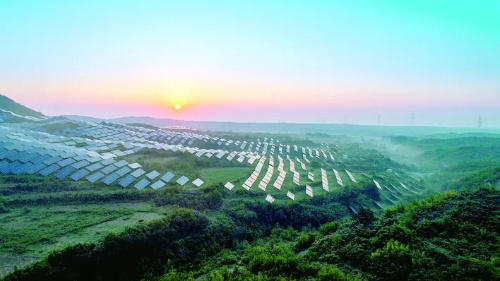
Renewables — energia solare
4. The Path Forward: Building a Resilient, Renewable-Powered Grid
ILintegrazione delle fonti energetiche rinnovabili is a complex but solvable puzzle. It requires a coordinated effort from policymakers, regulators, technology providers, e utilità. The transition is not without its costs and challenges, but the benefits—a decarbonized, secure, and affordable energy system—are unparalleled.
Investment in grid flexibility, modernized markets, and innovative technologies is no longer optional; it is a prerequisite for a sustainable future. By mastering theintegrazione della rete di energia rinnovabile, we can finally harness the full potential of the wind and sun to power our world reliably.
Luoyang Datang Tecnologia energetica Co.,Ltd. è un'impresa high-tech che integra R&D, produzione e fornitura di apparecchiature elettriche come trasformatori, nuove componenti energetiche, armadi di distribuzione e inverter. Con l’innovazione tecnologica al centro, ci concentriamo sulla creazione di soluzioni energetiche ad alta affidabilità e ad alte prestazioni per servire clienti globali. Con un rigoroso sistema di controllo qualità e certificazione standard internazionale, continuiamo a produrre prodotti eccellenti e consentiamo ai clienti di costruire sistemi di alimentazione sicuri e stabili.
Se hai qualche domanda, non esitate a contattarci!
tel.: 0086-173 9637 0277
WeChat: 0086-173 9637 0277
Whatsapp: 0086-173 9637 0277
E-mail: vendite@pddn.com
POST CORRELATI

Come innovano i moduli a tiristori?
Sottostazione e trasformatore: La spina dorsale dei moderni sistemi energetici
Trasformatore montato su palo: L’eroe non celebrato della moderna distribuzione dell’energia
Invertitore solare collegato alla rete

Qual è il potenziale di un pannello solare inverter?