전자 부품 공급업체 | 트랜스포머, 인덕터, 인버터


Transformers are the silent, unseen giants of our electrical grid. They work constantly to make modern life possible. 하지만, not all transformers are the same. Understanding the different types of transformer is key to understanding how electricity travels from power plants to our homes. This guide will explain the two most fundamental categories: Power Transformers and Distribution Transformers. We will explore their unique roles, differences, and why choosing the right one matters.
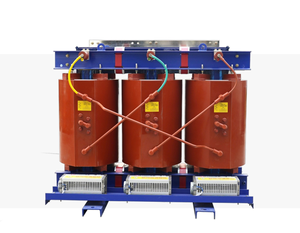
전력 변압기
1. 전력 변압기 란 무엇입니까??
Think of a Power Transformer as thelong-haul trucker of the electrical world. Its main job is to transport huge amounts of electricity over very long distances. You will find them at generating stations and major transmission substations. They handle the highest voltage levels in the power system.
1.1 Key Characteristics and Operation
첫 번째, Power Transformer are designed for maximum efficiency at high loads. They typically operate close to their full capacity. 두번째, they deal with extremely high voltages, often ranging from 138 kV 에 765 kV or even higher. 이 때문에, they generate significant heat. 그러므로, they are almost always oil-immersed transformer, using oil for both cooling and insulation.
1.2 Primary Applications
- Generating Stations: They step up the voltage produced by the generator. This reduces energy loss during transmission.
- Transmission Substations: They transfer power between different high-voltage transmission lines, often stepping the voltage down to a lower transmission level.
2. 배전 변압기 란 무엇입니까??
If a Power Transformer is the long-haul trucker, the Distribution Transformer is thelocal delivery van. It performs the final step in the power delivery chain. Its role is to take the lower transmission voltage and reduce it to the level used by homes and businesses, 좋다 240/120 볼트.
2.1 Key Characteristics and Operation
Distribution Transformer are optimized for efficiency at lower, fluctuating loads. They do not always run at full capacity. They operate at much lower voltages, typically under 33 kV. You can find them on utility poles (기둥 장착형), on concrete pads (패드 장착형), or in building basements.
2.2 Primary Applications
- Residential Areas: Providing power to neighborhoods.
- Commercial Centers: Supplying electricity to malls, 부엌, 그리고 병원.
- 산업플랜트: Powering machinery at safe, 사용 가능한 전압.
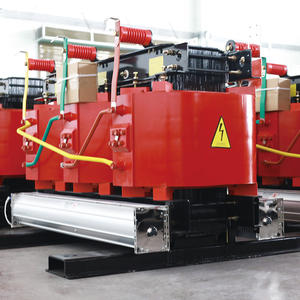
Types of Transformer
3. 전력 변압기 대. 배전 변압기: A Clear Comparison
Knowing the difference is crucial for anyone in the electrical or construction industry.
3.1 Function and Location in the Grid
- 전력 변압기: 다음에서 사용됨 transmission networks. Handles high-voltage transfer between stations.
- 배전 변압기: 다음에서 사용됨 분포 networks. Handles the final voltage transformation for end-users.
3.2 Size and Efficiency
- 전력 변압기: Very large and heavy. Designed for high efficiency at 100% 짐.
- 배전 변압기: Smaller and more compact. Designed for high efficiency at 50-70% 짐, matching typical usage patterns.
3.3 Voltage Level and Cost
- 전력 변압기: Manages voltages above 33 kV. It is a major capital investment.
- 배전 변압기: Manages voltages below 33 kV. It is more affordable and widely deployed.
요약하면, both Power and Distribution Transformer are vital links in the electricity supply chain. They perform distinct but complementary jobs. The Power Transformer manages the bulk, high-voltage journey. The Distribution Transformer handles the final, local delivery. Choosing the correct type ensures a reliable, 효율적인, and safe electrical system.
낙양대당에너지기술유한회사, 주식회사. R을 통합하는 하이테크 기업입니다.&디, 변압기 등 전력기기 제조 및 공급, 새로운 에너지 성분, 배전 캐비닛 및 인버터. 기술혁신을 핵심으로, 우리는 글로벌 고객에게 서비스를 제공하기 위해 높은 신뢰성과 고성능 전력 솔루션을 만드는 데 중점을 두고 있습니다.. 엄격한 품질관리 시스템과 국제표준 인증으로, 앞으로도 우수한 제품을 생산하여 고객이 안전하고 안정적인 전력시스템을 구축할 수 있도록 하겠습니다..