電子部品サプライヤー | トランスフォーマー, インダクタ, インバータ


Transformers are the silent, unseen giants of our electrical grid. They work constantly to make modern life possible. しかし, not all transformers are the same. Understanding the different types of transformer is key to understanding how electricity travels from power plants to our homes. This guide will explain the two most fundamental categories: Power Transformers and Distribution Transformers. We will explore their unique roles, differences, and why choosing the right one matters.
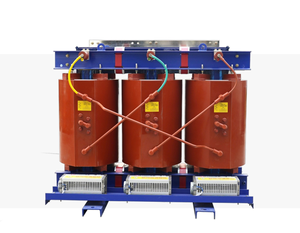
電源トランス
1. 電源トランスとは?
Think of a Power Transformer as thelong-haul trucker of the electrical world. Its main job is to transport huge amounts of electricity over very long distances. You will find them at generating stations and major transmission substations. They handle the highest voltage levels in the power system.
1.1 Key Characteristics and Operation
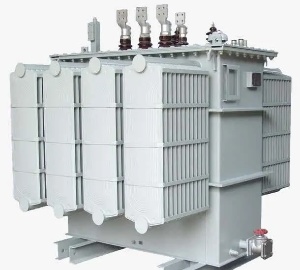
初め, Power Transformer are designed for maximum efficiency at high loads. They typically operate close to their full capacity. 2番, they deal with extremely high voltages, often ranging from 138 kVから 765 kV or even higher. このため, they generate significant heat. したがって, they are almost always 油入変圧器, using oil for both cooling and insulation.
1.2 Primary Applications
- Generating Stations: They step up the voltage produced by the generator. This reduces energy loss during transmission.
- Transmission Substations: They transfer power between different high-voltage transmission lines, often stepping the voltage down to a lower transmission level.
2. 配電変圧器とは?
If a Power Transformer is the long-haul trucker, the Distribution Transformer is thelocal delivery van. It performs the final step in the power delivery chain. Its role is to take the lower transmission voltage and reduce it to the level used by homes and businesses, のように 240/120 ボルト.
2.1 Key Characteristics and Operation
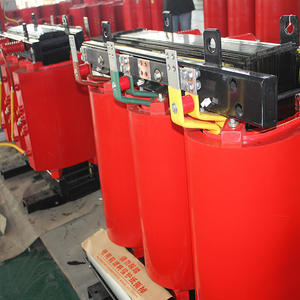
Distribution Transformer are optimized for efficiency at lower, fluctuating loads. They do not always run at full capacity. They operate at much lower voltages, typically under 33 kV. You can find them on utility poles (ポールマウント), on concrete pads (パッド取り付け型), or in building basements.
2.2 Primary Applications
- Residential Areas: Providing power to neighborhoods.
- Commercial Centers: Supplying electricity to malls, オフィス, そして病院.
- 産業プラント: Powering machinery at safe, usable voltages.
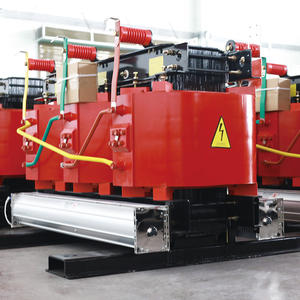
Types of Transformer
3. 電源トランス vs. 配電変圧器: A Clear Comparison
Knowing the difference is crucial for anyone in the electrical or construction industry.
3.1 Function and Location in the Grid
- 電源トランス: Used in 伝染 ; 感染 ネットワーク. Handles high-voltage transfer between stations.
- 配電変圧器: Used in 分布 ネットワーク. Handles the final voltage transformation for end-users.
3.2 Size and Efficiency
- 電源トランス: Very large and heavy. Designed for high efficiency at 100% 負荷.
- 配電変圧器: Smaller and more compact. Designed for high efficiency at 50-70% 負荷, matching typical usage patterns.
3.3 Voltage Level and Cost
- 電源トランス: Manages voltages above 33 kV. It is a major capital investment.
- 配電変圧器: Manages voltages below 33 kV. It is more affordable and widely deployed.
要約すれば, both Power and Distribution Transformer are vital links in the electricity supply chain. They perform distinct but complementary jobs. The Power Transformer manages the bulk, high-voltage journey. The Distribution Transformer handles the final, local delivery. Choosing the correct type ensures a reliable, 効率的, and safe electrical system.
洛陽大唐能源科技有限公司, 株式会社. Rを統合したハイテク企業です&D, 変圧器などの電力機器の製造・供給, 新しいエネルギー成分, 配電盤とインバータ. 技術革新を核に, 私たちは、世界中の顧客にサービスを提供するために、高信頼性と高性能の電源ソリューションの開発に注力しています。. 厳格な品質管理システムと国際規格認証を取得しています。, これからも優れた製品を世に送り出し、お客様の安全・安定した電力システムの構築をお手伝いします.