Fornecedor de componentes eletrônicos | Transformadores, Indutores, Inversores


Transformers are the silent, unseen giants of our electrical grid. They work constantly to make modern life possible. No entanto, not all transformers are the same. Understanding the different types of transformer is key to understanding how electricity travels from power plants to our homes. This guide will explain the two most fundamental categories: Power Transformers and Distribution Transformers. We will explore their unique roles, differences, and why choosing the right one matters.
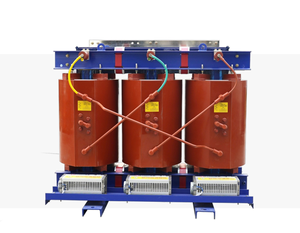
Transformador de potência
1. O que é um transformador de potência?
Think of a Power Transformer as thelong-haul trucker of the electrical world. Its main job is to transport huge amounts of electricity over very long distances. You will find them at generating stations and major transmission substations. They handle the highest voltage levels in the power system.
1.1 Key Characteristics and Operation
Primeiro, Power Transformer are designed for maximum efficiency at high loads. They typically operate close to their full capacity. Segundo, they deal with extremely high voltages, often ranging from 138 kV para 765 kV or even higher. Devido a esta, they generate significant heat. Portanto, they are almost always transformador imerso em óleo, using oil for both cooling and insulation.
1.2 Primary Applications
- Generating Stations: They step up the voltage produced by the generator. This reduces energy loss during transmission.
- Subestações de Transmissão: They transfer power between different high-voltage transmission lines, often stepping the voltage down to a lower transmission level.
2. O que é um transformador de distribuição?
If a Power Transformer is the long-haul trucker, the Distribution Transformer is thelocal delivery van. It performs the final step in the power delivery chain. Its role is to take the lower transmission voltage and reduce it to the level used by homes and businesses, como 240/120 volts.
2.1 Key Characteristics and Operation
Distribution Transformer are optimized for efficiency at lower, fluctuating loads. They do not always run at full capacity. They operate at much lower voltages, typically under 33 kV. You can find them on utility poles (montado em poste), on concrete pads (montado em almofada), or in building basements.
2.2 Primary Applications
- Áreas Residenciais: Providing power to neighborhoods.
- Commercial Centers: Supplying electricity to malls, escritórios, e hospitais.
- Plantas Industriais: Powering machinery at safe, usable voltages.
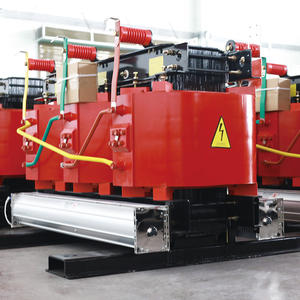
Types of Transformer
3. Transformador de potência vs.. Transformador de distribuição: A Clear Comparison
Knowing the difference is crucial for anyone in the electrical or construction industry.
3.1 Function and Location in the Grid
- Transformador de potência: Used in transmissão redes. Handles high-voltage transfer between stations.
- Transformador de distribuição: Used in distribuição redes. Handles the final voltage transformation for end-users.
3.2 Size and Efficiency
- Transformador de potência: Very large and heavy. Designed for high efficiency at 100% carregar.
- Transformador de distribuição: Smaller and more compact. Designed for high efficiency at 50-70% carregar, matching typical usage patterns.
3.3 Voltage Level and Cost
- Transformador de potência: Manages voltages above 33 kV. It is a major capital investment.
- Transformador de distribuição: Manages voltages below 33 kV. It is more affordable and widely deployed.
Resumindo, both Power and Distribution Transformer are vital links in the electricity supply chain. They perform distinct but complementary jobs. The Power Transformer manages the bulk, high-voltage journey. The Distribution Transformer handles the final, local delivery. Choosing the correct type ensures a reliable, eficiente, and safe electrical system.
Luoyang Datang Tecnologia de Energia Co., Ltda. é uma empresa de alta tecnologia que integra R&D, fabricação e fornecimento de equipamentos de energia, como transformadores, novos componentes de energia, armários de distribuição e inversores. Com a inovação tecnológica como núcleo, nos concentramos na criação de soluções de energia de alta confiabilidade e alto desempenho para atender clientes globais. Com um rigoroso sistema de controle de qualidade e certificação de padrão internacional, continuamos a produzir produtos excelentes e a permitir que os clientes construam sistemas de energia seguros e estáveis.
POSTS RELACIONADOS
Desconecte com confiança: Seu guia definitivo para inversores solares fora da rede

A diferença entre painéis solares com microinversores integrados e painéis solares comuns

Além dos limites da transmissão elétrica: a ascensão e aplicação do Módulo de Chave Tiristor

Análise Técnica de 1000 Transformadores de potência a óleo kVA: Projeto, Aplicativos, e considerações de desempenho

Atualização Inteligente do Sistema de Energia: O cabo do transformador de corrente auxilia na medição e monitoramento precisos