Leverancier van elektronische componenten | Transformatoren, Inductoren, Omvormers


A Buchholz relay is one of the most important protection devices installed on oil immersed transformers. Although it is a relatively small component, it plays a critical role in detecting internal transformer faults before they develop into serious failures.
When a Buchholz relay trips, it indicates that abnormal conditions have occurred inside the transformer, such as gas generation, oil movement, or internal mechanical damage. Echter, a trip signal does not always mean that the transformer has suffered catastrophic damage. In some cases, the cause may be a minor issue such as air entering the transformer system or incorrect installation.
Understanding why a Buchholz relay trips, how to troubleshoot the problem, and how to maintain the relay correctly is essential for transformer operators, maintenance engineers, and power utilities.
This article explains the common causes of Buchholz relay alarms and trips, inspection methods, and preventive maintenance practices.
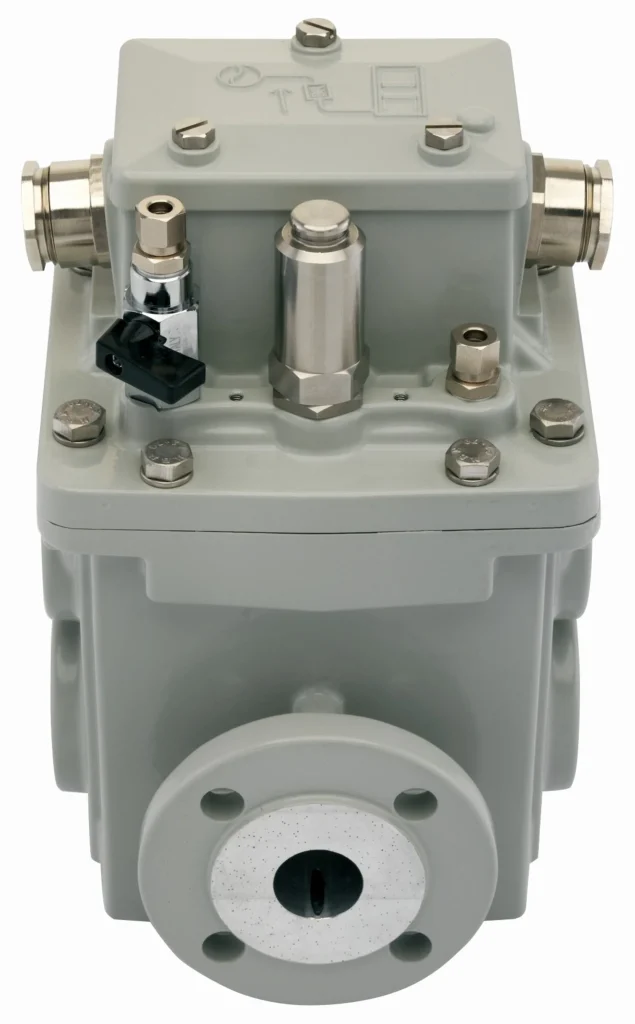
What Is a Buchholz Relay and Why Is It Important?
A Buchholz relay is a gas and oil operated protection device installed between the main transformer tank and the conservator tank of an oil immersed transformer.
It is mainly used to detect internal faults that occur inside the transformer, inbegrepen:
- Isolatie kapot
- Wikkelingsfouten
- Oververhitting van de kern
- Ontleding van olie
- Internal short circuits
The relay operates based on changes in transformer oil flow and gas accumulation.
When a minor fault occurs, gases generated inside the transformer rise and collect inside the relay chamber. The upper float moves and activates an alarm signal.
If a serious fault causes rapid oil movement between the transformer tank and conservator, the lower float operates and sends a trip signal to disconnect the transformer from the power system.
How Does a Buchholz Relay Work?
A typical double float Buchholz relay has two protection functions:
1. Buchholz Relay Alarm
The alarm function responds to slow gas accumulation.
Veelvoorkomende oorzaken zijn onder meer:
- Small insulation deterioration
- Local overheating
- Minor internal discharge
- Air entering the transformer
The alarm allows maintenance teams to investigate the transformer condition before a major failure occurs.
2. Buchholz Relay Trip
The trip function operates when there is a sudden movement of transformer oil.
This usually indicates a serious internal fault, zoals:
- Winding short circuit
- Interne boogvorming
- Major insulation failure
- Sudden pressure change
A trip signal immediately disconnects the transformer to prevent further damage.
Common Causes of Buchholz Relay Trips
A Buchholz relay trip should always be investigated carefully. The following are the most common causes.
1. Internal Transformer Faults
The most serious reason for a Buchholz relay trip is an internal transformer fault.
During an internal electrical fault, the energy released can break down transformer oil and insulation materials. This process generates gas and creates rapid oil movement.
Typical internal faults include:
Winding Short Circuit
A short circuit between turns of transformer windings can create:
- Hoge temperatuur
- Gasproductie
- Internal pressure
- Oil movement
If the fault energy is high enough, the Buchholz relay may activate the trip contact.
Core Faults
Abnormal current flow through the transformer core can cause overheating.
Long-term overheating may produce gas inside the transformer oil and trigger the relay alarm.
Insulation Failure
Transformer insulation gradually ages due to:
- Thermal stress
- Vocht
- Elektrische spanning
- Verslechtering van de olie
When insulation breaks down, gases are produced and detected by the Buchholz relay.
2. Gas Accumulation Inside the Transformer
Not every gas indication means a serious fault.
Gas can sometimes accumulate because of:
- Aging transformer oil
- Normal insulation deterioration
- Air trapped during oil filling
- Poor vacuum treatment during installation
In these situations, the relay may send an alarm without causing a transformer trip.
Engineers should collect and analyze the gas inside the relay.
Dissolved Gas Analysis (DGA) can help identify whether the gas is caused by:
- Thermal faults
- Electrical faults
- Normal aging
3. Transformer Oil Leakage
Oil leakage can affect the normal operation of a Buchholz relay.
Possible leakage points include:
- Relay flange connections
- Conservator tank connections
- Pakkingen
- Pipeline joints
When the transformer oil level decreases, air may enter the system and create abnormal relay operation.
Regular inspection of oil level and sealing conditions is therefore important.
4. Improper Installation
Incorrect installation is another possible cause of false Buchholz relay operation.
Common installation problems include:
- Incorrect relay orientation
- Incorrect pipeline slope
- Air bubbles trapped inside the relay
- Loose electrical connections
- Incorrect float adjustment
During installation, the relay must be mounted according to manufacturer requirements.
The arrow marking on the relay body must normally point toward the conservator tank.
5. External Mechanical Vibration
Strong vibration near the transformer may sometimes affect relay operation.
Possible sources include:
- Nearby heavy machinery
- Poor transformer foundation
- Transportation damage
- Loose mechanical connections
Although uncommon, mechanical vibration should be considered when investigating unexplained alarms.
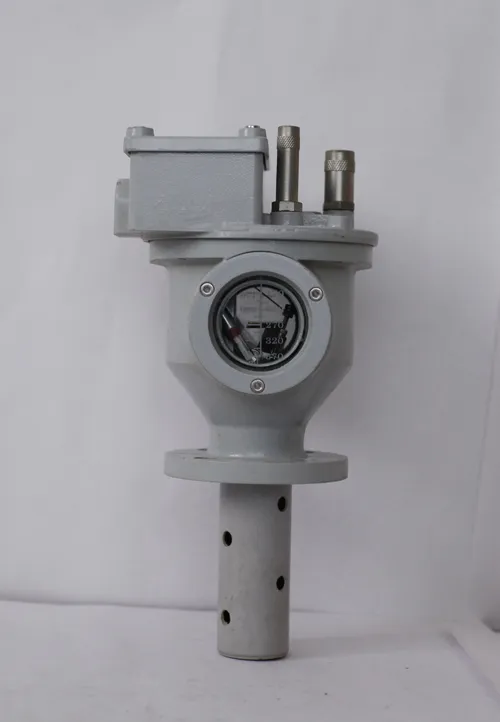
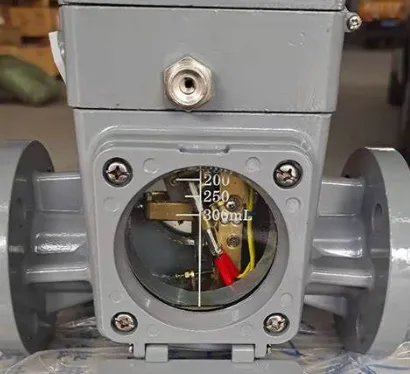
A mechanical protective device for oil-immersed transformers.
How to Troubleshoot a Buchholz Relay Trip
When a Buchholz relay trips, the transformer should not immediately be returned to service without investigation.
A proper troubleshooting process should include the following steps.
Step 1: Check Relay Gas Collection
The first step is to inspect the gas collected inside the relay.
Engineers should check:
- Gas volume
- Gas color
- Gas smell
- Gas composition
Different gas characteristics may indicate different fault types.
Bijvoorbeeld:
- Clear gas may indicate air entry
- Dark gas may indicate oil overheating or insulation damage
Step 2: Analyze Transformer Oil
Transformer oil testing provides important information about transformer health.
Common tests include:
Dissolved Gas Analysis (DGA)
DGA detects gases dissolved in transformer oil, inbegrepen:
- Hydrogen
- Methane
- Ethylene
- Acetylene
- Carbon monoxide
The gas pattern helps identify possible internal faults.
Oil Quality Testing
Oil testing may include:
- Breakdown voltage test
- Moisture content test
- Acidity test
- Dielectric loss measurement
Poor oil quality can accelerate insulation aging and increase failure risk.
Step 3: Inspect Transformer Condition
After a Buchholz relay trip, engineers may perform:
- Visual inspection
- Electrical testing
- Insulation resistance measurement
- Winding resistance testing
- Transformer ratio testing
For serious faults, internal inspection may be required.
Buchholz Relay Maintenance Best Practices
Regular maintenance helps prevent false alarms and ensures reliable protection.
1. Periodic Visual Inspection
Maintenance teams should regularly check:
- Olie lekkage
- Relay condition
- Mechanische schade
- Signal contacts
2. Check Relay Contacts
The alarm and trip contacts should be tested periodically to confirm correct operation.
Faulty contacts may prevent the relay from sending a protection signal.
3. Verify Float Movement
The float mechanism should move freely without obstruction.
Mechanical sticking may cause incorrect operation.
4. Maintain Proper Transformer Oil Level
The transformer oil level should always remain within the recommended range.
Low oil levels may introduce air and affect relay performance.
How to Select a Reliable Buchholz Relay
When selecting a Buchholz relay for a transformer project, several factors should be considered.
Transformer Application
Different transformers may require different relay specifications.
Important parameters include:
- Transformer capacity
- Oil volume
- Operating voltage
- Installation environment
Relay Size and Connection Type
Common considerations include:
- Pipe diameter
- Flange dimensions
- Mounting position
- Pressure rating
The relay must match the transformer design.
Quality and Testing
A reliable Buchholz relay should have:
- Accurate float operation
- Reliable switching contacts
- Good sealing performance
- Stable mechanical structure
Quality inspection before installation helps reduce unexpected failures.
Buchholz Relay Standards
For international transformer applications, Buchholz relays are commonly designed according to relevant transformer protection requirements and customer specifications.
Common references include:
- IEC transformer protection requirements
- IEC 60076 transformer standards
- Utility-specific technical specifications
European utilities often require documented testing and reliable traceability for transformer components.
Frequently Asked Questions About Buchholz Relay Trips
Why does my Buchholz relay trip?
A Buchholz relay may trip because of internal transformer faults, gas generation, rapid oil movement, olie lekkage, or installation problems.
Does a Buchholz relay trip always mean transformer failure?
Nee. A trip requires investigation. Some operations may be caused by air entry or minor issues, while others may indicate serious internal faults.
What causes Buchholz relay alarms?
Common causes include gas accumulation, isolatie veroudering, minor overheating, and air entering the transformer.
How often should Buchholz relays be inspected?
Inspection frequency depends on transformer importance, operating environment, and utility maintenance procedures. Regular inspection during transformer maintenance schedules is recommended.
Why is a Buchholz relay important for oil immersed transformers?
A Buchholz relay provides early detection of internal transformer problems and helps protect expensive transformer equipment from severe damage.
Reliable Buchholz Relay Protection for Transformer Safety
A Buchholz relay is a critical safety device for oil immersed transformers. When a Buchholz relay trips, it provides valuable information about possible internal transformer conditions.
Proper troubleshooting, regular maintenance, and reliable relay selection can significantly improve transformer safety and operational reliability.
For transformer manufacturers, nutsvoorzieningen, and maintenance companies, choosing high-quality transformer accessories is essential for long-term performance.
PDDN provides reliable transformer accessories including Buchholz-relais, transformer breathers, oliepeilindicatoren, and other transformer protection components designed for global transformer applications.
With strict quality control and manufacturing experience, PDDN supports customers with dependable transformer accessory solutions for power distribution and industrial applications.
GERELATEERDE POSTEN

The perfect collaboration of diodes and heat sinks – the art of thermal management
Selectie- en aanschafgids voor olie-ondergedompelde transformatoren: Technische parameters, Verlies normen, en exportpunten

Snelle hersteldiodemodule en gewone diodemodule: uitgebreide analyse van verschillen en kenmerken
What are the advantages of smart solar inverter

11kV-transformatorprijsgids: Factoren, Trends, en de beste aanbiedingen in 2024