Leverandør av elektroniske komponenter | Transformatorer, Induktorer, Invertere


Introduksjon
DeCT transformator er en ny AI-drevet innovasjonstransformasjonmedisinsk bildediagnostikk, tilbyr raskere, mer nøyaktigdatatomografi (CT) skanner. Kombineredyp læring medtransformatorarkitekturer, denne teknologien forbedrerbilderekonstruksjon, reduserer strålingseksponeringen, og forbedrerdiagnostisk nøyaktighet. I denne veiledningen, vi utforsker hvordanCT transformatorer arbeid, deres fordeler, og hvorfor de er enhett tema i 2024.
1. Hva er en CT-transformator?
ENCT transformator er endyp læringsmodell det gjeldertransformator nevrale nettverk tilCT-skanningsdata. I motsetning til tradisjonellekonvolusjonelle nevrale nettverk (CNN-er), den brukerselvoppmerksomhetsmekanismer å analysere3D medisinske bilder med høyere presisjon.
Nøkkelfunksjoner:
✔Raskere bilderekonstruksjon
✔Lavere stråledose
✔Forbedret tumordeteksjon
✔Forbedret oppløsning
2. Hvordan fungerer en CT-transformator?
2.1. Selvoppmerksomhet for medisinsk bildediagnostikk
TradisjonellCT-skanninger stole påfiltrert tilbake projeksjon (FBP), som kan produsere støy.CT transformatorer brukoppmerksomhetsmekanismer til:
- Fokus på kritiske anatomiske strukturer
- Reduser artefakter
- Rekonstruer bilder av høy kvalitet fra begrensede data
2.2. Deep Learning Integration
Ved å trene påstore CT-datasett, CT transformatorer lære å:
- Forutsi manglende skannedata (for lavdoseavbildning)
- Segmenter svulster & lesjoner automatisk
- Forbedre tidlig sykdomsoppdagelse
3. Fordeler med CT-transformere i helsevesenet
3.1. Raskere & Mer nøyaktige diagnoser
- Oppdager kreft i tidlig stadium (f.eks., lunge, lever)
- Forbedrer hjerneslagvurdering
- Reduserer falske positiver
3.2. Sikrere skanninger med lavere stråling
- Kutter strålingseksponering med 30-50%
- Ideell for pediatrisk & hyppig skanning
3.3. Koste & Arbeidsflyteffektivitet
- Reduserer manuell analysetid
- Integrerer med PACS & EPJ-systemer
4. Aktuelle applikasjoner (2024 Trender)
4.1. Onkologi & Tumorsporing
- Identifiserer små metastaser
- Overvåker behandlingsrespons
4.2. Kardiovaskulær bildediagnostikk
- Oppdager koronarsykdom tidligere
- Forbedrer plakkanalyse
4.3. Akuttmedisin
- Fremskynder traumevurderinger
- Forbedrer deteksjon av intrakraniell blødning
5. Utfordringer & Fremtiden til CT Transformers
5.1. Nåværende begrensninger
- Krever store opplæringsdatasett
- Høy beregningskraft er nødvendig
- Regulatoriske godkjenninger er fortsatt under utvikling
5.2. Fremtidig utvikling
- Federert læring for personvernsikker AI
- Edge computing for sanntidsanalyse
- Multimodal fusjon (CT + MR + KJÆLEDYR)
Konklusjon
DeCT transformator er revolusjonerendemedisinsk bildediagnostikk, tilbudraskere, tryggere, og smartere diagnostikk. SomAI i radiologi fremskritt, forventer bredere adopsjon isykehus, forske, og telemedisin.
RELATERTE INNLEGG

Hvor er solenergi inverter for hjemmet miljøvennlig?
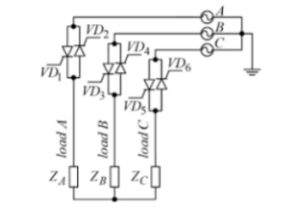
Tyristor trefase spenningskontrollsignal: Kilden til visdom innen kraftelektronikk

Pad-monterte transformatorer: Pålitelige underjordiske kraftdistribusjonsløsninger
Mellomspenningstransformatorer av tørr type: Fremtiden for sikker og effektiv kraftdistribusjon

Raske diodemoduler og standard diodemoduler: Forskjeller i arbeidsprinsipper, Egenskaper og bruksområder