


Electronic Components Supplier | Transformers, Inductors, Inverters


Oil Immersed Transformer
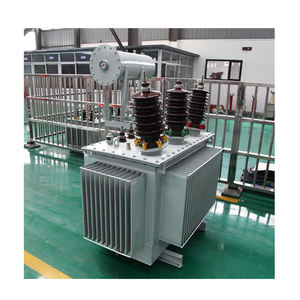
500kv 630kva Oil-immersed Power Transformer 3 Phase High Voltage Conversion 220v Output 35kv Input Compatible 50Hz 60Hz
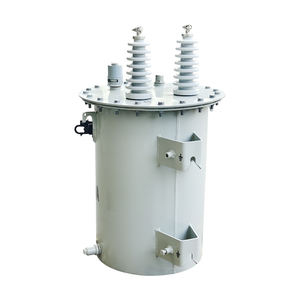
50KVA 100KVA 150KVA 200KVA 250KVA 300KVA 400KVA 450KVA 500KVA 20KV Oil Immersed Electrical Power Distribution Transformer
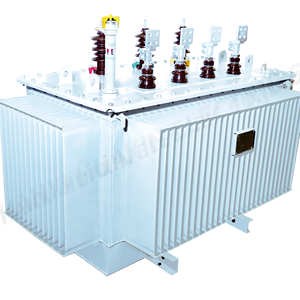
High Efficiency 50MVA 110KV Oil Immersed Transformer For Energy Projects And Smart Grid
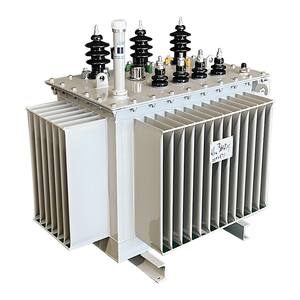
Whole 200kva Transformer High Quality Sealed Outdoor 50kva 100kva Oil Immersed Electric Power Transformer
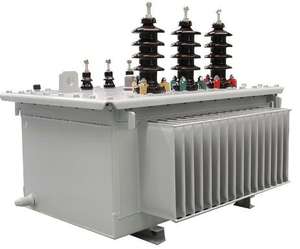
Customized Indoor 50hz Frequency High Voltage Electric Dry Type Power Transformer Industrial Controls Transformers
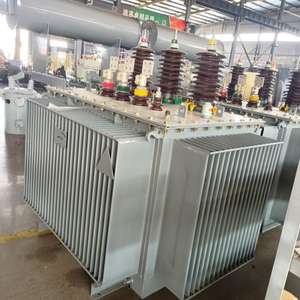
Oil Immersed Type Transformer 150 Kv 100kva Oil Immersed Power Transformer
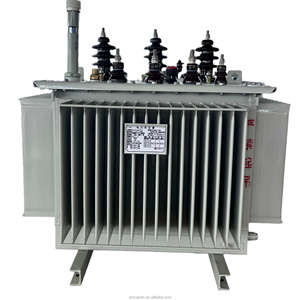
Whole Customized Oil Filled Transformer 7000 Kva 33kv Power Transformer High Voltage Oil Immersed Distribution Transformer
Oil Immersed Transformers 50/60HZ 23KV 230V/460V 50KVA Single Phase Competitive Copper Pole Mounted Transformer 220V
110kv 3-Phase Oil Immersed Power Filtration Machine Transformer 10kv Input 380v Output 50/60Hz Frequency Competitive
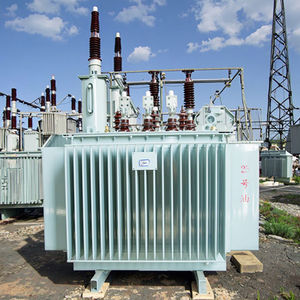
Hermetically Sealed Three Phase Oil-Immersed Power Transformer S11 Model 30-3000kva for 6-10kv Applications
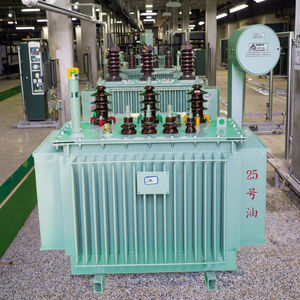
10/11kV Industrial Oil Immersed Transformer for Electrical Substation
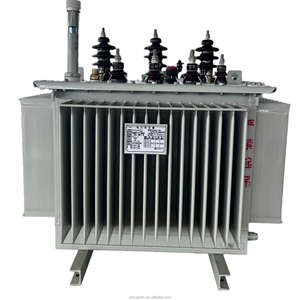
IEC Standard 200kva 10-0.4kvThree Phase Oil Immersed Type Transformer Copper Windings or Aluminium Windings OEM Supported
Overview of Oil Immersed Transformers
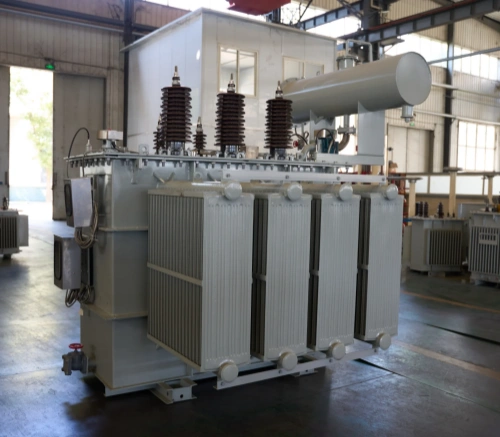
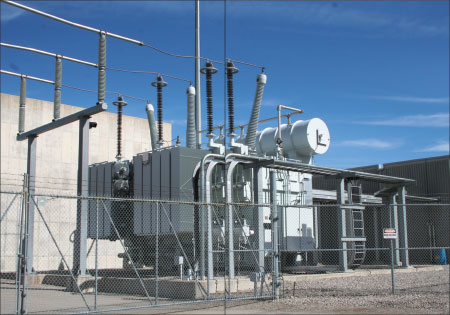

Oil immersed transformers are widely used in power transmission and distribution systems due to their high reliability, strong insulation performance, and efficient heat dissipation. These transformers use insulating mineral oil to cool and insulate the internal components, ensuring stable operation even under heavy electrical loads.
Oil-filled transformers are commonly applied in power plants, substations, industrial facilities, and renewable energy projects, providing efficient voltage conversion and reliable power supply for modern electrical infrastructure.
How Oil Immersed Transformers Work

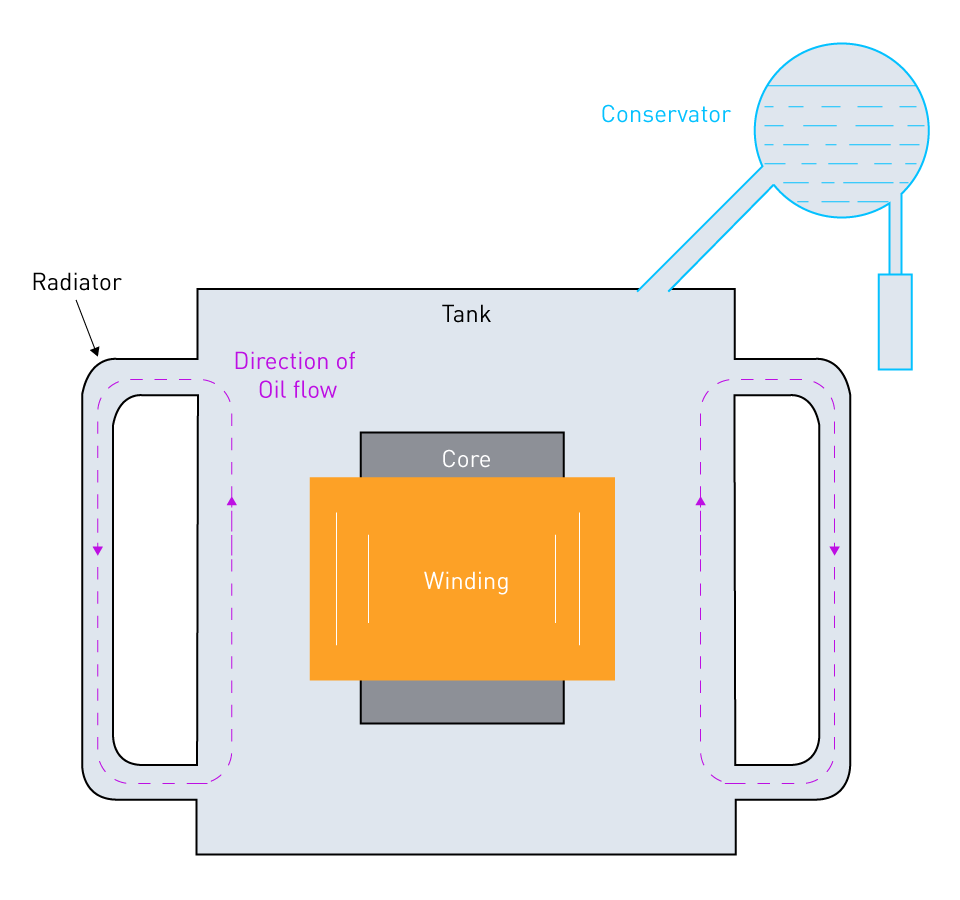
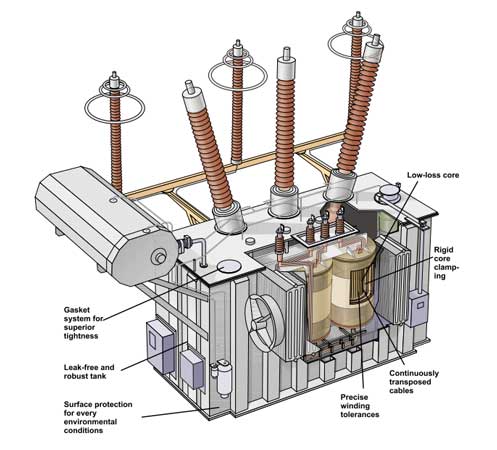
An oil immersed transformer operates by transferring electrical energy between circuits through electromagnetic induction, while using insulating oil for both electrical insulation and heat dissipation.
| Component | Function |
|---|---|
| Core | Transfers magnetic flux efficiently and provides a low-reluctance path for magnetic flux |
| Windings | Conduct electrical current and transform voltage levels through electromagnetic induction |
| Transformer Oil | Provides electrical insulation and dissipates heat generated during operation |
| Oil Tank | Houses and protects the internal components and contains the insulating oil |
| Radiator / Cooling System | Removes heat generated during operation and helps maintain a safe operating temperature |
| High Voltage Winding | Carries current at the high-voltage side and provides the required voltage transformation |
| Low Voltage Winding | Carries current at the low-voltage side and transfers electrical energy to or from the high-voltage circuit |
| Insulation System | Electrically isolates the windings, core, and other energized components to prevent insulation failure |
| Bushing | Provides an insulated connection between the internal windings and external electrical circuits |
| Tap Changer | Adjusts the transformer turns ratio to regulate the output voltage under specified operating conditions |
| Conservator Tank | Accommodates the expansion and contraction of transformer oil caused by temperature changes |
| Breather | Prevents moisture and contaminants from entering the transformer while allowing air exchange |
| Oil Level Indicator | Monitors the level of transformer oil and helps detect abnormal oil-level conditions |
| Temperature Indicator | Monitors oil or winding temperature to help prevent overheating |
| Pressure Relief Device | Releases excessive internal pressure to protect the transformer tank during abnormal conditions |
| Grounding Terminal | Provides a reliable connection to ground for electrical safety and fault-current protection |
During operation, the transformer oil circulates inside the tank, absorbing heat from the core and windings and transferring it to the cooling radiators, ensuring stable and safe performance.
Types of Oil Immersed Transformers
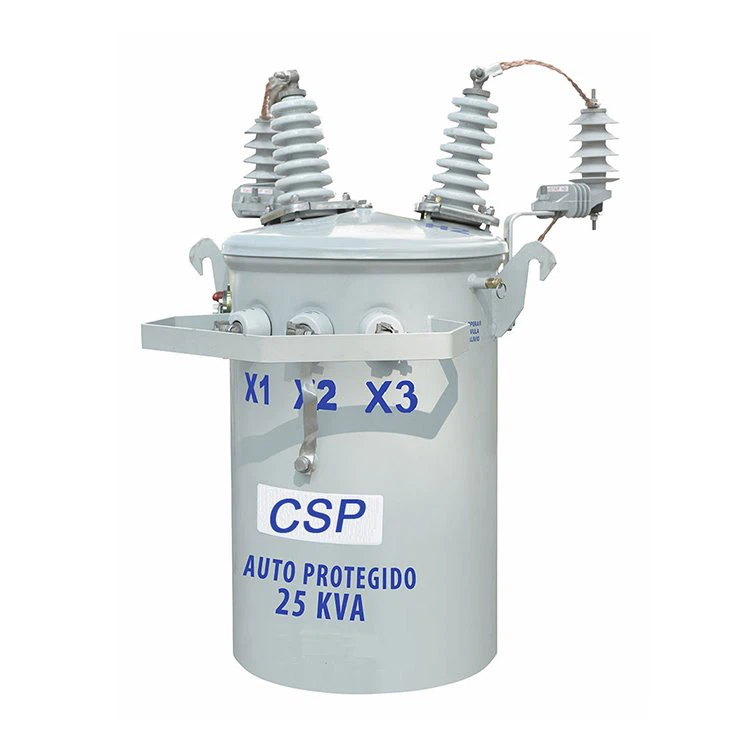
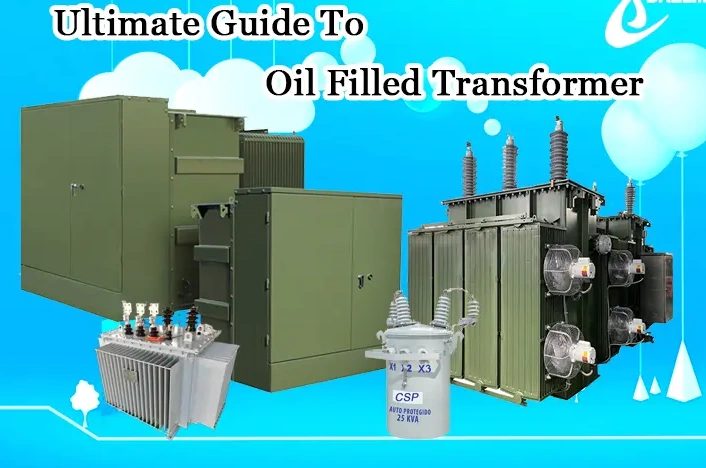
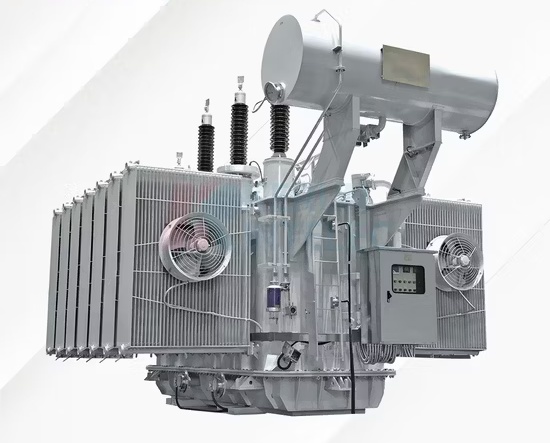
- Distribution Transformers – Used in local power distribution networks to supply electricity to residential and commercial users.
- Power Transformers – Designed for high-voltage transmission and large substations.
- Three-Phase Transformers – Commonly used in industrial and utility power systems.
- Renewable Energy Transformers – Integrated with solar farms and wind power plants.
Advantages of Oil Immersed Transformers
- Excellent Insulation Performance – Transformer oil provides strong dielectric strength
- Efficient Cooling – Oil circulation helps dissipate heat effectively
- High Reliability – Suitable for continuous operation in power grids
- Long Service Life – Typically operates for 25–30 years with proper maintenance
- High Load Capacity – Handles heavy electrical loads in industrial applications
Company Profile
Luoyang Datang Energy Technology Co., Ltd. is a high-tech enterprise integrating R&D, manufacturing, and supply of power equipment and renewable energy solutions. Specializing in transformers, new energy components, distribution cabinets, and inverters, we have expanded our portfolio to include solar power systems, energy storage solutions, and air source heat pumps. With technological innovation as our core, we focus on creating high-reliability and high-performance power and energy efficiency solutions to serve global customers. Through a strict quality control system and international standard certification, we continuously deliver excellent products that empower our customers to build safe, stable, and sustainable power systems.
If you are looking for a high-quality Oil immersed Transformer supplier, we invite you to contact us or click on related products to inquire.
Payment Methods for Oil-immersed Transformer
L/C, T/T, Western Union, Paypal, Credit Card etc.
Shipment of Oil-immersed Transformer
Once payment is received, by sea, by air, or by express as soon as possible.
FAQs of Oil Immersed Transformers
1. What is an oil immersed transformer?
An oil immersed transformer is a transformer that uses insulating oil as both a cooling medium and electrical insulation during operation. The transformer oil surrounds the core and windings, helping transfer heat away from the active components while providing insulation between energized parts.
Oil immersed transformers are widely used in power transmission, distribution, industrial, commercial, and renewable energy applications.
2. Why is transformer oil used?
Transformer oil performs two important functions: electrical insulation and heat dissipation.
It helps prevent electrical breakdown between internal components while also carrying heat generated by the core and windings to the cooling surfaces, such as radiators.
High-quality transformer oil can therefore contribute to stable operation, effective cooling, and longer equipment service life.
3. What is the lifespan of an oil immersed transformer?
With proper design, installation, operation, and maintenance, an oil immersed transformer can typically operate reliably for 25–30 years or longer.
The actual service life depends on factors such as:
- Operating load
- Temperature
- Insulation condition
- Transformer oil quality
- Moisture levels
- Short-circuit events
- Cooling system performance
- Maintenance practices
Regular inspection and condition monitoring can help identify potential problems and extend the transformer's useful operating life.
4. Where are oil immersed transformers used?
Oil immersed transformers are widely used in:
- Power plants
- Electrical substations
- Distribution networks
- Industrial facilities
- Commercial power systems
- Renewable energy projects
- Solar power plants
- Wind power projects
- Large infrastructure projects
They are particularly suitable for applications requiring high power capacity and efficient heat dissipation.
5. What is the difference between oil immersed and dry-type transformers?
Oil immersed transformers use insulating oil for cooling and electrical insulation, while dry-type transformers use air and/or solid insulation materials such as resin.
Oil immersed transformers are commonly selected for higher-capacity applications and outdoor installations, while dry-type transformers are often preferred where fire safety, indoor installation, or reduced maintenance of liquid insulation is a priority.
The appropriate type depends on the capacity, installation environment, safety requirements, and project specifications.
6. How does an oil immersed transformer work?
An oil immersed transformer operates according to the principle of electromagnetic induction.
When alternating current flows through the primary winding, it creates a changing magnetic field in the transformer core. This changing magnetic flux induces voltage in the secondary winding.
The transformer oil surrounds the core and windings, providing electrical insulation and transferring heat generated during operation to the cooling system.
7. What are the main components of an oil immersed transformer?
The main components typically include:
- Magnetic Core – Provides a low-reluctance path for magnetic flux.
- High Voltage Winding – Handles the high-voltage side of the transformer.
- Low Voltage Winding – Handles the low-voltage side.
- Transformer Oil – Provides insulation and cooling.
- Oil Tank – Contains the oil and protects internal components.
- Radiators – Dissipate heat from the transformer oil.
- Bushings – Provide insulated electrical connections to external circuits.
- Tap Changer – Adjusts the voltage ratio when required.
- Conservator Tank – Accommodates changes in oil volume caused by temperature variations.
- Breather – Helps prevent moisture from entering the transformer.
8. How is an oil immersed transformer cooled?
Heat generated by the transformer core and windings is transferred to the surrounding transformer oil. The heated oil then circulates toward the radiators or other cooling equipment, where heat is released into the surrounding environment.
Depending on the transformer design and capacity, cooling can use natural circulation, forced oil circulation, natural air cooling, or forced air cooling.
Larger transformers may use fans and oil pumps to improve heat dissipation.
9. How often should transformer oil be inspected or tested?
Transformer oil should be monitored periodically according to the manufacturer's recommendations, operating conditions, and applicable standards.
Common tests may evaluate:
- Moisture content
- Dielectric strength
- Acidity
- Dissolved gases
- Oil condition
- Contamination
- Oxidation condition
Regular oil testing can help identify insulation deterioration, overheating, arcing, and other potential internal problems at an early stage.
10. Does an oil immersed transformer require regular maintenance?
Yes. Regular maintenance helps maintain safe and reliable transformer operation.
Typical maintenance activities include:
- Checking transformer oil level and condition
- Inspecting for oil leakage
- Checking bushings and terminals
- Inspecting radiators and cooling equipment
- Monitoring oil and winding temperatures
- Checking the conservator and breather
- Testing insulation performance
- Inspecting the tap changer
- Checking protection and monitoring devices
The maintenance interval should be determined according to the transformer design, operating environment, load conditions, and manufacturer recommendations.