Fornecedor de componentes eletrônicos | Transformadores, Indutores, Inversores


Transformador Cheio de Líquido: Uma solução confiável para distribuição de energia
Introdução
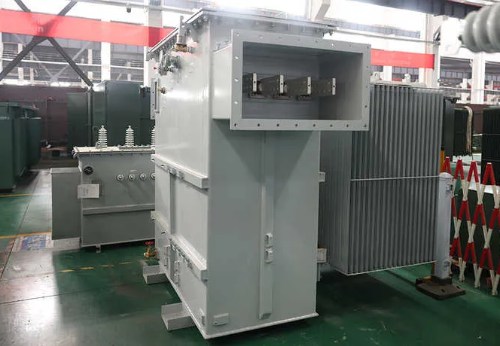
Liquid-filled transformers are widely used in electrical power systems due to their efficient cooling capabilities, durabilidade, e capacidade de lidar com cargas elevadas. These transformers use dielectric fluids—such asóleo mineral ousynthetic esters—to provide insulation and dissipate heat. This article explores the working principle, tipos, vantagens, and applications ofliquid-filled transformers in modern power networks.
Princípio de funcionamento
UMliquid-filled transformer operates by immersing its core and windings in a dielectric fluid, which serves two primary functions:
Isolamento: Prevents electrical breakdown and arcing between components.
Resfriamento: Absorbs and dissipates heat generated during operation, ensuring stable performance.
The fluid circulates naturally (emtransformadores imersos em óleo) or through pumps (emforced-cooled transformers), maintaining optimal temperature levels.
Types of Liquid-Filled Transformers
Mineral Oil Transformers – The most common type, using highly refined petroleum-based oil for insulation and cooling.
Silicone Oil Transformers – Used in high-temperature environments due to their superior thermal stability.
Ester-Filled Transformers – Utilize biodegradablesynthetic esters ounatural esters, making them eco-friendly and fire-resistant.
Askarel Transformers – Previously used for fire safety but phased out due to environmental concerns (PCB).
Advantages of Liquid-Filled Transformers
Higher Overload Capacity: Can handle temporary power surges better thantransformadores do tipo seco.
Vida útil mais longa: Proper cooling extends operational life (muitas vezes 30+ anos).
Design Compacto: More power-dense than air-cooled alternatives, saving space.
Better Heat Dissipation: Liquid cooling ensures efficient thermal management.
Lower Noise Levels: Quieter operation compared to dry-type units.

Aplicativos
Utility Power Grids: Used in substations for voltage regulation.
Instalações Industriais: Support heavy machinery and manufacturing plants.
Sistemas de Energia Renovável: Integrate withfazendas solares ewind power plants.
Urban Distribution: Ideal for underground installations due to their compact size.
Conclusão
Liquid-filled transformers remain a cornerstone of power distribution due to their reliability, eficiência, and adaptability. Com avanços embiodegradable fluids and smart monitoring systems, they continue to evolve, meeting the demands of modern electrical infrastructure.
POSTS RELACIONADOS
Tiristores controlados por fase discreta: Inovação em Eletrônica de Potência Levando ao Futuro

A diferença entre painéis solares com microinversores integrados e painéis solares comuns

Como evitar falhas no transformador causadas pela saturação de sílica gel

A função de transmissão de sinal de termômetros bimetálicos à prova de explosão tem sido amplamente aplicada no campo de monitoramento de segurança da produção industrial

Como você garante a operação estável do dissipador de calor do transformador?