Soláthraí Comhpháirteanna Leictreonacha | Claochladáin, Ionduchtóirí, Inverters


Trasfhoirmeoir Leacht-Líonta: Réiteach Iontaofa maidir le Dáileadh Cumhachta
Réamhrá
Liquid-filled transformers are widely used in electrical power systems due to their efficient cooling capabilities, marthanacht, and ability to handle high loads. These transformers use dielectric fluids—such asmineral oil nósynthetic esters—to provide insulation and dissipate heat. Scrúdaíonn an t-alt seo an prionsabal oibre, cineálacha, buntáistí, and applications ofliquid-filled transformers in modern power networks.
Prionsabal Oibre
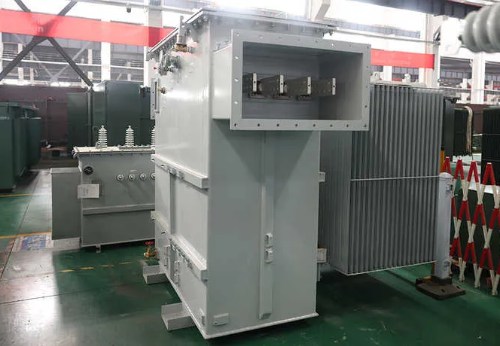
Aliquid-filled transformer operates by immersing its core and windings in a dielectric fluid, which serves two primary functions:
Insliú: Prevents electrical breakdown and arcing between components.
Fuarú: Absorbs and dissipates heat generated during operation, ensuring stable performance.
The fluid circulates naturally (isteachclaochladáin ola-tumtha) or through pumps (isteachforced-cooled transformers), maintaining optimal temperature levels.
Types of Liquid-Filled Transformers
Mineral Oil Transformers – The most common type, using highly refined petroleum-based oil for insulation and cooling.
Silicone Oil Transformers – Used in high-temperature environments due to their superior thermal stability.
Ester-Filled Transformers – Utilize biodegradablesynthetic esters nónatural esters, making them eco-friendly and fire-resistant.
Askarel Transformers – Previously used for fire safety but phased out due to environmental concerns (PCBanna).
Advantages of Liquid-Filled Transformers
Higher Overload Capacity: Can handle temporary power surges better thanclaochladáin de chineál tirim.
Saol Níos faide: Proper cooling extends operational life (go minic 30+ blianta).
Dearadh Dlúth: More power-dense than air-cooled alternatives, saving space.
Better Heat Dissipation: Liquid cooling ensures efficient thermal management.
Lower Noise Levels: Quieter operation compared to dry-type units.

Feidhmchláir
Utility Power Grids: Used in substations for voltage regulation.
Áiseanna Tionscail: Support heavy machinery and manufacturing plants.
Córais Fuinnimh In-athnuaite: Integrate withfeirmeacha gréine aguswind power plants.
Urban Distribution: Ideal for underground installations due to their compact size.
Conclúid
Liquid-filled transformers remain a cornerstone of power distribution due to their reliability, éifeachtúlacht, and adaptability. With advancements inbiodegradable fluids and smart monitoring systems, they continue to evolve, meeting the demands of modern electrical infrastructure.
POSTAÍ GAOLMHARA

11Treoir Praghsanna Trasfhoirmeoir kV: Fachtóirí, Treochtaí, agus Margaí is Fearr i 2024

Tá an 1500 kVA Trasfhoirmeoir Ola-Líonaithe: Tionscail a Chumhachtú le Iontaofacht Gan Chomhoiriúnú
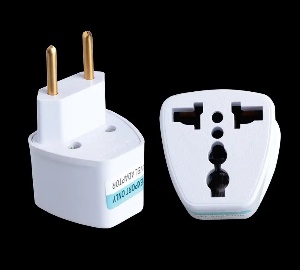
Cuibheoir Voltais 110 chuig 220: Do Chompánach Riachtanach Taistil
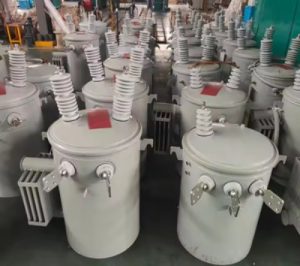
Anailís ar phrionsabal oibre agus ionchais iarratais claochladáin cineál cuaille
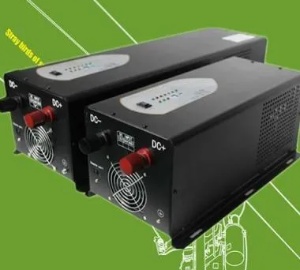
Inverters Hibrid: An Réiteach Deiridh do Riachtanais Fuinnimh Nua-Aimseartha