மின்னணு கூறுகள் சப்ளையர் | மின்மாற்றிகள், தூண்டிகள், இன்வெர்ட்டர்கள்


மின் மாற்றிகள்: சக்தி அமைப்புகளின் அத்தியாவசிய கூறு
அறிமுகம்
Electrical transformers are fundamental devices in modern power distribution and electronic circuits. அவை திறமையான மின்னழுத்த மாற்றத்தை செயல்படுத்துகின்றன, சக்தி பரிமாற்றம், மற்றும் மின்சார தனிமைப்படுத்தல், making them indispensable in industries ranging from power grids to consumer electronics. This article explores the working principles, வகைகள், பயன்பாடுகள், and future trends of electrical transformers.
How Transformers Work
Transformers operate on the principle ofமின்காந்த தூண்டல், as discovered by Michael Faraday. முக்கிய கூறுகள் அடங்கும்:
முதன்மை சுருள்: Receives input voltage
இரண்டாம் நிலை சுருள்: Delivers transformed voltage
Magnetic core: Typically made of laminated steel to minimize energy loss
The voltage transformation ratio depends on theதிருப்பங்கள் விகிதம் between coils:
V₂/V₁ = N₂/N₁
Where V=voltage and N=number of coil turns.
Main Types of Electrical Transformers
1. By Construction
Core-type: Windings surround the core (common in power applications)
Shell-type: Core surrounds windings (better for high-current applications)
2. By Voltage Level
Step-up transformers: Increase voltage (எ.கா., power plant to grid)
Step-down transformers: Decrease voltage (எ.கா., grid to household)
3. By Cooling Method
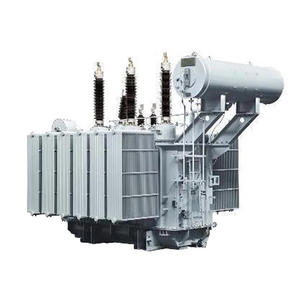
எண்ணெய் மூழ்கியது: Mineral oil cools and insulates (used in power distribution)
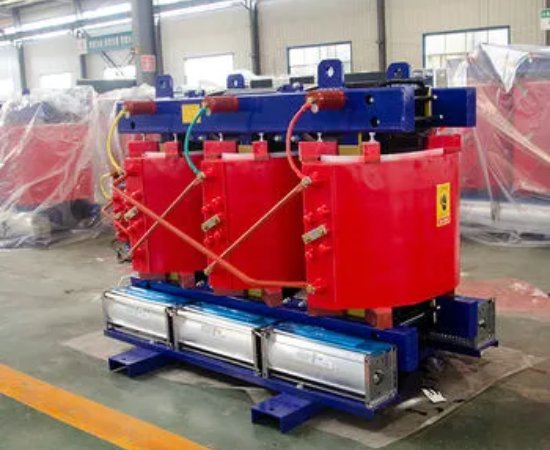
உலர் வகை: Air-cooled (safer for indoor/urban installations)
4. Specialized Types
Instrument transformers: CTs and PTs for measurement/protection
Autotransformers: Single-winding design for voltage adjustment
Isolation transformers: Prevent electrical noise transmission
முக்கிய பயன்பாடுகள்
Power Transmission
Step-up to 400kV+ for long-distance transmission
Step-down to 110V/220V for consumer use
Industrial Equipment
Machine tools, welding systems, and heavy motors
புதுப்பிக்கத்தக்க ஆற்றல்
Interface solar/wind generation with power grids
Electronics
Power supplies, audio equipment, and telecommunications
தொழில்நுட்ப விவரக்குறிப்புகள்
When selecting transformers, கருதுகின்றனர்:
சக்தி மதிப்பீடு (kVA/VAT)
அதிர்வெண் (50/60ஹெர்ட்ஸ்)
திறன் (வரை 99% for modern designs)
காப்பு வகுப்பு (A to H based on temperature tolerance)

Emerging Technologies
ஸ்மார்ட் டிரான்ஸ்ஃபார்மர்கள்
IoT-enabled for real-time monitoring and control
High-Temperature Superconducting Transformers
Reduced size and energy loss
திட நிலை மின்மாற்றிகள்
Power electronics replacing traditional designs
பராமரிப்பு & பாதுகாப்பு
Regular oil testing (for oil-filled units)
Thermographic inspections to detect hotspots
Protection against:
Overloading
Short circuits
Voltage surges
முடிவுரை
From enabling continental-scale power grids to powering miniature electronics, electrical transformers remain vital to electrification. Ongoing advancements in materials, கண்காணிப்பு அமைப்புகள், and compact designs continue to enhance their efficiency and functionality. As energy systems evolve toward decentralization and digitalization, transformers will adapt to meet new challenges in power quality, renewable integration, and smart grid development.
தொடர்புடைய இடுகைகள்

பவர் எலக்ட்ரானிக்ஸ் மாஸ்டர்: கட்டுப்படுத்தக்கூடிய ஒற்றை-கட்ட தைரிஸ்டர்களின் தனித்துவமான வசீகரம்

ஈட்டன் வட அமெரிக்க உற்பத்தியில் முதலீட்டை அதிகரிக்கிறது, மற்றும் மூன்று-கட்ட மின்னழுத்த சீராக்கி தொழில்நுட்பம் உள்கட்டமைப்பு திட்டங்கள் செழித்து வளர உதவுகிறது.

உயர் மின்னழுத்த பிரதான மின்மாற்றிகள் சந்தை அடையும் என எதிர்பார்க்கப்படுகிறது $36.9 பில்லியன் மூலம் 2032, கூட்டு வருடாந்திர வளர்ச்சி விகிதத்துடன் 6.9%
செயற்கை நுண்ணறிவு தொழில்நுட்பத்துடன் இணைந்து நவீன ஆற்றல் அமைப்புகளில் எண்ணெய் மூழ்கிய மின்மாற்றிகளின் பயன்பாடு
மின்மாற்றி துணைக்கருவிகள் தேர்வு வழிகாட்டி: பொறியாளர்கள் தெரிந்து கொள்ள வேண்டிய முக்கிய அளவுருக்கள்