Fournisseur de composants électroniques | Transformateurs, Inducteurs, Onduleurs


Transformateurs électriques: Le composant essentiel des systèmes électriques
Introduction
Electrical transformers are fundamental devices in modern power distribution and electronic circuits. Ils permettent une conversion de tension efficace, transmission de puissance, et isolation électrique, making them indispensable in industries ranging from power grids to consumer electronics. This article explores the working principles, genres, candidatures, and future trends of electrical transformers.
How Transformers Work
Les transformateurs fonctionnent selon le principe deinduction électromagnétique, as discovered by Michael Faraday. Key components include:
Primary coil: Receives input voltage
Secondary coil: Delivers transformed voltage
Magnetic core: Typically made of laminated steel to minimize energy loss
The voltage transformation ratio depends on therapport de rotation between coils:
V₂/V₁ = N₂/N₁
Where V=voltage and N=number of coil turns.
Main Types of Electrical Transformers
1. By Construction
Core-type: Windings surround the core (common in power applications)
Shell-type: Core surrounds windings (better for high-current applications)
2. By Voltage Level
Step-up transformers: Increase voltage (par ex., power plant to grid)
Step-down transformers: Decrease voltage (par ex., grid to household)
3. By Cooling Method
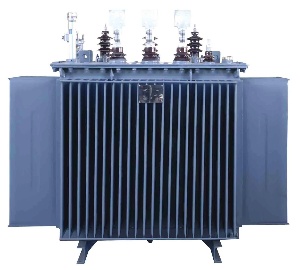
Immergé dans l'huile: Mineral oil cools and insulates (used in power distribution)
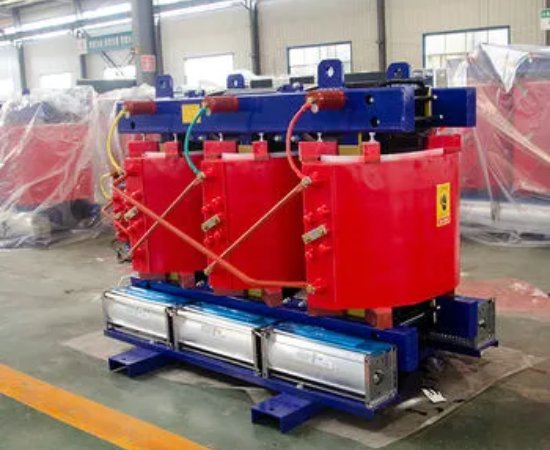
Type sec: Refroidi par air (safer for indoor/urban installations)
4. Specialized Types
Instrument transformers: CTs and PTs for measurement/protection
Autotransformateurs: Single-winding design for voltage adjustment
Isolation transformers: Prevent electrical noise transmission
Applications clés
Power Transmission
Step-up to 400kV+ for long-distance transmission
Step-down to 110V/220V for consumer use
Industrial Equipment
Machine tools, welding systems, and heavy motors
Énergie renouvelable
Interface solar/wind generation with power grids
Électronique
Power supplies, audio equipment, and telecommunications
Spécifications techniques
When selecting transformers, considérer:
Power rating (kVA/TVA)
Fréquence (50/60Hz)
Efficacité (jusqu'à 99% for modern designs)
Classe d'isolation (A to H based on temperature tolerance)

Emerging Technologies
Transformateurs intelligents
IoT-enabled for real-time monitoring and control
High-Temperature Superconducting Transformers
Reduced size and energy loss
Transformateurs statiques
Power electronics replacing traditional designs
Entretien & Sécurité
Regular oil testing (for oil-filled units)
Thermographic inspections to detect hotspots
Protection against:
Surcharge
Courts-circuits
Voltage surges
Conclusion
From enabling continental-scale power grids to powering miniature electronics, electrical transformers remain vital to electrification. Ongoing advancements in materials, systèmes de surveillance, and compact designs continue to enhance their efficiency and functionality. As energy systems evolve toward decentralization and digitalization, transformers will adapt to meet new challenges in power quality, renewable integration, and smart grid development.
ARTICLES CONNEXES
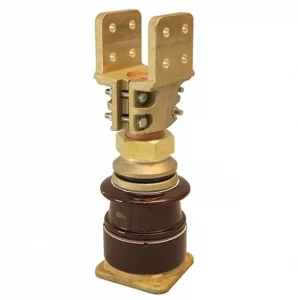
OIP contre. Douille de transformateur RIP: Quel est le meilleur pour votre application?

Par 2032, le marché des transformateurs de distribution sur socle dépassera $20 milliard – Le transformateur monté sur socle ouvre un nouveau chapitre dans la transmission de puissance

2026 Tendances technologiques des panneaux solaires et optimisation du système: Analyse approfondie des modules efficaces, Intégration du stockage d'énergie, et applications industrielles et commerciales

Découvrir les secrets des micro-onduleurs solaires: l’étoile montante de la production d’énergie solaire photovoltaïque
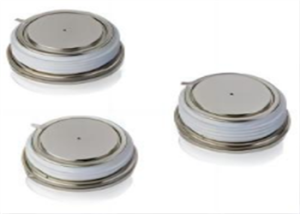
Analyse du marché mondial des gadgets à thyristors par les principaux fabricants et paysage abordable 2023-2029