Electronic Components Supplier | Transformers, Inductors, Inverters


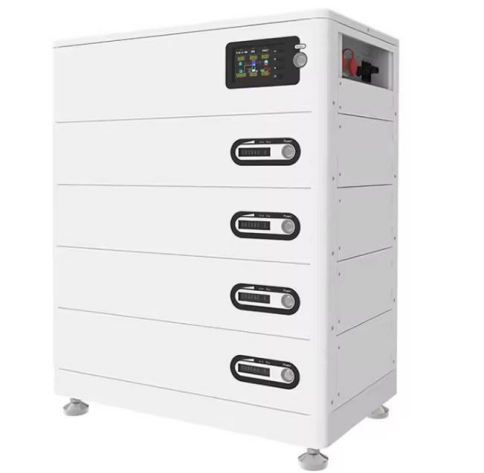
📷 Solar + Storage System Diagram
1. Why Solar + Storage is the Future
Solar power alone is no longer sufficient.
👉 The challenge:
- Excess energy during the day
- High demand at night
Solution: Energy Storage
2. How the System Works
Basic working principle:
- Solar panels generate electricity
- Power is used by loads first
- Excess energy is stored in batteries
- Stored energy is used at night
👉 This is called Time Shifting
3. System Components
| Component | Function |
|---|---|
| Solar Panels | Power generation |
| Inverter | Convert electricity |
| Battery | Energy storage |
| EMS | Smart control |
| Distribution System | Power allocation |
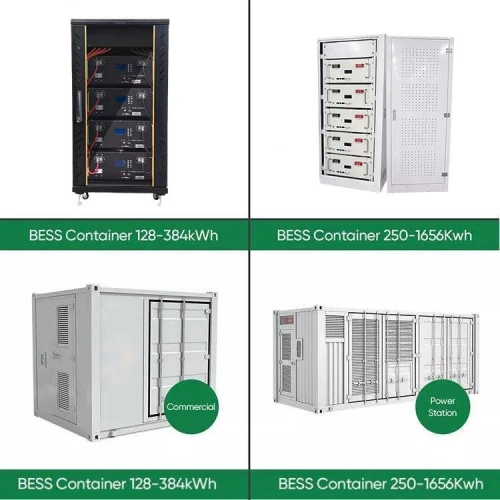
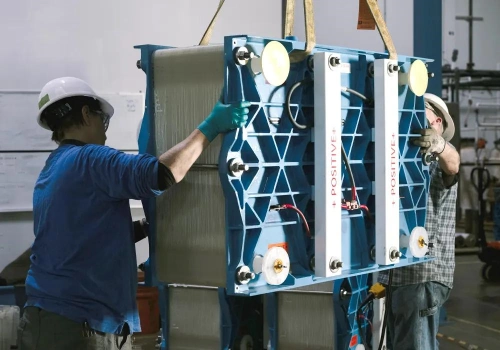
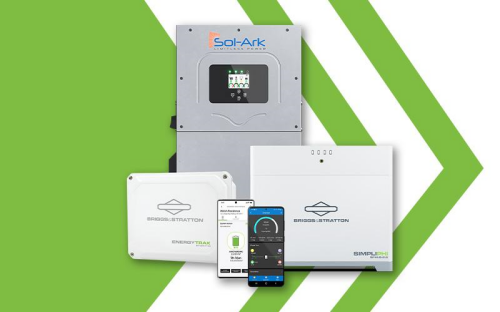
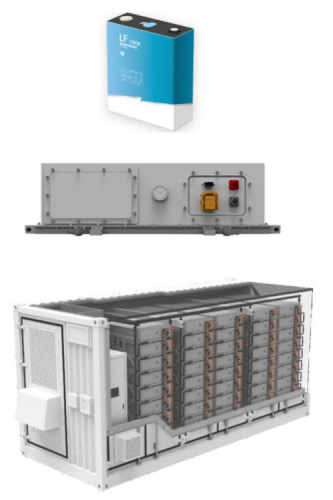
📷 Residential vs Commercial Systems
4. Application Scenarios
| Scenario | Features | Typical Capacity |
|---|---|---|
| Residential | Small-scale | 5–20 kWh |
| Commercial | Medium-scale | 50–500 kWh |
| Industrial | Large-scale | 1 MWh+ |
| Microgrid | Off-grid | Hybrid systems |
5. Economic Benefits
Cost Structure:
- Battery (~50%)
- PCS & inverter
- Installation & O&M
Revenue Sources:
- Peak-valley arbitrage
- Reduced grid dependency
- Backup power value
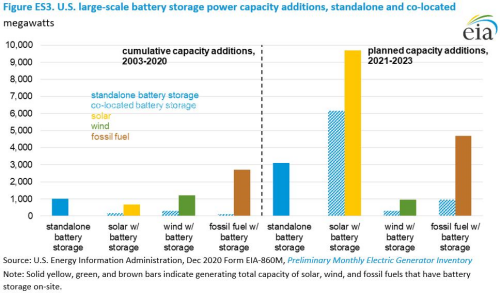
6. Global Market Trends (2026)
Fastest-growing regions:
- 🇸🇦 Middle East (high temperature + high tariffs)
- 🇪🇺 Europe (energy crisis driven)
- 🇦🇫 Africa (unstable grid)
- 🇺🇸 USA (policy incentives)
7. Design for Harsh Environments
Key requirements:
- 🌡️ High-temperature resistance
- 🌪️ Dust protection
- ⚡ Grid instability tolerance
Solutions:
- Liquid cooling systems
- IP54+ protection
- Fire suppression systems
8. Future Trends
- Smart energy management (AI)
- Modular design
- Solar + Storage + EV integration
9. Conclusion
Solar + energy storage is the most effective way to:
- Increase energy efficiency
- Reduce electricity costs
- Achieve energy independence
👉 Solution capability matters more than product alone
RELATED POSTS
bidirectional diode thyristor:A Comprehensive Discussion of Operating Principles, Characteristics and Application
Applications and precautions of BT151 650r thyristor
Home Inverter: A powerful tool for power conversion, an intelligent steward of home energy
Tata Solar Inverter Price List

Price fluctuations of BT151: an in-depth analysis of the influencing factors