Electronic Components Supplier | Transformers, Inductors, Inverters


1. Why Air Source Heat Pumps Are Leading the Global Energy Transition
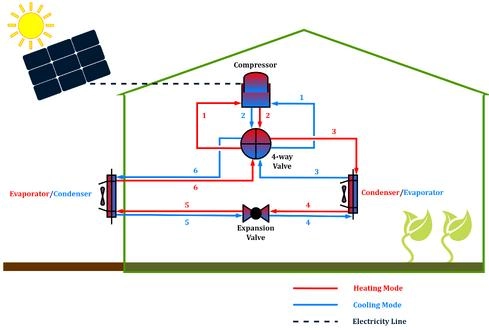
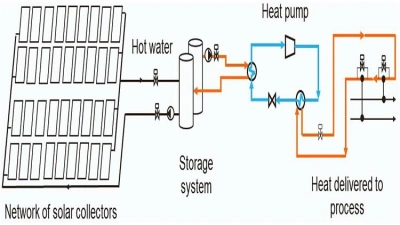
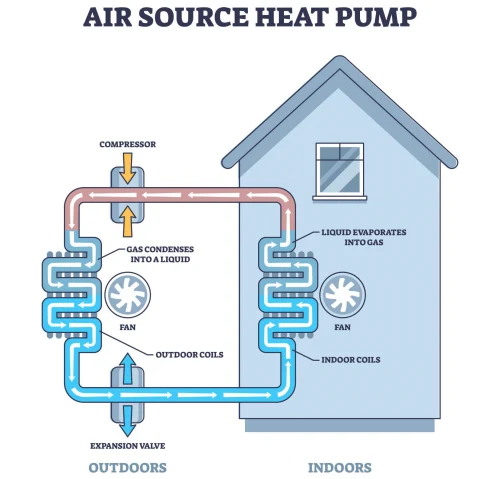
As countries accelerate toward carbon neutrality, the Air Source Heat Pump (ASHP) has emerged as a key solution for replacing fossil-fuel-based heating systems.
Unlike traditional systems, ASHPs:
- Extract heat from ambient air
- Deliver 3–5 times more energy than they consume
- Provide heating, cooling, and hot water in one system
👉 This makes them highly attractive in Europe, North America, and the Middle East.
2. How an Air Source Heat Pump Works (Technical Breakdown)
Air source heat pumps operate based on the reverse Carnot cycle using a vapor compression system.
Key Components:
| Component | Function |
|---|---|
| Compressor | Increases refrigerant pressure and temperature |
| Evaporator | Absorbs heat from outdoor air |
| Condenser | Releases heat indoors |
| Expansion Valve | Controls refrigerant flow and pressure |
Working Process:
- Heat is absorbed from outdoor air via the evaporator
- Refrigerant evaporates and enters the compressor
- Temperature rises after compression
- Heat is released indoors through the condenser
👉 Key insight: Heat pumps transfer heat instead of generating it.
3. Key Performance Indicators (KPI) You Must Understand
3.1 COP (Coefficient of Performance)
| Condition | COP Range |
|---|---|
| Standard (7°C) | 3.5 – 5.0 |
| Low Temp (-15°C) | 2.0 – 3.0 |
3.2 SCOP (Seasonal Efficiency)
More accurate for annual performance, widely used in Europe.
3.3 EER (Cooling Efficiency)
Used to evaluate cooling performance.
4. Heat Pump vs Traditional Heating Systems
| Factor | Heat Pump | Gas Boiler | Electric Heater |
|---|---|---|---|
| Efficiency | ⭐⭐⭐⭐⭐ | ⭐⭐⭐ | ⭐ |
| Carbon Emissions | Low | Medium | High |
| Operating Cost | Low | Medium | High |
| Safety | High | Medium | High |
👉 Conclusion: Heat pumps offer the best long-term ROI.
5. 2026 Technology Trends in Air Source Heat Pumps
5.1 Ultra-Low Temperature Operation (-30°C)
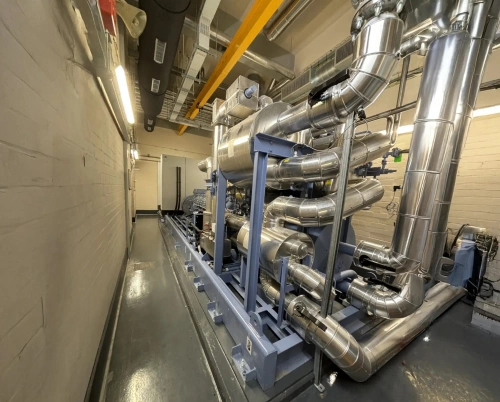
Advanced technologies include:
- Enhanced Vapor Injection (EVI)
- Inverter compressors
- Smart defrost systems
👉 Enable stable operation in extreme climates.
5.2 R290 Refrigerant (Future Standard)
| Refrigerant | GWP | Trend |
|---|---|---|
| R410A | High | Phasing out |
| R32 | Medium | Transitional |
| R290 | Ultra-low | Future mainstream |
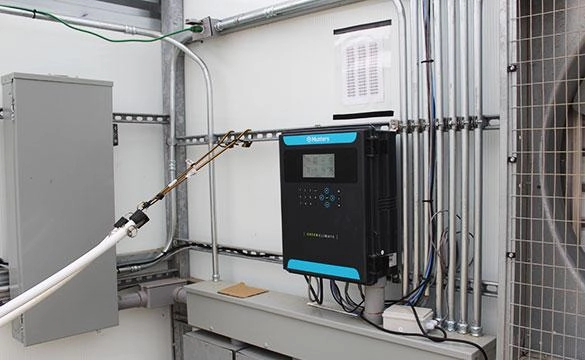
5.3 Smart Control & AI Optimization
- IoT-based monitoring
- AI-driven energy optimization
- Predictive maintenance
6. Application Scenarios
✔ Residential heating (EU & North America)
✔ Commercial buildings (hotels, offices)
✔ Industrial hot water
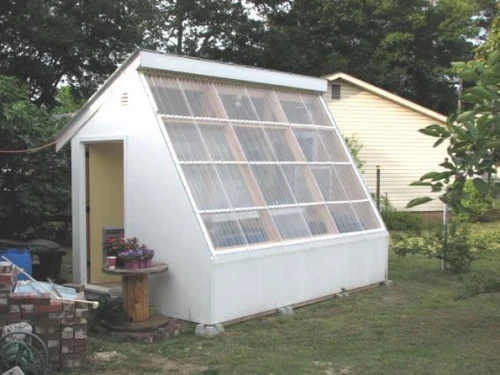
✔ Agricultural greenhouses
👉 Especially effective for greenhouse temperature control systems
7. Selection & Procurement Tips (For Importers & Distributors)
| Parameter | Recommendation |
|---|---|
| Ambient Temperature | Check low-temp performance |
| Heating Load | Accurate calculation required |
| Power Supply | Prefer 3-phase systems |
| Compressor Brand | Panasonic / Mitsubishi recommended |
| Certification | CE, ERP, KEYMARK |
8. Conclusion: Why You Should Invest in Heat Pumps Now
Air source heat pumps are not just HVAC equipment — they are part of a future energy ecosystem:
- Integrated with solar PV
- Compatible with energy storage systems
- Connected to smart grids
👉 The next 3–5 years will see explosive growth in global demand.