Proveedor de componentes electrónicos | Transformadores, Inductores, Inversores


1. Why Air Source Heat Pumps Are Leading the Global Energy Transition
As countries accelerate toward carbon neutrality, el Bomba de calor con fuente de aire (ASHP) has emerged as a key solution for replacing fossil-fuel-based heating systems.
Unlike traditional systems, ASHPs:
- Extract heat from ambient air
- Deliver 3–5 times more energy than they consume
- Proporcionar calefacción, enfriamiento, and hot water in one system
👉 This makes them highly attractive in Europe, América del norte, and the Middle East.
2. How an Air Source Heat Pump Works (Technical Breakdown)
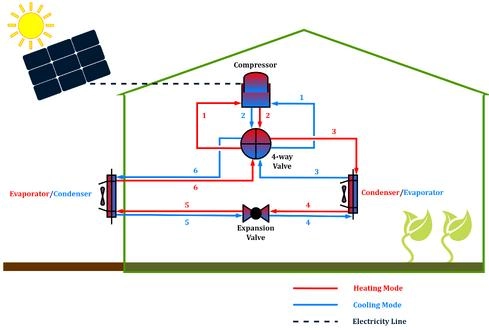
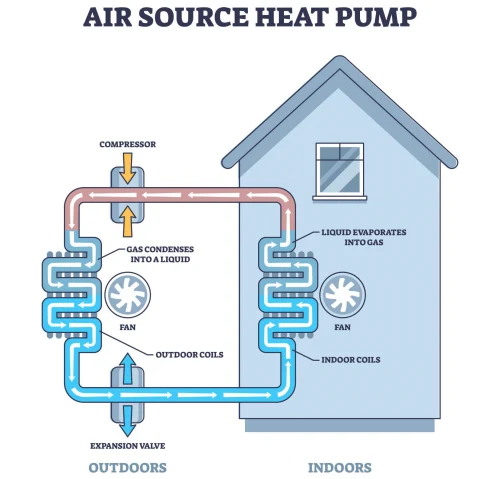
Air source heat pumps operate based on the reverse Carnot cycle using a vapor compression system.
Key Components:
| Componente | Función |
|---|---|
| Compressor | Increases refrigerant pressure and temperature |
| Evaporator | Absorbs heat from outdoor air |
| Condenser | Releases heat indoors |
| Expansion Valve | Controls refrigerant flow and pressure |
Working Process:
- Heat is absorbed from outdoor air via the evaporator
- Refrigerant evaporates and enters the compressor
- Temperature rises after compression
- Heat is released indoors through the condenser
👉 Key insight: Heat pumps transfer heat instead of generating it.
3. Key Performance Indicators (KPI) You Must Understand
3.1 POLICÍA (Coefficient of Performance)
| Condition | COP Range |
|---|---|
| Estándar (7°C) | 3.5 – 5.0 |
| Low Temp (-15°C) | 2.0 – 3.0 |
3.2 SCOP (Seasonal Efficiency)
More accurate for annual performance, widely used in Europe.
3.3 EER (Cooling Efficiency)
Used to evaluate cooling performance.
4. Heat Pump vs Traditional Heating Systems
| Factor | Bomba de calor | Gas Boiler | Electric Heater |
|---|---|---|---|
| Eficiencia | ⭐⭐⭐⭐⭐ | ⭐⭐⭐ | ⭐ |
| Carbon Emissions | Bajo | Medio | Alto |
| Operating Cost | Bajo | Medio | Alto |
| Seguridad | Alto | Medio | Alto |
👉 Conclusión: Heat pumps offer the best long-term ROI.
5. 2026 Technology Trends in Air Source Heat Pumps
5.1 Ultra-Low Temperature Operation (-30°C)
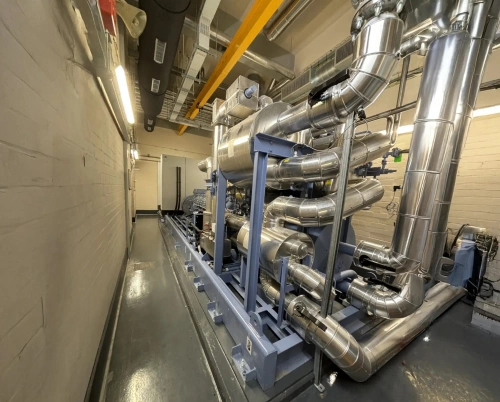
Advanced technologies include:
- Enhanced Vapor Injection (EVI)
- Inverter compressors
- Smart defrost systems
👉 Enable stable operation in extreme climates.
5.2 R290 Refrigerant (Future Standard)
| Refrigerante | GWP | Tendencia |
|---|---|---|
| R410A | Alto | Phasing out |
| R32 | Medio | Transitional |
| R290 | Ultra-low | Future mainstream |
5.3 Smart Control & AI Optimization
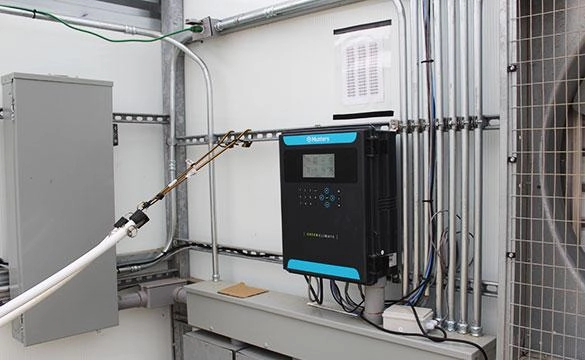
- IoT-based monitoring
- AI-driven energy optimization
- Mantenimiento predictivo
6. Application Scenarios
✔ Residential heating (EU & América del norte)
✔ Commercial buildings (hoteles, oficinas)
✔ Industrial hot water
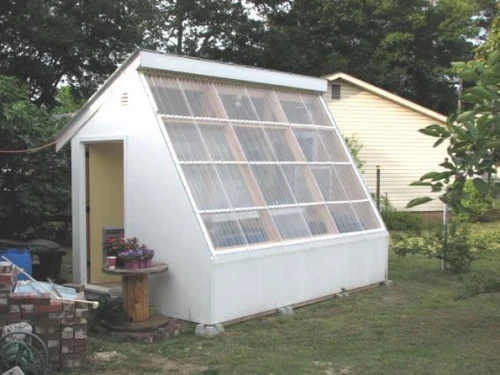
✔ Agricultural greenhouses
👉 Especially effective for greenhouse temperature control systems
7. Selección & Procurement Tips (For Importers & Distribuidores)
| Parámetro | Recommendation |
|---|---|
| Temperatura ambiente | Check low-temp performance |
| Heating Load | Accurate calculation required |
| Fuente de alimentación | Prefer 3-phase systems |
| Compressor Brand | Panasonic / Mitsubishi recommended |
| Proceso de dar un título | CE, ERP, KEYMARK |
8. Conclusión: Why You Should Invest in Heat Pumps Now
Air source heat pumps are not just HVAC equipment — they are part of a future energy ecosystem:
- Integrated with solar PV
- Compatible with energy storage systems
- Connected to smart grids
👉 The next 3–5 years will see explosive growth in global demand.
PUBLICACIONES RELACIONADAS
Fabricación y reciclaje ecológicos: El camino del desarrollo sostenible de la industria de los transformadores

La aparamenta de compensación de capacitores de alto y bajo voltaje juega un papel crucial en el sistema de energía., ayudando al funcionamiento eficiente de la red eléctrica
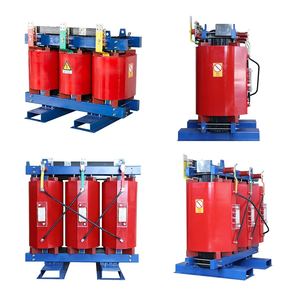
Análisis de la tecnología de transformadores y tendencias de desarrollo en aplicaciones.

Selección y Tendencias Técnicas de Transformadores para Sistemas Fotovoltaicos: Un análisis en profundidad desde la aplicación de ingeniería y las perspectivas del mercado
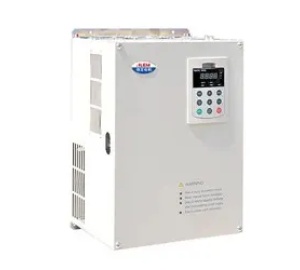
La guía definitiva para convertidores de frecuencia 2024: Cómo convertir Hertz para aplicaciones globales