


ইলেকট্রনিক উপাদান সরবরাহকারী | ট্রান্সফরমার, ইন্ডাক্টর, ইনভার্টার


কম ভোল্টেজ ট্রান্সফরমার: আধুনিক বৈদ্যুতিক সিস্টেমে প্রয়োজনীয় উপাদান
ভূমিকা
Low voltage transformers are critical components in electrical power distribution, stepping down voltage levels to ensure safe and efficient operation of various devices and systems. Typically handling voltages below1,000ভি (1কেভি), these transformers are widely used in residential, বাণিজ্যিক, এবং শিল্প অ্যাপ্লিকেশন. Their primary function is to convert high-voltage electricity into lower, usable voltages while maintaining electrical isolation and system stability.
এই নিবন্ধটি অন্বেষণকাজের নীতি, প্রকার, অ্যাপ্লিকেশন, and key benefits of low voltage transformers, highlighting their importance in modern electrical infrastructure.

Working Principle of Low Voltage Transformers
Transformers operate on the principle ofইলেক্ট্রোম্যাগনেটিক আনয়ন, as formulated byMichael Faraday. A low voltage transformer consists of two main components:
প্রাইমারি উইন্ডিং – Connected to the high-voltage input source.
সেকেন্ডারি উইন্ডিং – Delivers the stepped-down voltage to the load.
When an alternating current (এসি) flows through the primary winding, it generates amagnetic flux in the transformer core. This flux induces a voltage in the secondary winding, proportional to theবাঁক অনুপাত (N₁/N₂). যেমন, ক10:1 বাঁক অনুপাত means that a240V input will produce a24V output.
Key features of low voltage transformers include:
আলাদা করা: Prevents direct electrical contact between input and output, enhancing safety.
কর্মদক্ষতা: Modern transformers achieve95-99% দক্ষতা, minimizing energy losses.
Voltage Regulation: Maintains stable output voltage despite input fluctuations.
লো ভোল্টেজ ট্রান্সফরমারের প্রকারভেদ
Low voltage transformers come in various designs, each suited for specific applications:
1. Single-Phase Transformers
ব্যবহার করা হয়residential and small commercial settings.
Common output voltages: 120ভি, 240ভি, 480ভি.
অ্যাপ্লিকেশন: লাইটিং, HVAC সিস্টেম, household appliances.
2. তিন-ফেজ ট্রান্সফরমার
জন্য ডিজাইন করা হয়েছেindustrial and high-power environments.
Provides balanced power for motors, যন্ত্রপাতি, এবং ডেটা সেন্টার.
Typical configurations: Delta (Δ) and Wye (Y) সংযোগ.
3. Isolation Transformers
প্রদান করেelectrical separation between circuits for safety.
Used in medical equipment, laboratories, and sensitive electronics.
4. Autotransformers
Single-winding design with atapped connection for variable output.
More compact and cost-effective but lacks full isolation.
5. Control Transformers
ব্যবহার করা হয়industrial control circuits (যেমন, পিএলসি, রিলে).
Typically provides24ভি, 48ভি, or 120V for safe control operations.
6. Dry-Type vs. Oil-Cooled Transformers
শুষ্ক-টাইপ: Air-cooled, safer for indoor use (যেমন, ভবন, হাসপাতাল).
Applications of Low Voltage Transformers
Low voltage transformers play a vital role in multiple sectors:
1. Residential & Commercial Use
পাওয়ার ডিস্ট্রিবিউশন: Steps down grid voltage (যেমন, 11kV to 240V/120V) for homes and offices.
Lighting Systems: Low-voltage LED and halogen lighting (12V/24V).
HVAC Systems: Powers thermostats, নিয়ন্ত্রণ প্যানেল, and motors.
2. শিল্প অ্যাপ্লিকেশন
Motor Control: Supplies safe voltage to industrial motors and drives.
Machinery: Used in CNC machines, পরিবাহক সিস্টেম, and robotics.
নবায়নযোগ্য শক্তি: Integrates solar/wind power into low-voltage grids.
3. ইলেকট্রনিক্স & টেলিযোগাযোগ
পাওয়ার সাপ্লাই: Converts AC to DC for computers, সার্ভার, and telecom equipment.
মেডিকেল ডিভাইস: Ensures safe power for MRI machines, X-ray systems, and patient monitors.
কম ভোল্টেজ ট্রান্সফরমারের সুবিধা
উন্নত নিরাপত্তা – Reduces risk of electric shock and fire hazards.
শক্তি দক্ষতা – Minimizes power losses compared to high-voltage systems.
কমপ্যাক্ট & লাইটওয়েট – Suitable for confined spaces (যেমন, নিয়ন্ত্রণ প্যানেল).
Reliable Voltage Regulation – Protects sensitive equipment from surges.
Cost-Effective Maintenance – Dry-type transformers require minimal upkeep.
উপসংহার
Low voltage transformers are indispensable in modern electrical systems, ensuring safe and efficient power distribution across residential, বাণিজ্যিক, এবং শিল্প অ্যাপ্লিকেশন. মধ্যে অগ্রগতি সঙ্গেenergy-efficient designs and smart grid integration, these transformers continue to evolve, supporting the growing demand for reliable and sustainable electricity.
জন্য কিনাআলো, যন্ত্রপাতি, বা পুনর্নবীকরণযোগ্য শক্তি সিস্টেম, selecting the right low voltage transformer is crucial for optimal performance and safety. As technology progresses, innovations likeIoT-enabled transformers এবংeco-friendly cooling methods will further enhance their role in the future of power distribution.
Key Takeaways
Low voltage transformers convert high-voltage AC to safer, usable levels.
Common types includeএকক-ফেজ, তিন-পর্যায়, আলাদা করা, and control transformers.
Applications range fromhousehold electricity to industrial automation.
Benefits includeনিরাপত্তা, দক্ষতা, and reliable voltage regulation.
By understanding their functions and applications, engineers and technicians can make informed decisions when integrating these essential devices into electrical systems.
সম্পর্কিত পোস্ট

ভবিষ্যত শক্তি: খনির বিদ্যুতায়ন এবং স্থায়িত্ব
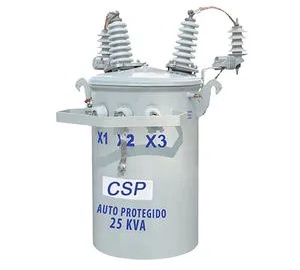
পুনর্নবীকরণযোগ্য একত্রীকরণের চূড়ান্ত গাইড: একটি টেকসই ভবিষ্যৎ শক্তি প্রদান
পাওয়ার ট্রান্সফরমার বনাম. ডিস্ট্রিবিউশন ট্রান্সফরমার: দ্য আনসাং হিরোস অফ দ্য মডার্ন গ্রিড

একটি দ্রুত পুনরুদ্ধার ডায়োড ডিভাইসের দক্ষতা কীভাবে ডিজাইন এবং অপ্টিমাইজ করবেন
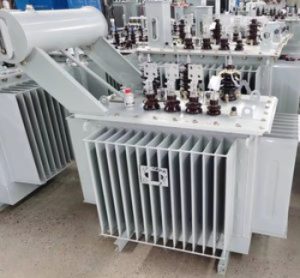
তেল নিমজ্জিত ট্রান্সফরমার গভীর বিশ্লেষণ: কাঠামোগত নীতি, প্রযুক্তিগত সুবিধা, এবং গ্লোবাল অ্যাপ্লিকেশন ট্রেন্ডস (2026 সংস্করণ)
