電子部品サプライヤー | トランスフォーマー, インダクタ, インバータ


低圧変圧器: 最新の電気システムの必須コンポーネント
導入
Low voltage transformers are critical components in electrical power distribution, stepping down voltage levels to ensure safe and efficient operation of various devices and systems. Typically handling voltages below1,000V (1kV), these transformers are widely used in residential, コマーシャル, および産業用途. Their primary function is to convert high-voltage electricity into lower, usable voltages while maintaining electrical isolation and system stability.
この記事では、動作原理, 種類, アプリケーション, and key benefits of low voltage transformers, highlighting their importance in modern electrical infrastructure.

Working Principle of Low Voltage Transformers
Transformers operate on the principle of電磁誘導, as formulated byMichael Faraday. A low voltage transformer consists of two main components:
一次巻線 – Connected to the high-voltage input source.
二次巻線 – Delivers the stepped-down voltage to the load.
When an alternating current (交流) flows through the primary winding, it generates amagnetic flux in the transformer core. This flux induces a voltage in the secondary winding, proportional to the巻数比 (N₁/N₂). 例えば, ある10:1 巻数比 means that a240V入力 will produce a24V出力.
Key features of low voltage transformers include:
分離: Prevents direct electrical contact between input and output, enhancing safety.
効率: Modern transformers achieve95-99% 効率, minimizing energy losses.
Voltage Regulation: Maintains stable output voltage despite input fluctuations.
低圧変圧器の種類
Low voltage transformers come in various designs, each suited for specific applications:
1. Single-Phase Transformers
Used inresidential and small commercial settings.
Common output voltages: 120V, 240V, 480V.
アプリケーション: 点灯, HVAC システム, 家庭用電化製品.
2. 三相変圧器
Designed forindustrial and high-power environments.
Provides balanced power for motors, 機械, およびデータセンター.
Typical configurations: デルタ (D) and Wye (Y) 接続.
3. 絶縁変圧器
提供しますelectrical separation between circuits for safety.
Used in medical equipment, 研究室, and sensitive electronics.
4. Autotransformers
Single-winding design with atapped connection for variable output.
More compact and cost-effective but lacks full isolation.
5. Control Transformers
Used inindustrial control circuits (例えば, PLC, リレー).
Typically provides24V, 48V, or 120V for safe control operations.
6. Dry-Type vs. Oil-Cooled Transformers
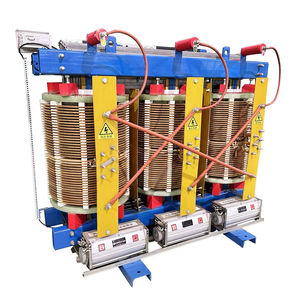
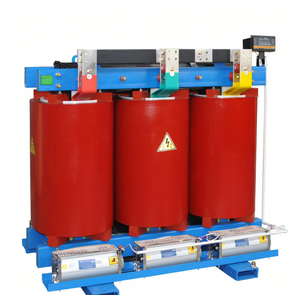
乾式タイプ: 空冷, safer for indoor use (例えば, 建物, 病院).
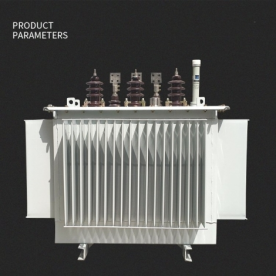
Oil-Cooled: Uses insulating oil for cooling, .
Applications of Low Voltage Transformers
Low voltage transformers play a vital role in multiple sectors:
1. Residential & Commercial Use
Power Distribution: Steps down grid voltage (例えば, 11kV to 240V/120V) for homes and offices.
Lighting Systems: Low-voltage LED and halogen lighting (12V/24V).
HVAC Systems: Powers thermostats, control panels, とモーター.
2. 産業用途
Motor Control: Supplies safe voltage to industrial motors and drives.
機械: Used in CNC machines, コンベアシステム, and robotics.
再生可能エネルギー: Integrates solar/wind power into low-voltage grids.
3. エレクトロニクス & Telecommunications
電源: Converts AC to DC for computers, servers, and telecom equipment.
Medical Devices: Ensures safe power for MRI machines, X-ray systems, and patient monitors.
低圧変圧器の利点
安全性の強化 – Reduces risk of electric shock and fire hazards.
エネルギー効率 – Minimizes power losses compared to high-voltage systems.
コンパクト & 軽量 – Suitable for confined spaces (例えば, control panels).
Reliable Voltage Regulation – Protects sensitive equipment from surges.
Cost-Effective Maintenance – Dry-type transformers require minimal upkeep.
結論
Low voltage transformers are indispensable in modern electrical systems, ensuring safe and efficient power distribution across residential, コマーシャル, および産業用途. の進歩により、energy-efficient designs and smart grid integration, these transformers continue to evolve, supporting the growing demand for reliable and sustainable electricity.
Whether for点灯, 機械, or renewable energy systems, selecting the right low voltage transformer is crucial for optimal performance and safety. As technology progresses, innovations likeIoT-enabled transformers そしてeco-friendly cooling methods will further enhance their role in the future of power distribution.
Key Takeaways
Low voltage transformers convert high-voltage AC to safer, usable levels.
Common types includesingle-phase, 三相, 分離, and control transformers.
Applications range fromhousehold electricity to industrial automation.
Benefits include安全性, 効率, and reliable voltage regulation.
By understanding their functions and applications, engineers and technicians can make informed decisions when integrating these essential devices into electrical systems.