Lieferant elektronischer Komponenten | Transformatoren, Induktoren, Wechselrichter


1. Was ist Agri-PV und warum wächst sie schnell??
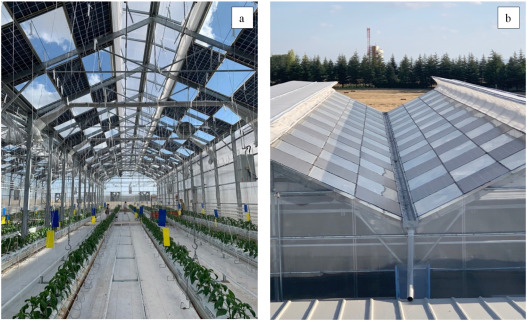
Agrar-PV—also known as agrivoltaic systems or dual-use solar farming—refers to the simultaneous use of land for photovoltaic power generation and agricultural production.
Unlike conventional ground-mounted solar plants, agrivoltaics integrates:
- Elevated PV structures
- Controlled shading strategies
- Crop-specific light management
- Agricultural compatibility engineering
In 2026, agrivoltaics is becoming one of the fastest-growing distributed energy segments due to:
- Increasing land-use conflicts
- Climate change adaptation needs
- Water scarcity pressures
- Government decarbonization policies
2. Core Engineering Structure of Agrivoltaic Systems
Agrivoltaics is not simply “solar panels above crops.” It requires structural and agricultural coordination.
2.1 System Components
| Komponente | Technical Role | Key Parameters |
|---|---|---|
| Elevated Mounting Structure | Allows machinery access | Height 2.5m–4.5m |
| PV Modules | Power generation + shading control | 30–50% light transmittance (optional) |
| Wechselrichter | Grid integration | IP65+ |
| Monitoring System | Boden & microclimate tracking | IoT-fähig |
| Optional Energy Storage | Farm load balancing | Lithium or flow battery |
2.2 Elevated Design Logic
Key design principles:
- Maintain tractor accessibility
- Optimize row spacing (6–12m typical)
- Control shading ratio (20–40%)
- Ensure wind load resistance (≥35 m/s in many regions)
Compared with traditional ground-mounted systems, agrivoltaics structures are 15–25% more expensive but significantly increase land productivity.
3. Crop Performance Under Partial Shading
One common misconception is that shading reduces yield. In hot and arid regions, moderate shading can improve productivity.
Microclimate Effects
- Surface temperature reduction: 2–4°C
- Evaporation reduction: 15–25 %
- Improved soil moisture retention
Crop Compatibility Overview
| Crop Type | Recommended Shading | Yield Impact | Ideal Regions |
|---|---|---|---|
| Leafy Greens | 30–40% | +5–15% | Arid climates |
| Grapes | 20–30% | Quality improvement | Mediterranean |
| Wheat | <20% | Slight impact | Temperate |
| Pasture | 30% | Stable | Semi-arid |
Crop selection and shading control are critical engineering decisions.
4. Financial Model & ROI Considerations
Agrivoltaic revenue typically combines:
- Electricity sales
- Agricultural income
- Carbon credits (in some regions)
- Government incentives
Beispiel: 1 MW Agrivoltaic Project
- Annual generation: ~1.5 million kWh
- Electricity price: $0.08/kWh
- Annual power revenue: ~$120,000
If crop yield improves by 10–20%, total land revenue can exceed conventional solar projects by 25–60% depending on market conditions.
5. Global Market Trends (2026 Ausblick)
Europa
Policy-driven growth under climate and land-use regulations.
United States
Tax incentives under the Inflation Reduction framework accelerate dual-use systems.
Naher Osten
Agrivoltaics combined with greenhouse farming addresses water scarcity.
Asia-Pacific
Rural electrification and land optimization drive distributed projects.
Agrivoltaics is evolving from pilot projects to scalable infrastructure.
6. Technical Challenges & Solutions
| Challenge | Engineering Solution |
|---|---|
| Higher structural cost | Lightweight steel optimization |
| Complex O&M | Fernüberwachungssysteme |
| Crop-light balance | Adjustable tilt systems |
| Windwiderstand | Reinforced foundations |
Abschluss
Agrivoltaics represents a structural shift in how land, Energie, and agriculture interact. It is no longer just a renewable energy concept but an integrated land productivity strategy.
In the coming decade, dual-use solar systems are expected to become a key component of sustainable farming and distributed energy infrastructure worldwide.
Luoyang Datang Energy Technology Co., Ltd. ist ein High-Tech-Unternehmen, das R integriert&D, Herstellung und Lieferung von Energieanlagen wie Transformatoren, neue Energiekomponenten, Verteilerschränke und Wechselrichter. Mit technologischer Innovation als Kern, Wir konzentrieren uns auf die Entwicklung hochzuverlässiger und leistungsstarker Stromversorgungslösungen für globale Kunden. Mit einem strengen Qualitätskontrollsystem und internationaler Standardzertifizierung, Wir stellen weiterhin hervorragende Produkte her und ermöglichen unseren Kunden den Aufbau sicherer und stabiler Energiesysteme.
VERWANDTE BEITRÄGE
Wie können Luftwärmepumpen die Heizkosten im Haushalt senken? 50% -75%?
Dreiphasen-Verteilungstransformatoren: Der 2024 Ultimativer Kaufratgeber
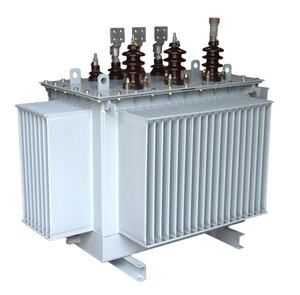
Häufige Fehler und Schutztechnologieanalyse von Öltransformatoren: von Teilentladungen bis hin zu Kurzschlussunfällen
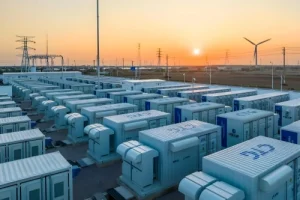
Warum wird die Energiespeicherung in Industrie und Gewerbe immer beliebter?? Analyse des neuen Trends der Unternehmenskostensenkung in 2025
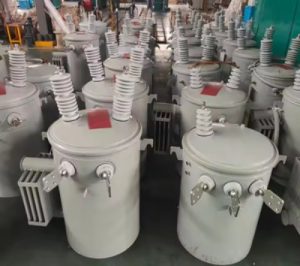
Wie hält der Mangel an Transformatoren KI und Musk im Nacken??