電子部品サプライヤー | トランスフォーマー, インダクタ, インバータ


1. アグリボルタクスとは何か、なぜ急速に成長しているのか?
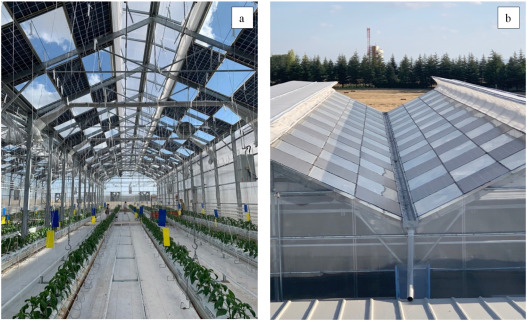
アグリボルタティクス—農業システムまたは二重用途太陽光発電とも呼ばれる—太陽光発電と農業生産のために土地を同時に使用することを指します。.
従来の地上設置型太陽光発電所とは異なります。, アグリボルタクスの統合:
- 高架型太陽光発電構造物
- 制御されたシェーディング戦略
- 作物特有の光管理
- 農業適合性工学
で 2026, アグリボルタクスは、次のような理由により、最も急速に成長している分散型エネルギー分野の 1 つになりつつあります。:
- 土地利用紛争の増加
- 気候変動への適応ニーズ
- 水不足の圧力
- 政府の脱炭素化政策
2. 農業システムのコアエンジニアリング構造
アグリボルタティクスは、単に「作物の上に設置された太陽光パネル」ではありません。構造と農業の調整が必要.
2.1 システムコンポーネント
| 成分 | 技術的な役割 | 主要なパラメータ |
|---|---|---|
| 高架取付構造 | 機械へのアクセスを許可します | 高さ 2.5m~4.5m |
| 太陽光発電モジュール | 発電 + シェーディング制御 | 30–50%の光透過率 (オプション) |
| インバータ | 系統統合 | IP65+ |
| 監視システム | 土壌 & 微気候追跡 | IoT対応 |
| オプションのエネルギー貯蔵 | ファームの負荷分散 | リチウムまたはフロー電池 |
2.2 高度な設計ロジック
主要な設計原則:
- トラクターのアクセシビリティを維持する
- 行間隔を最適化する (6–12m(標準))
- シェーディング率の制御 (20–40%)
- 耐風荷重を確保 (多くの地域で ≥35 m/s)
従来の地上設置システムとの比較, 農業用発電施設は 15 ~ 25% 高価ですが、土地の生産性が大幅に向上します.
3. 部分的な遮光下での作物性能
よくある誤解の 1 つは、シェーディングにより収量が低下するということです。. 暑くて乾燥した地域では, 適度なシェーディングで生産性が向上します.
微気候の影響
- 表面温度の低下: 2–4℃
- 蒸発の減少: 15–25%
- 土壌水分保持力の向上
作物の互換性の概要
| 作物の種類 | 推奨シェーディング | 収量への影響 | 理想的な領域 |
|---|---|---|---|
| 葉物野菜 | 30–40% | +5–15% | 乾燥気候 |
| ブドウ | 20–30% | 品質向上 | 地中海料理 |
| 小麦 | <20% | 軽度の衝撃 | 温帯 |
| 牧草地 | 30% | 安定した | 半乾燥地帯 |
作物の選択と遮光制御は重要なエンジニアリング上の決定です.
4. 財務モデル & ROI に関する考慮事項
アグリボルタの収益は通常、次の組み合わせになります。:
- 電力販売
- 農業収入
- カーボンクレジット (一部の地域では)
- 政府の奨励金
例: 1 MWアグリボルタプロジェクト
- 年間生成: ~150万kWh
- 電気料金: $0.08/kWh
- 年間電力収入: ~120,000ドル
作物の収量が10~20%向上した場合, 市場の状況に応じて、総土地収益は従来の太陽光発電プロジェクトを 25 ~ 60% 上回る可能性があります.
5. 世界市場の動向 (2026 見通し)
ヨーロッパ
気候と土地利用規制の下での政策主導の成長.
米国
インフレ抑制枠組みに基づく税制優遇措置によりデュアルユース制度が加速.
中東
アグリボルタックスと温室農業を組み合わせて水不足に対処する.
アジア太平洋地域
地方の電化と土地の最適化が分散型プロジェクトを推進.
アグリボルタクスはパイロット プロジェクトから拡張可能なインフラストラクチャへと進化しています.
6. 技術的な課題 & ソリューション
| チャレンジ | エンジニアリングソリューション |
|---|---|
| 構造コストが高い | 軽量スチールの最適化 |
| コンプレックスO&M | 遠隔監視システム |
| クロップとライトのバランス | 調整可能なチルトシステム |
| 耐風性 | 強化された基礎 |
結論
アグリボルタクスは土地のあり方の構造的変化を表す, エネルギー, と農業の相互作用. それはもはや単なる再生可能エネルギーの概念ではなく、統合された土地生産性戦略です.
これからの10年に, 二重用途の太陽光発電システムは、世界中の持続可能な農業と分散型エネルギーインフラの重要な要素となることが期待されています.
洛陽大唐エネルギー技術有限公司. Rを統合したハイテク企業です&D, 変圧器などの電力機器の製造・供給, 新しいエネルギー成分, 配電盤とインバータ. 技術革新を核に, 私たちは、世界中の顧客にサービスを提供するために、高信頼性と高性能の電源ソリューションの開発に注力しています。. 厳格な品質管理システムと国際規格認証を取得しています。, これからも優れた製品を世に送り出し、お客様の安全・安定した電力システムの構築をお手伝いします.