Elektronesch Komponente Fournisseur | Transformers, Induktoren, Inverters


1. Wat ass Agrivoltaics a firwat wuesse se séier?
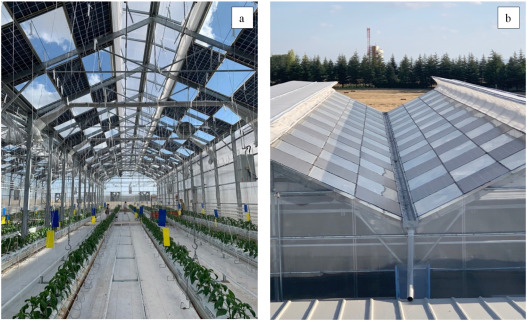
Agrivoltaik—also known as agrivoltaic systems or dual-use solar farming—refers to the simultaneous use of land for photovoltaic power generation and agricultural production.
Unlike conventional ground-mounted solar plants, agrivoltaics integrates:
- Elevated PV structures
- Controlled shading strategies
- Crop-specific light management
- Agricultural compatibility engineering
An 2026, agrivoltaics is becoming one of the fastest-growing distributed energy segments due to:
- Increasing land-use conflicts
- Climate change adaptation needs
- Water scarcity pressures
- Government decarbonization policies
2. Core Engineering Structure of Agrivoltaic Systems
Agrivoltaics is not simply “solar panels above crops.” It requires structural and agricultural coordination.
2.1 System Components
| Komponent | Technical Role | Schlëssel Parameteren |
|---|---|---|
| Elevated Mounting Structure | Allows machinery access | Height 2.5m–4.5m |
| PV Modules | Power generation + shading control | 30–50% light transmittance (fakultativ) |
| Inverters | Grid integration | IP65+ |
| Monitoring System | Buedem & microclimate tracking | IoT-enabled |
| Optional Energy Storage | Farm load balancing | Lithium or flow battery |
2.2 Elevated Design Logic
Key design principles:
- Maintain tractor accessibility
- Optimize row spacing (6–12m typical)
- Control shading ratio (20-40%)
- Ensure wind load resistance (≥35 m/s in many regions)
Compared with traditional ground-mounted systems, agrivoltaics structures are 15–25% more expensive but significantly increase land productivity.
3. Crop Performance Under Partial Shading
One common misconception is that shading reduces yield. In hot and arid regions, moderate shading can improve productivity.
Microclimate Effects
- Surface temperature reduction: 2–4°C
- Evaporation reduction: 15-25%
- Improved soil moisture retention
Crop Compatibility Overview
| Crop Type | Recommended Shading | Yield Impact | Ideal Regions |
|---|---|---|---|
| Leafy Greens | 30-40% | +5–15% | Arid climates |
| Grapes | 20-30% | Quality improvement | Mediterranean |
| Wheat | <20% | Slight impact | Temperate |
| Pasture | 30% | Stable | Semi-arid |
Crop selection and shading control are critical engineering decisions.
4. Financial Model & ROI Considerations
Agrivoltaic revenue typically combines:
- Electricity sales
- Agricultural income
- Carbon credits (in some regions)
- Government incentives
Beispill: 1 MW Agrivoltaic Project
- Annual generation: ~1.5 million kWh
- Electricity price: $0.08/kWh
- Annual power revenue: ~$120,000
If crop yield improves by 10–20%, total land revenue can exceed conventional solar projects by 25–60% depending on market conditions.
5. Global Market Trends (2026 Outlook)
Europa
Policy-driven growth under climate and land-use regulations.
United States
Tax incentives under the Inflation Reduction framework accelerate dual-use systems.
Mëttleren Osten
Agrivoltaics combined with greenhouse farming addresses water scarcity.
Asia-Pacific
Rural electrification and land optimization drive distributed projects.
Agrivoltaics is evolving from pilot projects to scalable infrastructure.
6. Technesch Erausfuerderungen & Léisungen
| Challenge | Engineering Solution |
|---|---|
| Higher structural cost | Lightweight steel optimization |
| Complex O&M | Remote Iwwerwachung Systemer |
| Crop-light balance | Adjustable tilt systems |
| Wind resistance | Reinforced foundations |
Conclusioun
Agrivoltaics represents a structural shift in how land, energy, and agriculture interact. It is no longer just a renewable energy concept but an integrated land productivity strategy.
In the coming decade, dual-use solar systems are expected to become a key component of sustainable farming and distributed energy infrastructure worldwide.
Luoyang Datang Energy Technology Co., Ltd. ass eng High-Tech Entreprise déi R&D, Fabrikatioun a Versuergung vu Kraaftausrüstung wéi Transformatoren, nei Energiekomponenten, Verdeelung cabinets an inverters. Mat technologescher Innovatioun als Kär, mir konzentréieren op eng schafen héich-Zouverlässegkeet an héich-Performance Muecht Léisungen global Clienten ze déngen. Mat engem strenge Qualitéitskontrollsystem an international Standard Zertifizéierung, mir weider excellent Produiten eraus an erlaben Clienten sécher a stabil Muecht Systemer ze bauen.
RELATED POSTS
Voll Analyse vun Ueleg Taucht Transformatoren Technologie: strukturell Prinzipien, Kär Virdeeler, a global Applikatioun Trends
Single Phase vs Dräi Phase Pole Montéiert Transformator: E Auswiel Guide (Wéi wielen)
Gas Relais: Den Onbesonnten Held deen Transformer Katastrophen verhënnert
D'Aarbechtsprinzip an d'Applikatiounsfelder vum Stroumtransformator
Firwat gëtt industriell a kommerziell Energielagerung ëmmer méi populär? Analyse vum Neien Trend vun der Enterprise Cost Reduction in 2025