


Fournisseur de composants électroniques | Transformateurs, Inducteurs, Onduleurs


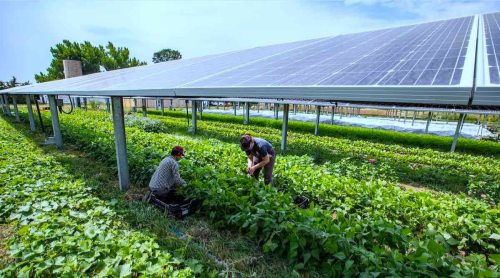
1. From Solar Farms to Solar-Powered Farms
Traditional solar plants occupy land exclusively for energy generation. Systèmes agrivoltaïques transform that model into dual productivity infrastructure.
La tendance future est:
Agriculture + Solar + Stockage + Gestion intelligente de l'énergie
2. Three Main Agrivoltaic Structural Models
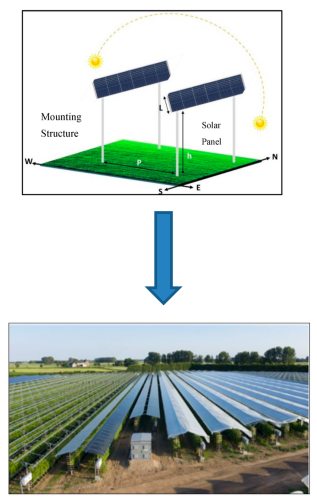
2.1 Fixed Elevated Structure
- Simple design
- Lower CAPEX
- Stable performance
2.2 Adjustable Tilt System
- Seasonal light optimization
- Better crop control
- Higher mechanical complexity
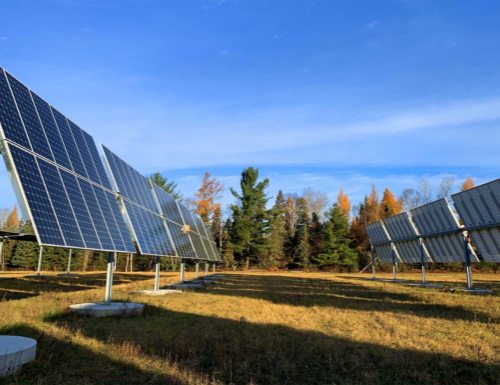
2.3 Tracking Agrivoltaic System
- 10–20% higher energy yield
- Dynamic shading management
- Advanced control systems required
Tracking systems represent the next engineering phase of agrivoltaics.
3. Agrivoltaïque + Stockage d'énergie + Farm Microgrid
Future-ready agrivoltaic projects increasingly integrate storage and smart farm loads.
Farm Microgrid Architecture
| Composant | Fonction |
|---|---|
| PV Array | Electricity generation |
| Battery Storage | Peak shaving & backup |
| Hybrid Inverter | Grid/off-grid switching |
| Agricultural Loads | Irrigation pumps, chambre froide |
| SME | Intelligent dispatch |
This configuration is particularly suitable for:
- Remote agricultural regions
- Water-intensive greenhouse operations
- Areas with unstable grid access
4. Engineering Design Parameters
- Structural lifespan: ≥25 years
- Corrosion rating: C4/C5 for harsh climates
- Minimum machinery clearance: ≥6m lane spacing
- Wind resistance: Region-specific compliance
Agrivoltaic design requires cross-disciplinary coordination between civil, électrique, and agricultural engineers.
5. Commercial Viability
Compared with standard ground-mounted PV:
| Metric | Conventional Solar | Agrivoltaïque |
|---|---|---|
| Land Productivity | Single-use | Dual-use |
| CAPEX | Inférieur | 15–25% higher |
| Revenue Streams | Electricity only | Electricity + Agriculture |
| ESG Value | Modéré | Haut |
For investors and EPC contractors, agrivoltaics improves land ROI and ESG positioning.
6. Future Development Trends
- AI-based shading control
- Semi-transparent PV modules
- Carbon market integration
- Smart irrigation linkage
- Hybrid greenhouse systems
Agrivoltaics is transitioning from experimental installations to standardized commercial models.
Conclusion
Agrivoltaic systems are redefining how energy and agriculture coexist. By combining structural innovation, smart energy management, and agricultural science, dual-use solar infrastructure offers a scalable pathway toward sustainable food and energy production.
Luoyang Datang Energy Technology Co., Ltd. est une entreprise de haute technologie intégrant R&D, fabrication et fourniture d'équipements électriques tels que des transformateurs, nouveaux composants énergétiques, armoires de distribution et onduleurs. With technological innovation as the core, we focus on creating high-reliability and high-performance power solutions to serve global customers. With a strict quality control system and international standard certification, we continue to output excellent products and enable customers to build safe and stable power systems.
ARTICLES CONNEXES
Choosing the best solar inverter system for your home
Analyse complète du principe de fonctionnement du relais à gaz: le “première ligne de défense” pour les défauts internes des transformateurs immergés dans l'huile

Quels facteurs affectent le prix de l'onduleur solaire hors réseau
Analyse de cas d'application du module Ideal Diode dans la protection des circuits et le traitement du signal
Coût du transformateur de courant: Facteurs, Tendances, et guide d'achat
