Elektronesch Komponente Fournisseur | Transformers, Induktoren, Inverters


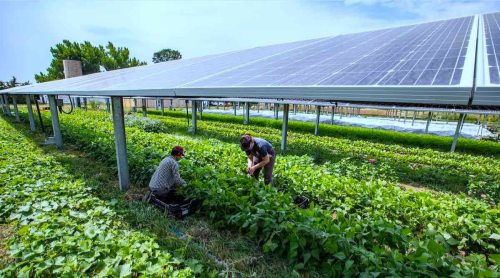
1. From Solar Farms to Solar-Powered Farms
Traditional solar plants occupy land exclusively for energy generation. Agrivoltaic systems transform that model into dual productivity infrastructure.
Den zukünftegen Trend ass:
Landwirtschaft + Solar + Stockage + Smart Energie Management
2. Three Main Agrivoltaic Structural Models
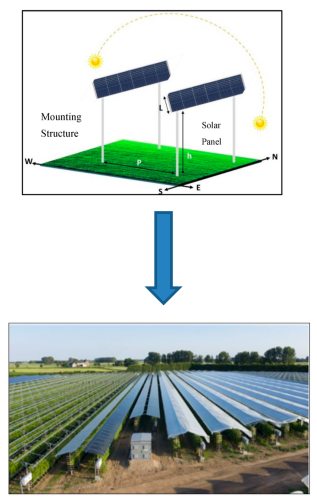
2.1 Fixed Elevated Structure
- Simple design
- Lower CAPEX
- Stable performance
2.2 Adjustable Tilt System
- Seasonal light optimization
- Better crop control
- Higher mechanical complexity
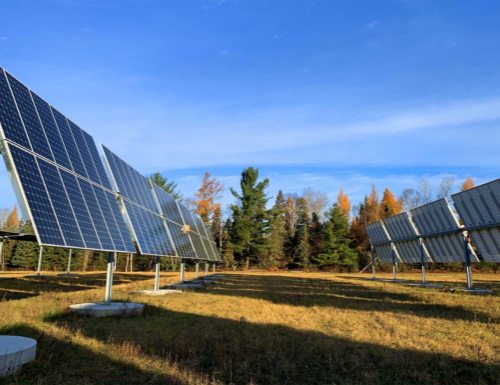
2.3 Tracking Agrivoltaic System
- 10–20% higher energy yield
- Dynamic shading management
- Advanced control systems required
Tracking systems represent the next engineering phase of agrivoltaics.
3. Agrivoltaik + Energie Stockage + Farm Microgrid
Future-ready agrivoltaic projects increasingly integrate storage and smart farm loads.
Farm Microgrid Architecture
| Komponent | Funktioun |
|---|---|
| PV Array | Electricity generation |
| Batterie Stockage | Peak raséieren & backup |
| Hybrid Inverter | Grid/off-grid switching |
| Agricultural Loads | Irrigation pumps, kal Stockage |
| EMS | Intelligent dispatch |
This configuration is particularly suitable for:
- Remote agricultural regions
- Water-intensive greenhouse operations
- Areas with unstable grid access
4. Engineering Design Parameters
- Structural lifespan: ≥25 years
- Corrosion rating: C4/C5 for harsh climates
- Minimum machinery clearance: ≥6m lane spacing
- Wind resistance: Region-specific compliance
Agrivoltaic design requires cross-disciplinary coordination between civil, electrical, and agricultural engineers.
5. Commercial Viability
Compared with standard ground-mounted PV:
| Metric | Conventional Solar | Agrivoltaik |
|---|---|---|
| Land Productivity | Single-use | Dual-use |
| CAPEX | Ënneschten | 15–25% higher |
| Revenue Streams | Electricity only | Electricity + Landwirtschaft |
| ESG Value | Mëttelméisseg | Héich |
For investors and EPC contractors, agrivoltaics improves land ROI and ESG positioning.
6. Zukunft Entwécklung Trends
- AI-based shading control
- Semi-transparent PV modules
- Carbon market integration
- Smart irrigation linkage
- Hybrid greenhouse systems
Agrivoltaics is transitioning from experimental installations to standardized commercial models.
Conclusioun
Agrivoltaic systems are redefining how energy and agriculture coexist. By combining structural innovation, smart energy management, and agricultural science, dual-use solar infrastructure offers a scalable pathway toward sustainable food and energy production.
Luoyang Datang Energy Technology Co., Ltd. ass eng High-Tech Entreprise déi R&D, Fabrikatioun a Versuergung vu Kraaftausrüstung wéi Transformatoren, nei Energiekomponenten, Verdeelung cabinets an inverters. Mat technologescher Innovatioun als Kär, mir konzentréieren op eng schafen héich-Zouverlässegkeet an héich-Performance Muecht Léisungen global Clienten ze déngen. Mat engem strenge Qualitéitskontrollsystem an international Standard Zertifizéierung, mir weider excellent Produiten eraus an erlaben Clienten sécher a stabil Muecht Systemer ze bauen.
RELATED POSTS

How Thyristor Modules innovate?
Important progress has been made in research testing high-altitude UHV transformer AC bushings.
Trend Analyse vun héich Effizienz Transformers: Wéi Low Loss Technologies d'Zukunft vun der Industrie a Kraaftsystemer nei formen
Smart Landschaftsbeliichtungstransformator: Den Ultimate Guide fir 2024

How does the 100 amp thyristor improve efficiency in the industrial control field?