


Fournisseur de composants électroniques | Transformateurs, Inducteurs, Onduleurs


30 Transformateur kVA: Un guide technique complet
1. Introduction à 30 Transformateurs kVA
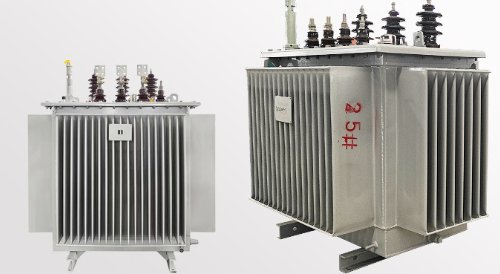
UN 30 kVA (kilovolt-ampère) Le transformateur est un transformateur de puissance de capacité moyenne largement utilisé dans les applications commerciales et industrielles. With its optimal balance of size and power handling capability, this transformer rating is particularly suitable for:
Small to medium-sized factories
Bâtiments commerciaux
Systèmes d'énergie renouvelable
Hospital and institutional power backup
2. Key Technical Specifications
2.1 Electrical Parameters
| Paramètre | Typical Value |
|---|---|
| Tension primaire | 480V/11kV/22kV |
| Tension secondaire | 120/208V/240V/480V |
| Fréquence | 50Hz/60 Hz |
| Efficacité | 96-98% |
| Impédance | 4-6% |
2.2 Physical Characteristics
Poids: 150-300 kilos (type sec), 250-400 kilos (oil-filled)
Dimensions: Environ. 600×500×700 mm (W×D×H)
Refroidissement: ONAN (huile) or AN (air) refroidissement
3. Common Types of 30 Transformateurs kVA
3.1 Transformateurs de type sec
Avantages:
Lower maintenance requirements
Fire-resistant (idéal pour les installations intérieures)
Environmentally friendly (no oil leakage risk)
Applications:
Centres commerciaux
Immeubles de bureaux
Centres de données
3.2 Transformateurs immergés dans l'huile
Avantages:
Better heat dissipation
Longer lifespan
More economical for outdoor use
Applications:
Installations industrielles
Sous-stations de services publics
Fermes d'énergie renouvelable
4. Installation Considerations
4.1 Site Requirements
Clearance: Minimum 1m around all sides
Foundation: Vibration-isolated concrete pad
Ventilation: Adequate airflow for cooling
Protection: Weatherproof enclosure for outdoor units
4.2 Electrical Connections
Primary side protection: HRC fuses or circuit breaker
Secondary side: Proper grounding (≤5Ω)
Cable sizing: Refer to IEC 60364-5-52 normes
5. Performance Characteristics
5.1 Capacité de charge
Continuous rating: 30 kVA at 40°C ambient
Overload capacity:
110% for 2 heures
125% for 1 hour
150% for 30 minutes
5.2 Losses Analysis
No-load losses: 150-300W
Load losses: 600-900W at full load
Total losses: Typiquement 1.5-2% of rated capacity
6. Exigences d'entretien
6.1 Transformateurs de type sec
Annual inspection checklist:
Visual inspection for dust accumulation
Tightness of connections
Insulation resistance measurement
Cooling fan operation check
6.2 Transformateurs immergés dans l'huile
Maintenance schedule:
Quarterly: Oil level inspection
Biannual: Oil quality testing (BDV, acidity)
Annual: Winding resistance measurement
5-year: Complete oil replacement
7. Analyse des coûts
7.1 Initial Investment
Type sec: $2,500-$4,000
Rempli d'huile: $1,800-$3,200
Additional costs:
Installation: $500-$1,000
Protective devices: $300-$800
7.2 Lifecycle Costs
Expected lifespan:
Type sec: 20-25 années
Rempli d'huile: 25-30 années
Energy losses cost: $150-$300/year (based on $0.12/kWh)
8. Specialized 30 kVA Variants
8.1 Solar Isolation Transformers
Caractéristiques:
Reinforced insulation
DC component rejection
150% overload capability
8.2 Medical Isolation Transformers
Key specifications:
Low leakage current (<0.5mA)
Special shielding
IT power system compatibility
9. Industry Standards Compliance
CEI 60076 (Transformateurs de puissance)
IEEE C57.12.00 (General requirements)
UL 506 (Specialty transformers)
DANS 61558 (Safety requirements)
10. Tendances futures
Smart monitoring integration:
Temperature sensors
Load monitoring
Alertes de maintenance prédictive
Improved materials:
Noyaux métalliques amorphes
High-temperature insulation
Conceptions compactes:
20% size reduction targets
Modular configurations
Conclusion
Le 30 kVA transformer represents an optimal solution for diverse power distribution needs, offering an excellent balance between capacity, physical size, et la rentabilité. When selecting a 30 unités kVA, engineers must carefully consider the application environment, load characteristics, and maintenance requirements to ensure optimal performance throughout the transformer's service life. With advancing technologies, modern 30 kVA transformers are becoming more efficient, intelligent, and adaptable to emerging power system requirements.
ARTICLES CONNEXES
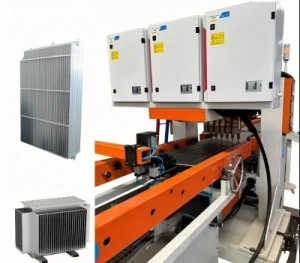
Transformateur Radiateur: Le héros méconnu qui maintient votre transformateur en vie

Transformateur immergé dans l'huile: le gardien d'une électricité stable dans le domaine des transports

Révolution de l’énergie solaire pilotée par l’IA: Comment l’intelligence artificielle transforme les systèmes photovoltaïques 2026

Huawei publie le haut 10 Tendances du photovoltaïque intelligent pour 2024

75 Transformateur kVA
