


Soláthraí Comhpháirteanna Leictreonacha | Claochladáin, Ionduchtóirí, Inverters


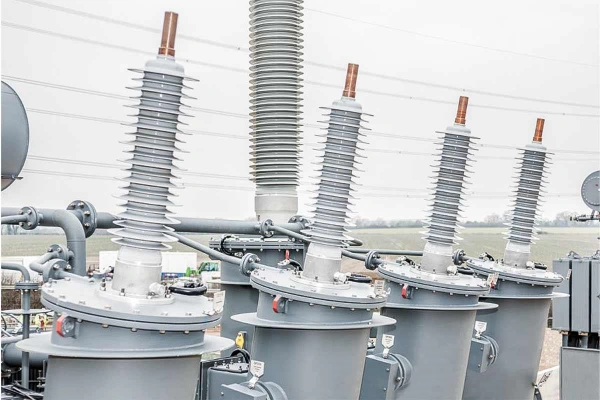
A transformer is designed to operate reliably for decades, but some components require more attention than others. Among all transformer accessories, bushings claochladán are among the most critical components because they provide the connections between the internal windings and the external power network.
Although a bushing looks like a simple insulating component, it actually performs several important functions:
- Carrying high-voltage current safely;
- Preventing electrical breakdown between conductor and transformer tank;
- Maintaining insulation performance under temperature, taise, and pollution conditions;
- Ensuring reliable operation of the transformer throughout its service life.
A damaged transformer bushing can lead to partial discharge, insulation failure, oil leakage, and even unexpected transformer shutdown.
For power utilities, gléasraí tionsclaíocha, agus tionscadail fuinnimh in-athnuaite, understanding transformer bushings is essential for proper selection and maintenance.
1. Cad is Trasfhoirmeoir Bushing?
A transformer bushing is an insulated device installed on the transformer tank that allows an electrical conductor to pass safely through the grounded enclosure.
Inside an oil immersed transformer, the winding is surrounded by transformer oil for insulation and cooling. Mar sin féin, the electrical connection must extend outside the transformer to connect with cables, barraí bus, or switchgear.
The transformer bushing creates a safe transition point:
Transformer winding → Internal conductor → Transformer bushing → External power connection
Without a suitable bushing, the high-voltage conductor would create excessive electrical stress and could cause insulation failure.
2. How Does a Transformer Bushing Work?
The main challenge of a transformer bushing is controlling the electric field around the high-voltage conductor.
High voltage creates strong electrical stress. If the stress is concentrated in one area, the insulation material may deteriorate over time.
Modern transformer bushings use multiple insulation layers and grading structures to distribute the electric field evenly.
The main components include:
| Comhpháirt | Feidhm |
|---|---|
| Central conductor | Transfers electrical current |
| Insulation layers | Provides electrical isolation |
| Capacitive grading layers | Controls voltage distribution |
| Porcelain or composite insulator | Provides external insulation |
| Mounting flange | Fixes bushing to transformer tank |
| Sealing system | Prevents oil and moisture leakage |
A high-quality bushing must maintain stable insulation performance during:
- Normal operation;
- Short circuit conditions;
- Temperature changes;
- Environmental exposure.
3. Main Types of Transformer Bushings
Different transformer applications require different bushing designs.
3.1 Oil Impregnated Paper (OIP) Bushings
Oil Impregnated Paper (OIP) bushings are widely used in traditional power transformers.
The insulation system consists of:
- Special insulating paper;
- Conductive grading layers;
- Ola trasfhoirmeoir.
Buntáistí:
- Proven technology;
- Stair oibriúcháin fhada;
- Suitable for medium and high voltage transformers.
OIP bushings are commonly used in:
- Claochladáin dáileacháin;
- Trasfhoirmeoirí cumhachta;
- Substation equipment.
Mar sin féin, they require regular inspection because oil aging and moisture can reduce insulation performance.
3.2 Resin Impregnated Paper (RIP) Bushings
RIP bushings use epoxy resin instead of oil as the main insulation material.
Buntáistí:
- Gan aon riosca sceitheadh ola;
- Lower maintenance requirement;
- Better environmental performance.
They are increasingly used in:
- Renewable energy substations;
- Modern power networks;
- High-voltage applications.
3.3 Porcelain vs Composite Bushings
The external insulation material is another important consideration.
| Gné | Porcelain Bushing | Composite Bushing |
|---|---|---|
| Mechanical strength | Ar fheabhas | Ar fheabhas |
| Weight | Heavy | Lightweight |
| Pollution resistance | Good | Better |
| Impact resistance | Íochtarach | Níos airde |
| Iompar | More difficult | Easier |
Composite bushings are becoming popular in coastal areas and regions with heavy pollution because of their excellent resistance to environmental conditions.
4. Common Transformer Bushing Failure Causes
Although transformer bushings are designed for long service life, several factors can cause failure.
4.1 Teacht isteach Taise
Moisture is one of the biggest threats to transformer insulation.
Cúiseanna coitianta:
- Aging seals;
- Damaged gasket;
- Improper storage;
- Poor installation.
Moisture reduces dielectric strength and accelerates insulation aging.
4.2 Insulation Aging
After years of operation, insulation materials naturally deteriorate.
Typical signs include:
- Increased dielectric loss;
- Reduced insulation resistance;
- Partial discharge activity.
Regular testing helps identify problems before failure occurs.
4.3 Oil Leakage
Oil leakage is one of the easiest problems to identify visually.
Possible reasons:
- Aging sealing gasket;
- Loose flange connection;
- Temperature expansion;
- Mechanical damage.
Even minor oil leakage should be inspected because it may allow moisture to enter the insulation system.
4.4 Róthéamh
Excessive temperature can damage the bushing insulation.
Possible causes:
- Loose electrical connections;
- High contact resistance;
- Transformer overload.
Long-term overheating significantly reduces bushing lifespan.
5. How to Select the Right Transformer Bushings?
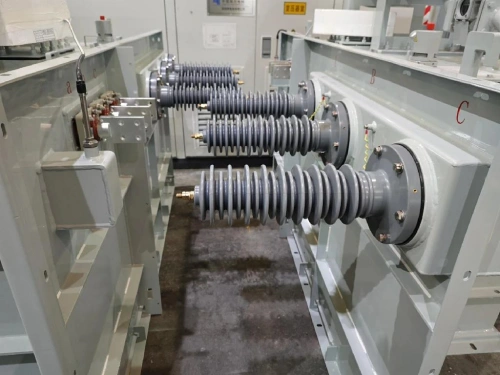
When purchasing or replacing transformer bushings, engineers should consider several parameters.
1. Voltas Rátáilte
The bushing voltage rating must match the transformer system voltage.
Sampla:
- 11kV transformer → 12kV class bushing
- 33kV transformer → 36kV class bushing
2. Reatha Rátáilte
The bushing current rating must be higher than the transformer operating current.
Incorrect selection may cause overheating.
3. Toisí Suiteáil
Before ordering replacement bushings, always confirm:
- Mounting hole dimensions;
- Flange size;
- Conductor connection type;
- Overall height;
- Fad creeppage.
Many replacement problems occur because the electrical parameters are correct but the mechanical dimensions are different.
4. Applicable Standards
Common transformer bushing standards include:
- IEC 60137: Insulated bushings for AC voltages above 1000V;
- IEEE standards for power equipment applications.
6. Transformer Bushings Maintenance Checklist
Regular inspection can significantly extend transformer service life.
| Inspection Item | Recommended Action |
|---|---|
| Sceitheadh ola | Check seals and flange |
| Surface contamination | Clean insulation surface |
| Scoilteanna | Inspect porcelain/composite housing |
| Teocht | Monitor abnormal heating |
| Insulation resistance | Perform electrical testing |
| Urscaoileadh páirteach | Conduct diagnosis if required |
7. Common Questions About Transformer Bushings
How long does a transformer bushing last?
A high-quality transformer bushing can typically operate for 20–30 years or longer under proper maintenance.
What causes transformer bushing failure?
The main causes include moisture, insulation aging, róthéamh, oil leakage, and mechanical damage.
Can a transformer bushing be replaced?
Tá. Replacement is possible if the new bushing matches:
- Rátáil voltais;
- Current rating;
- Mechanical dimensions;
- Installation requirements.
Why do transformer bushings crack?
Cracking may result from mechanical stress, temperature changes, aging, or external impact.
Manufacturer Insight
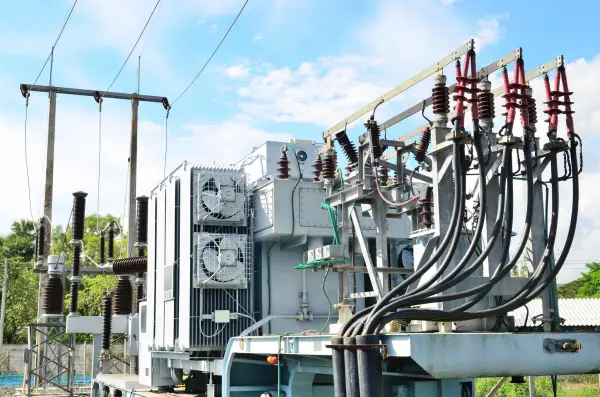
As a transformer manufacturer and transformer accessories supplier, PDDN understands that reliable transformer operation depends not only on the transformer body but also on every connected component.
For transformer bushing replacement or OEM requirements, customers should provide:
- Transformer rated voltage;
- Current rating;
- Installation drawing;
- Existing bushing model;
- Required standard.
This information helps ensure electrical compatibility and reliable installation.
Maidir le PDDN
PDDN is ardán ar líne deLuoyang Datang Energy Technology Co., Teo., monaróir iontaofa agus soláthraí domhanda declaochladáin cumhachta, gabhálais claochladán, comhpháirteanna lascthrealamh, córais stórála fuinnimh ceallraí (BESS), agus réitigh luchtaithe EV. Ós rud é 2015, thugamar tacaíocht do chuideachtaí fóntais, Conraitheoirí EPC, agus custaiméirí tionsclaíocha ar fud an domhain le táirgí iontaofa, Seirbhísí OEM/ODM, agus saineolas teicniúil.
POSTAÍ GAOLMHARA

Úsáidtear claochladáin chumhachta de chineál tirim trí phas 30kva go 50kva go forleathan i réimse an fhuinnimh in-athnuaite
What are the application fields of thyristors?
Power Diode Module: the core component of power conversion
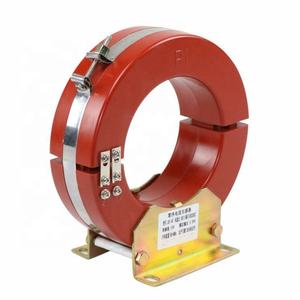
Prionsabal oibre agus réimsí iarratais an claochladáin reatha

Opening up a new pattern of inverter home electrification
