


Pembekal Komponen Elektronik | Transformers, Induktor, Penyongsang


Pengubah Arus voltan tinggi
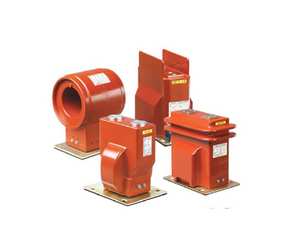
Transformer Voltan Tinggi Teras Ferit Kuasa Elektrik Transforme Transformer Arus Frekuensi Tinggi
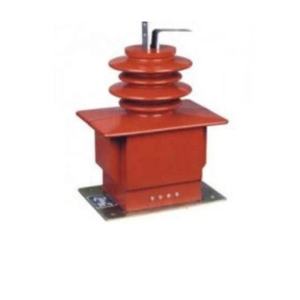
24W 12V AC/DC Bekalan Kuasa Pensuisan Boleh Laras Kuasa Tinggi 200-240VAC Voltan Arus Transformer Penyesuai Kuasa Bahan PC 1A
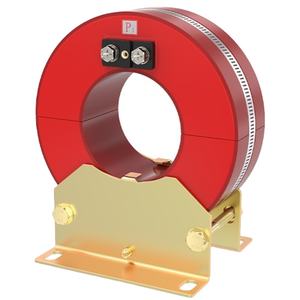
Transformer Pengasingan Arus Tinggi Fasa Tunggal Boleh Disesuaikan Voltan Rendah Spesifikasi Transformer Arus Tinggi
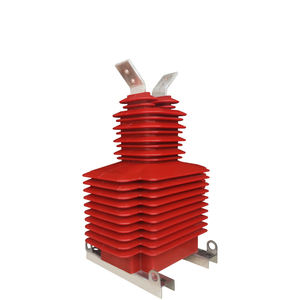
45-6800kVA 12kV 15kV 24kV 36kV Input Tersuai UL Diperakui Kuasa Tinggi Pencawang Padat Dilekap Pad Kuasa
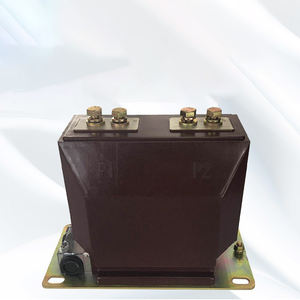
China High Voltage Current 110 Volt 220 Volt 12V DC 240V AC Penukar Transformers Menukar SMPS Transformers
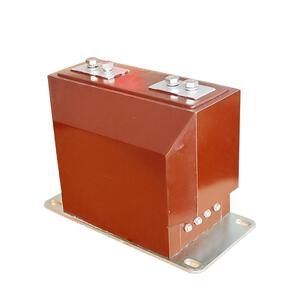
Pengubah Pengasingan Fasa Tunggal Terlindung CE/ISO Dengan Kekebalan Bunyi 110V/220V/380V Pilihan Voltan Keluaran
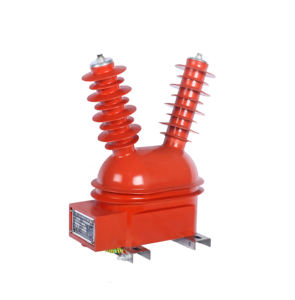
11kV Voltan Tinggi Tiga Fasa Sifar Urutan CT Transformer Arus dengan Frekuensi 50Hz

400 Kva 500kva 630 Kva 1500 Output Input Kva 50/60Hz Pengubah Agihan Terendam Minyak Tiga Fasa
Bekalan Kuasa Pensuisan Elektrik Voltan Tinggi AC/DC 24v-36v 1.2A-2A Pengubah Arus Tinggi 32Volt 2Amp
24Penderia Arus Voltan Tinggi kV Rogowski Gegelung Fleksibel Probe Pengubah Arus Toroidal
S11/S13 Siri Penuh 50-5000KVA Voltan Tinggi Tiga Fasa Transformer Pengubah Arus Voltan Tinggi Kecil
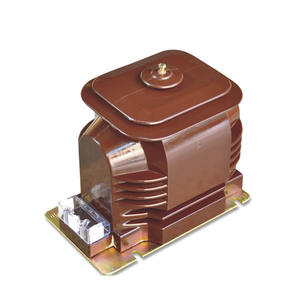
Transformer Arus Voltan Tinggi Dalaman/luar &Pengubah Voltan, CT Transformer Berpotensi, PT
Gambaran Keseluruhan Transformer Arus Voltan Tinggi
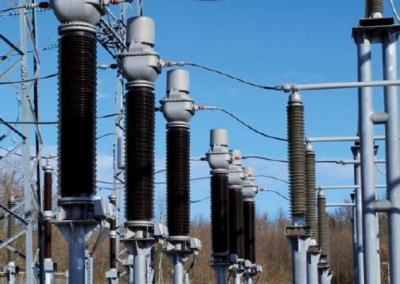
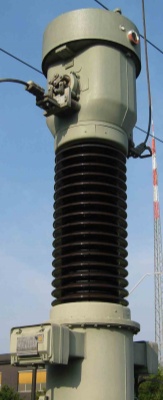
Transformer arus voltan tinggi (CT) adalah penting pengubah instrumen digunakan dalam sistem kuasa elektrik untuk mengukur dan memantau arus tinggi dengan selamat. Mereka menukar paras arus tinggi dalam talian penghantaran menjadi isyarat arus rendah berkadar yang boleh digunakan oleh meter, geganti perlindungan, dan peralatan pemantauan.
Transformer ini digunakan secara meluas dalam loji kuasa, pencawang elektrik, dan rangkaian penghantaran voltan tinggi, memastikan pengukuran arus yang tepat dan perlindungan yang boleh dipercayai bagi peralatan sistem kuasa.
Cara Transformer Arus Voltan Tinggi Berfungsi
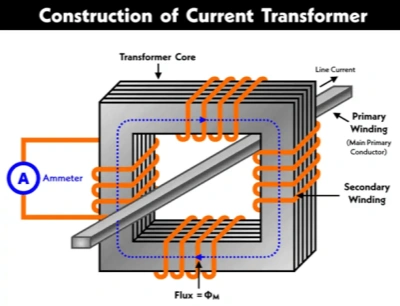
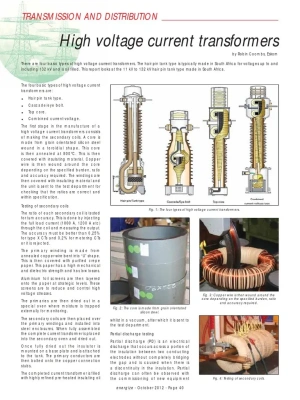
Transformer Arus Voltan Tinggi
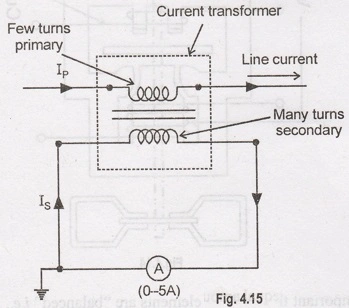
Transformer arus voltan tinggi (CT) operate based on the principle of aruhan elektromagnet, converting large primary currents in high-voltage power systems into smaller, standardized secondary currents that can be safely measured and monitored.
The current transformer provides electrical isolation between the high-voltage primary circuit and the low-voltage measurement and protection equipment. It is therefore an important component in power-system measurement, pemantauan, kawalan, and protection.
| Komponen | Fungsi |
|---|---|
| Konduktor Utama | Carries the high current from the power system and generates the primary magnetic field. |
| Teras Magnet | Provides a low-reluctance path for magnetic flux and improves electromagnetic coupling between the primary and secondary circuits. |
| Penggulungan Sekunder | Produces a reduced current proportional to the primary current for measurement and protection purposes. |
| Sistem Penebat | Provides electrical insulation between high-voltage conductors and grounded or low-voltage components. |
| Perumahan Perlindungan | Protects the internal components from mechanical damage, lembapan, habuk, dan keadaan persekitaran. |
| Terminal / Connection System | Provides reliable electrical connections between the secondary winding and external measuring or protection equipment. |
| Shielding and Grounding Components | Help control electric-field distribution and improve operational safety and insulation performance. |
Operating Principle
When an alternating current flows through the primary conductor, it produces an alternating magnetic flux in the magnetic core. According to Faraday's law of electromagnetic induction, this changing magnetic flux induces a voltage in the secondary winding.
Under normal operating conditions, the secondary current is approximately proportional to the primary current according to the transformer turns ratio:
di mana:
- = primary current
- = secondary current
- = number of primary turns
- = number of secondary turns
Contohnya, a CT rated 1000/5 A is designed to produce approximately 5 A of secondary current when the primary current is 1000 A.
Standard Secondary Output
Keluaran arus sekunder biasa ialah 1 A or 5 A, allowing conventional measuring instruments, geganti pelindung, meter, and monitoring devices to process high primary currents without being directly connected to the high-current circuit.
Compared with 5 A systems, 1 A secondary CTs can reduce transmission losses and voltage drop in long secondary wiring, making them particularly useful where the distance between the CT and monitoring equipment is relatively large.
Main Applications
High-voltage current transformers are widely used in:
- Power-system current measurement
- Overcurrent and short-circuit protection
- Perlindungan pembezaan
- Transformer protection
- Busbar protection
- Energy metering
- Substation monitoring and automation
- Grid fault detection and analysis
Depending on the application, CTs can be designed with different accuracy classes and characteristics. Metering CTs emphasize measurement accuracy over the normal operating range, while protection CTs are designed to maintain suitable performance during high fault currents.
Key Performance Parameters
Important specifications of a high-voltage CT typically include:
| Parameter | Penerangan |
|---|---|
| Rated Primary Current | The primary current for which the CT is designed. |
| Rated Secondary Current | Biasanya 1 A or 5 A. |
| Transformation Ratio | Defines the relationship between primary and secondary current. |
| Kelas Ketepatan | Indicates the allowable measurement error under specified conditions. |
| Rated Burden | The load that can be connected to the secondary while maintaining specified performance. |
| Tahap Penebat | Defines the CT's ability to withstand specified voltage and transient stresses. |
| Kekerapan | Usually designed for the power-system operating frequency, seperti 50 atau 60 Hz. |
| Short-Time Thermal Current | The maximum fault current the CT can withstand for a specified short duration. |
| Rated Dynamic Current | Indicates the CT's ability to withstand the mechanical forces associated with high fault currents. |
Safety Consideration
One of the most important characteristics of a current transformer is that its secondary circuit should not normally be left open while current is flowing in the primary circuit. An open secondary can result in a dangerously high secondary voltage and may cause insulation failure, kerosakan peralatan, atau kejutan elektrik.
For this reason, CT secondary circuits are normally connected to an appropriate measuring or protection circuit, dan shorting terminals or test blocks are commonly provided for maintenance and testing.
Ringkasan
In modern high-voltage power systems, current transformers serve as an important interface between high-current power circuits and low-level measurement and protection systems. By using electromagnetic induction, they provide accurate current transformation, electrical isolation, and compatibility with standardized protection and monitoring equipment. Their performance depends not only on the transformation ratio but also on core design, insulation structure, accuracy class, bebanan, saturation characteristics, and short-circuit withstand capability.t output is 1A atau 5A, yang boleh diukur dengan selamat dengan peranti pemantauan.
Jenis-jenis Transformer Arus Voltan Tinggi
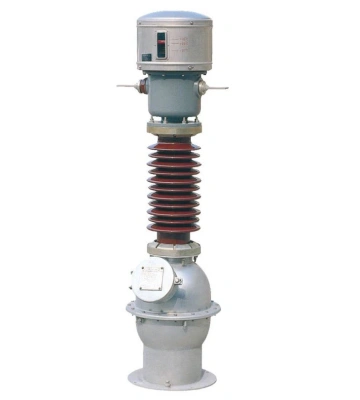
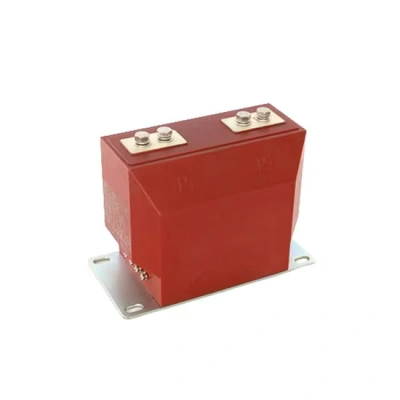
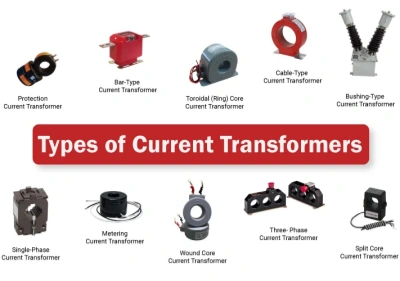
- Transformer Arus Rendam Minyak – Digunakan dalam pencawang voltan tinggi luaran.
- Pengubah Arus Resin Tuang – Sesuai untuk sistem suis dalaman.
- Pengubah Arus Jenis Cincin – Dipasang di sekeliling konduktor untuk pengukuran.
- Alat Ubah Luaran – Direka untuk rangkaian penghantaran voltan tinggi.
Kelebihan Transformer Arus Voltan Tinggi
- Pengukuran Arus Tepat untuk pemantauan sistem kuasa
- Perlindungan yang Diperbaiki untuk peralatan elektrik dan litar
- Kekuatan Penebat Tinggi untuk aplikasi voltan tinggi
- Operasi yang boleh dipercayai dalam pencawang dan sistem penghantaran
- Reka Bentuk Padat dan Tahan Lama
Profil Syarikat
Luoyang Datang Energy Technology Co., Ltd. ialah perusahaan berteknologi tinggi yang menyepadukan R&D, pembuatan, dan pembekalan peralatan kuasa dan penyelesaian tenaga boleh diperbaharui. Pengkhususan dalam transformer, komponen tenaga baharu, kabinet pengedaran, dan penyongsang, kami telah mengembangkan portfolio kami untuk memasukkan sistem tenaga solar, penyelesaian penyimpanan tenaga, dan pam haba sumber udara. Dengan inovasi teknologi sebagai teras kami, kami menumpukan pada mencipta penyelesaian kuasa dan kecekapan tenaga yang boleh dipercayai dan berprestasi tinggi untuk memberi perkhidmatan kepada pelanggan global. Melalui sistem kawalan kualiti yang ketat dan pensijilan standard antarabangsa, kami terus menyampaikan produk cemerlang yang memperkasakan pelanggan kami untuk membina dengan selamat, stabil, dan sistem tenaga mampan.
Jika anda mahukan yang berkualiti tinggi, pengubah arus voltan tinggi pembekal, kami menjemput anda untuk menghubungi kami atau bertanya tentang produk berkaitan.
Kaedah Pembayaran untuktinggi-Pengubah Arus Voltan
L/C, T/T, Western Union, Paypal, Kad Kredit dll.
Penghantaran sebanyaktinggi-Pengubah Arus Voltan
Setelah pembayaran diterima, melalui laut, udara, atau nyatakan secepat mungkin.
Soalan Lazim Transformer Arus Voltan Tinggi
1. Apakah itu pengubah arus (CT)?
A current transformer (CT) is an instrument transformer designed to convert high primary currents into smaller, standardized secondary currents for safe measurement, pemantauan, and protection.
CTs provide electrical isolation between the high-voltage power circuit and low-voltage measuring or protection equipment, allowing meters and protective relays to monitor system current without being directly connected to the high-current conductor.
2. How does a high-voltage current transformer work?
A high-voltage CT operates according to the principle of aruhan elektromagnet. When alternating current flows through the primary conductor, it generates a changing magnetic flux in the CT core.
This changing magnetic flux induces a current in the secondary winding. The secondary current is proportional to the primary current according to the transformer's turns ratio.
Contohnya, a 1000/5 A CT produces approximately 5 A of secondary current when the primary current reaches 1000 A.
3. Di manakah CT voltan tinggi digunakan?
High-voltage current transformers are commonly installed in:
- Pencawang elektrik
- Loji penjanaan kuasa
- Transmission and distribution systems
- High-voltage switchgear
- Transformer protection systems
- Industrial power networks
- Grid monitoring and automation systems
They can be used for both continuous current measurement dan fault-current detection.
4. Apakah arus sekunder piawai bagi CT?
The most common standardized secondary current ratings are 1 A and 5 A.
A 5 A secondary output has traditionally been widely used in conventional protection and metering systems. A 1 A secondary output can be advantageous when the CT is installed far from the measuring or protection equipment because it can reduce losses and voltage drop in the secondary wiring.
The appropriate secondary rating should be selected according to the connected equipment and system design.
5. What does a CT ratio mean?
The CT ratio describes the relationship between the rated primary current and the rated secondary current.
Contohnya:
- 200/5 A → 200 A primary corresponds to 5 A secondary
- 600/5 A → 600 A primary corresponds to 5 A secondary
- 1000/1 A → 1000 A primary corresponds to 1 A secondary
Selecting the appropriate ratio is important for achieving accurate measurement and ensuring that protection equipment operates correctly.
6. Mengapakah CT penting dalam sistem kuasa?
CTs allow high currents in electrical networks to be measured without directly connecting measurement instruments to high-current conductors.
They are important because they provide:
- Current measurement
- Electrical isolation
- Fault detection
- Overcurrent protection
- Energy metering
- System monitoring
- Protection relay inputs
Akibatnya, CTs play an important role in maintaining the kebolehpercayaan, keselamatan, and controllability of high-voltage electrical systems.
7. Can high-voltage CTs be used for protection relays?
ya. Current transformers are widely used with geganti perlindungan.
During abnormal conditions such as short circuits or severe overloads, the CT provides a current signal to the protection relay. The relay analyzes the signal and can initiate the appropriate circuit-breaker operation to isolate the fault.
Protection CTs are generally designed with characteristics suitable for maintaining reliable performance during high fault currents.
8. What is the difference between metering CTs and protection CTs?
Metering CTs and protection CTs are designed for different purposes.
Metering CTs are optimized for high accuracy within their specified measurement range and are commonly connected to electricity meters and monitoring instruments.
Protection CTs are designed to provide an appropriate current signal to protective relays, particularly during fault conditions when the primary current can become many times higher than its normal operating value.
The selection between the two depends on the intended application and the requirements of the electrical protection or measurement system.
9. What is CT accuracy class?
The accuracy class indicates the allowable measurement error of a CT under specified operating conditions.
For metering applications, accuracy is particularly important because even small measurement errors can affect energy measurement and billing.
For protection applications, the CT's ability to reproduce current accurately during high fault conditions and avoid excessive saturation is particularly important.
The appropriate accuracy class should therefore be selected according to the requirements of the connected equipment and applicable standards.
10. What is CT burden?
CT burden refers to the load connected to the CT secondary circuit, generally expressed in VA at a specified power factor.
The burden can include:
- Protective relays
- Measuring instruments
- Meters
- Test equipment
- Secondary wiring
If the connected burden exceeds the CT's rated capability, measurement accuracy and protection performance may be affected. Oleh itu, the CT should be selected with a suitable burden rating for the complete secondary circuit.