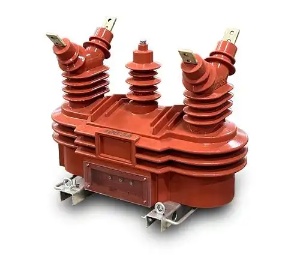
इलेक्ट्रॉनिक घटक आपूर्तिकर्ता | ट्रान्सफ़ॉर्मर, कुचालक, इन्वर्टर


ट्रांसफार्मर: Power Grid’s Voltage Alchemist
परिचय: The Silent Voltage Translator
Every time you charge your phone or switch on a light, a technological marvel works behind the scenes – the transformer. This unsung hero converts power plant electricity (often 10,000V+) to household 220V with 99% क्षमता. Let’s decode its electromagnetic wizardry.
मैं. Anatomy of a Transformer
मुख्य घटक
1. Iron Core
हे Stacked silicon steel laminations (0.35mm thick)
हे Silicon increases resistivity, reducing eddy current losses by 80%
हे Insulated coatings create "magnetic highways"
2. घुमावदार
हे प्राथमिक कुंडल: AC input creates rotating magnetic field
हे द्वितीयक कुंडल: Output voltage induced via electromagnetic coupling
3. इन्सुलेशन प्रणाली
हे तेल डूबे: Mineral oil acts as coolant and dielectric (flash point >300डिग्री सेल्सियस)
हे सूखी प्रकार: Epoxy resin encapsulation for fire-safe environments
Material Evolution
Era | मूल सामग्री | Breakthrough | क्षमता |
1885 | Wrought iron | First practical transformer | 85% |
1950एस | Cold-rolled silicon steel | Losses ↓60% | 95% |
2000एस | Amorphous metal | 0.025mm thickness, losses ↓70% | 98.5% |
भविष्य | Superconductors | Zero-resistance (lab stage) | >99% |
द्वितीय. काम के सिद्धांत: Electromagnetic Ballet
Two-Stage Energy Conversion
1. Electric→Magnetic (Input Side)
हे AC current generates a 50/60Hz rotating magnetic field
हे Silicon steel core confines flux like a "magnetic tornado"
2. Magnetic→Electric (Output Side)
हे Faraday’s Law induces voltage:
VoutVin=NsecondaryNprimaryVinVout=NprimaryNsecondary
हे Current inversely proportional to turns ratio:
Iprimary=NsecondaryNprimary×IsecondaryIprimary=NprimaryNsecondary×Isecondary
Key Performance Metrics
Voltage Conversion:
आगे आना (बिजली संयंत्रों): 1:100 ratio for 110kV→220kV
Step-down (घरों): 20:1 ratio for 10kV→220V
क्षमता: 97-99% in modern units
Load Capacity: 500kVA+ for urban substations
तृतीय. Cutting-Edge Innovations
Current Challenges
Energy Loss: Distribution transformers waste ~3% of global electricity
Noise Pollution: 100Hz hum from magnetostriction
वहनीयता: Mineral oil disposal risks
Next-Gen Solutions
1. स्मार्ट ट्रांसफार्मर
हे Real-time voltage regulation via IGBT switches
हे Predictive maintenance using IoT sensors
2. Superconducting Transformers
हे YBCO tape windings (liquid nitrogen cooled)
हे Shanghai pilot: 60% size reduction, 0.1% हानि
3. इको-डिज़ाइन
हे Biodegradable ester fluids (from plant oils)
हे 3D-printed nanocrystalline cores
निष्कर्ष: The Invisible Backbone
From early 20th-century grid expansion to today’s ultra-high-voltage transmission, transformers remain the cornerstone of electrification. As renewable energy demands grow, these electromagnetic workhorses continue evolving – perhaps soon leveraging quantum materials for lossless power transfer.
Tech Trivia: The world’s largest transformer (1,200एमवीए) weighs 400 tons – equivalent to 300 sedans!
संबंधित पोस्ट
ट्रांसफार्मर तेल स्तर गेज: पावर ट्रांसफार्मर परियोजनाओं के लिए संपूर्ण खरीदारी मार्गदर्शिका
ईएमसी में कैपेसिटर का अनुप्रयोग: विद्युत चुम्बकीय संगतता को समझने के लिए प्रमुख प्रौद्योगिकियाँ
ट्रांसफार्मर का तेल क्यों लीक होता है?
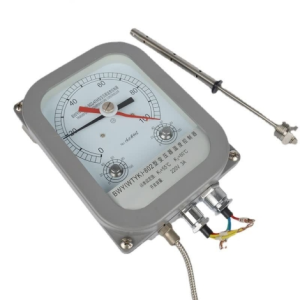
बुद्धिमान डिजिटल दबाव नियंत्रक कई क्षेत्रों में चमकते हैं, औद्योगिक स्वचालन के स्तर को बढ़ाना
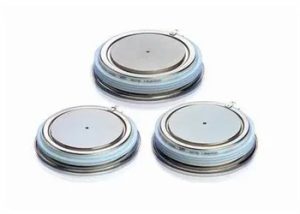
द्वारा 2030, असतत अर्धचालक बाजार तक पहुंचने की उम्मीद है $60.7603.2 अरब.