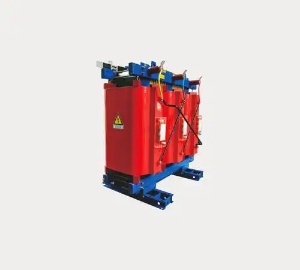
மின்னணு கூறுகள் சப்ளையர் | மின்மாற்றிகள், தூண்டிகள், இன்வெர்ட்டர்கள்


மின்மாற்றி: பவர் கிரிட் மின்னழுத்த ரசவாதிடி
அறிமுகம்: சைலண்ட் வோல்டேஜ் ட்ரான்ஸ்லேடோஆர்
ஒவ்வொரு முறையும் உங்கள் மொபைலை சார்ஜ் செய்யும் அல்லது லைட்டை ஆன் செய்யும், திரைக்குப் பின்னால் ஒரு தொழில்நுட்ப அற்புதம் செயல்படுகிறது - மின்மாற்றி. இந்த இசையமைக்கப்படாத ஹீரோ மின் உற்பத்தி நிலைய மின்சாரத்தை மாற்றுகிறார் (பெரும்பாலும் 10,000V+) வீட்டிற்கு 220V உடன் 99% திறன். அதன் மின்காந்த வழிகாட்டியை டிகோட் செய்வோம்.
ஐ. ஒரு மின்மாற்றியின் உடற்கூறியல்
முக்கிய கூறுகள்
1. இரும்பு கோர்
ஓ அடுக்கப்பட்ட சிலிக்கான் ஸ்டீல் லேமினேஷன்கள் (0.35மிமீ தடிமன்)
ஓ சிலிக்கான் எதிர்ப்பாற்றலை அதிகரிக்கிறது, மூலம் சுழல் மின்னோட்ட இழப்புகளை குறைக்கிறது 80%
ஓ Insulated coatings create "magnetic highways"
2. முறுக்குகள்
ஓ முதன்மை சுருள்: AC உள்ளீடு சுழலும் காந்தப்புலத்தை உருவாக்குகிறது
ஓ இரண்டாம் நிலை சுருள்: மின்காந்த இணைப்பு மூலம் தூண்டப்பட்ட வெளியீடு மின்னழுத்தம்
3. காப்பு அமைப்பு
ஓ எண்ணெய் மூழ்கியது: கனிம எண்ணெய் குளிரூட்டியாகவும் மின்கடத்தாவாகவும் செயல்படுகிறது (ஃபிளாஷ் புள்ளி >300°C)
ஓ உலர் வகை: தீ-பாதுகாப்பான சூழல்களுக்கான எபோக்சி பிசின் என்காப்சுலேஷன்
பொருள் பரிணாமம்
சகாப்தம் | முக்கிய பொருள் | திருப்புமுனை | திறன் |
1885 | செய்யப்பட்ட இரும்பு | முதல் நடைமுறை மின்மாற்றி | 85% |
1950கள் | குளிர் உருட்டப்பட்ட சிலிக்கான் எஃகு | இழப்புகள் ↓60% | 95% |
2000கள் | உருவமற்ற உலோகம் | 0.025மிமீ தடிமன், இழப்புகள் ↓70% | 98.5% |
எதிர்காலம் | சூப்பர் கண்டக்டர்கள் | பூஜ்ஜிய எதிர்ப்பு (ஆய்வக நிலை) | >99% |
II. வேலை செய்யும் கொள்கை: மின்காந்த பாலே
இரண்டு-நிலை ஆற்றல் மாற்றம்
1. மின்சாரம்→காந்தம் (உள்ளீடு பக்கம்)
ஓ AC மின்னோட்டம் 50/60Hz சுழலும் காந்தப்புலத்தை உருவாக்குகிறது
ஓ Silicon steel core confines flux like a "magnetic tornado"
2. காந்தம்→மின்சாரம் (வெளியீடு பக்கம்)
ஓ ஃபாரடேயின் சட்டம் மின்னழுத்தத்தைத் தூண்டுகிறது:
VoutVin=NsecondaryNprimaryவின்வாக்கு=முதன்மைஇரண்டாம்நிலை
ஓ தற்போதைய நேர்மாறான விகிதத்தில் திருப்பங்கள் விகிதம்:
Iprimary=NsecondaryNprimary×Isecondaryஆரம்பநிலை=முதன்மைஇரண்டாம்நிலை×இரண்டாம் நிலை
முக்கிய செயல்திறன் அளவீடுகள்
Voltage Conversion:
படி-அப் (மின் உற்பத்தி நிலையங்கள்): 1:100 ratio for 110kV→220kV
படி-கீழே (வீடுகள்): 20:1 10kV→220Vக்கான விகிதம்
திறன்: 97-99% நவீன அலகுகளில்
சுமை திறன்: 500நகர்ப்புற துணை மின் நிலையங்களுக்கு kVA+
III. அதிநவீன புதுமைகள்
தற்போதைய சவால்கள்
ஆற்றல் இழப்பு: Distribution transformers waste ~3% of global electricity
ஒலி மாசுபாடு: 100மேக்னடோஸ்டிரிக்ஷனில் இருந்து ஹெர்ட்ஸ் ஹம்
நிலைத்தன்மை: கனிம எண்ணெய் அகற்றும் அபாயங்கள்
அடுத்த தலைமுறை தீர்வுகள்
1. ஸ்மார்ட் டிரான்ஸ்ஃபார்மர்கள்
ஓ IGBT சுவிட்சுகள் வழியாக நிகழ்நேர மின்னழுத்த ஒழுங்குமுறை
ஓ IoT சென்சார்களைப் பயன்படுத்தி முன்கணிப்பு பராமரிப்பு
2. சூப்பர் கண்டக்டிங் டிரான்ஸ்ஃபார்மர்கள்
ஓ YBCO டேப் முறுக்குகள் (திரவ நைட்ரஜன் குளிர்விக்கப்படுகிறது)
ஓ ஷாங்காய் விமானி: 60% அளவு குறைப்பு, 0.1% இழப்புகள்
3. சுற்றுச்சூழல் வடிவமைப்புகள்
ஓ மக்கும் எஸ்டர் திரவங்கள் (தாவர எண்ணெய்களிலிருந்து)
ஓ 3டி-அச்சிடப்பட்ட நானோ கிரிஸ்டலின் கோர்கள்
முடிவுரை: கண்ணுக்கு தெரியாத முதுகெலும்பு
20 ஆம் நூற்றாண்டின் தொடக்கத்தில் கட்டம் விரிவாக்கம் முதல் இன்றைய அதி உயர் மின்னழுத்த பரிமாற்றம் வரை, மின்மாற்றிகள் மின்மயமாக்கலின் மூலக்கல்லாகும். புதுப்பிக்கத்தக்க எரிசக்தி தேவைகள் அதிகரிக்கும் போது, இந்த மின்காந்த வேலைக் குதிரைகள் தொடர்ந்து உருவாகி வருகின்றன - ஒருவேளை விரைவில் குவாண்டம் பொருட்களை இழப்பற்ற சக்தி பரிமாற்றத்திற்கு மேம்படுத்தும்.
டெக் ட்ரிவியா: உலகின் மிகப்பெரிய மின்மாற்றி (1,200எம்.வி.ஏ) எடையும் 400 டன்கள் - சமமானவை 300 சேடான்கள்!
தொடர்புடைய இடுகைகள்
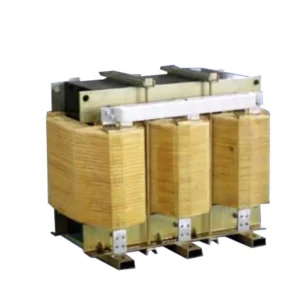
காற்றாலைகளில் பயன்படுத்தப்படும் மின்மாற்றிகள்: முக்கிய செயல்பாடுகள், வகைகள், மற்றும் தொழில் போக்குகள்

விண்வெளி துறையில் IC வெப்ப மூழ்கி பயன்பாடு: திறமையான வெப்ப மேலாண்மையை அடைவதற்கான ஒரு முக்கியமான வழிமுறையாகும்

3 ஹீட்டருக்கான கட்ட தைரிஸ்டர் கட்டுப்படுத்தி: துல்லியமான வெப்பக் கட்டுப்பாட்டுக்கான மின்சார சக்தியின் முன்னோடி
சூரிய மற்றும் மின்சார இன்வெர்ட்டர்: சூரிய ஆற்றல் மற்றும் சக்தி மாற்றத்தின் சரியான கலவை
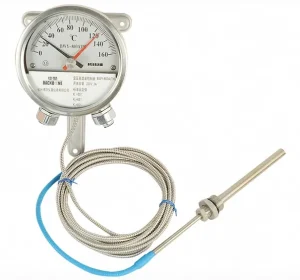
மின்மாற்றி முறுக்கு வெப்பநிலை காட்டியின் செயல்பாடு என்ன?