Pemasok Komponen Elektronik | transformator, Induktor, Inverter


Ketika Transformator Gagal, the Problem Is Often Heat
Many buyers spend weeks comparing transformer brands, bahan berliku, dan kelas isolasi. Namun salah satu komponen terpenting sering diabaikan: itu Radiator Transformator.
A transformer can operate for decades, but only if its temperature remains under control. Excessive heat accelerates insulation aging, reduces efficiency, increases maintenance costs, and can eventually lead to catastrophic failure.
This is where the transformer radiator becomes essential.
Think of it as the “sistem pendingin” of a power transformer. Without efficient heat dissipation, even the highest-quality transformer cannot deliver reliable long-term performance.
What Is a Transformer Radiator?
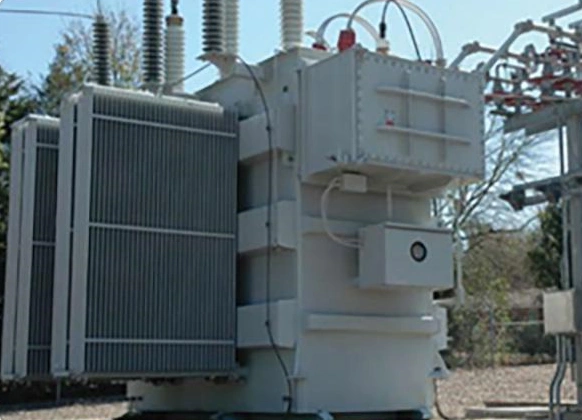
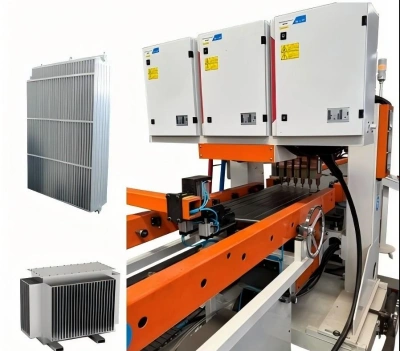
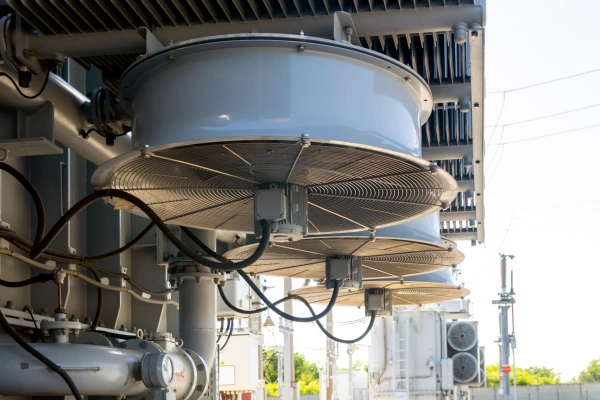
A Radiator Transformator is a cooling component installed on oil-immersed transformers. Its purpose is to transfer heat from the transformer oil to the surrounding air.
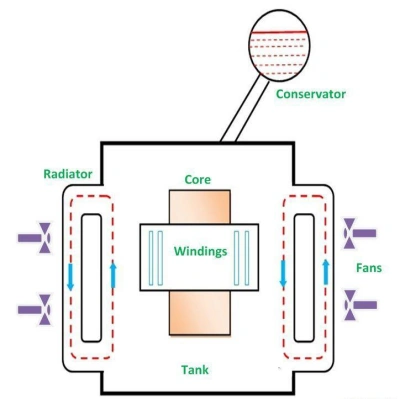
The working principle is simple:
- Transformer load generates heat.
- Insulating oil absorbs the heat.
- Hot oil flows into the radiator panels.
- Heat is released into the atmosphere.
- Cooled oil returns to the transformer tank.
This continuous circulation keeps the transformer operating within safe temperature limits.
Why Transformer Radiators Matter
1. Extend Transformer Service Life
Industry experience shows that insulation life decreases significantly when operating temperature rises above the designed limit.
A properly designed radiator helps maintain optimal operating temperatures, extending transformer lifespan and reducing replacement costs.
2. Improve Operational Reliability
Utilities, gardu induk, peternakan surya, and industrial facilities cannot afford unexpected outages.
An efficient cooling system reduces thermal stress and minimizes the risk of transformer failure.
3. Support Higher Loads
As power demand increases, transformers often operate near their rated capacity.
High-performance radiator systems allow transformers to handle heavy loads more safely.
Types of Transformer Radiators
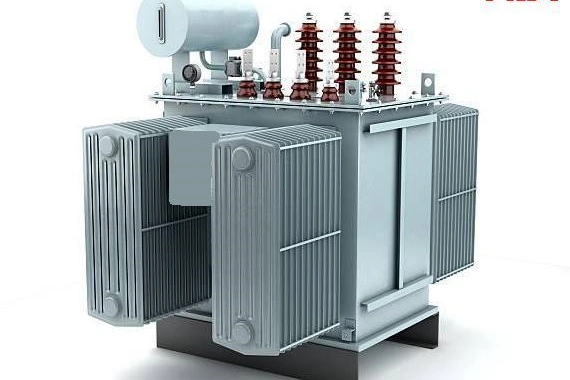
Detachable Radiator Panels
These are the most common in medium and large power transformers.
Keuntungan:
- Easy transportation
- Convenient maintenance
- Flexible replacement
Welded Radiators
Radiators permanently welded to the transformer tank.
Keuntungan:
- Lower leakage risk
- Desain kompak
- Reduced installation work
Corrugated Tank Cooling
Instead of separate radiators, the transformer tank wall itself acts as the cooling surface.
Commonly used for:
- Small distribution transformers
- Pole-mounted transformers
- Compact substations
5 Key Factors Buyers Should Check
1. Cooling Capacity
The radiator must match the transformer’s thermal requirements.
Selalu verifikasi:
- Kapasitas transformator (kVA/PPN)
- Total heat loss
- Ambient temperature
- Altitude
A radiator designed for a mild climate may not perform adequately in desert conditions.
2. Kualitas Bahan
Most transformer radiators are manufactured from:
- High-quality cold-rolled steel
- Carbon steel
- Corrosion-resistant steel
Premium steel improves durability and thermal performance.
3. Pressure Testing
A reliable radiator should undergo:
- Air pressure testing
- Vacuum testing
- Leak testing
Poor welding quality can result in oil leakage, one of the most common field failures.
4. Surface Treatment
For projects in Africa, Timur Tengah, Asia Tenggara, and coastal regions, anti-corrosion protection is critical.
Common options include:
- Powder coating
- Sand blasting
- Hot-dip galvanizing
- Epoxy coating
A quality coating can significantly extend service life.
5. Connection Design
Check compatibility with:
- Flange size
- Center distance
- Katup kupu-kupu
- Transformer tank design
Even a high-quality radiator becomes useless if dimensions do not match the transformer.
Common Problems Buyers Face
Kebocoran Minyak
Usually caused by:
- Poor welding
- Damaged gaskets
- Incorrect installation
Insufficient Cooling
Often related to:
- Undersized radiator area
- Poor oil circulation
- Suhu lingkungan yang tinggi
Korosi
Common in:
- Coastal areas
- Humid environments
- Chemical plants
Proper coating and maintenance are essential.
How to Select a Reliable Transformer Radiator Supplier
Before placing an order, ask the supplier:
✔ Can you provide pressure test reports?
✔ What steel thickness is used?
✔ What coating process is available?
✔ Do you support customized dimensions?
✔ Can you match existing transformer designs?
✔ What international markets have you supplied?
A professional manufacturer should be able to answer these questions immediately.
The Growing Global Demand for Transformer Radiators
Several market trends are driving demand:
- Grid modernization projects
- Renewable energy installations
- Solar power plants
- Ladang angin
- Industrial expansion
- Transformer refurbishment programs
Many utilities prefer replacing radiators rather than purchasing entirely new transformers, creating a large aftermarket opportunity.
POSTINGAN TERKAIT
Trafo terendam minyak: penjaga stabilitas sistem tenaga listrik

Peran apa yang dimainkan elektronik SCR di bidang kontrol daya?

Peran dan keunggulan Modul Fotodioda dalam bidang deteksi dan pengukuran optik

Pasar Semikonduktor Terpisah Akan Mencapai USD 60,760.32 Juta Oleh 2030

Bagaimana kinerja Dioda Pemulihan Lunak Kecepatan Cepat di lingkungan aplikasi ekstrem seperti tegangan dan arus tinggi?