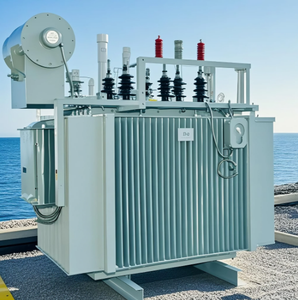
전자 부품 공급업체 | 트랜스포머, 인덕터, 인버터


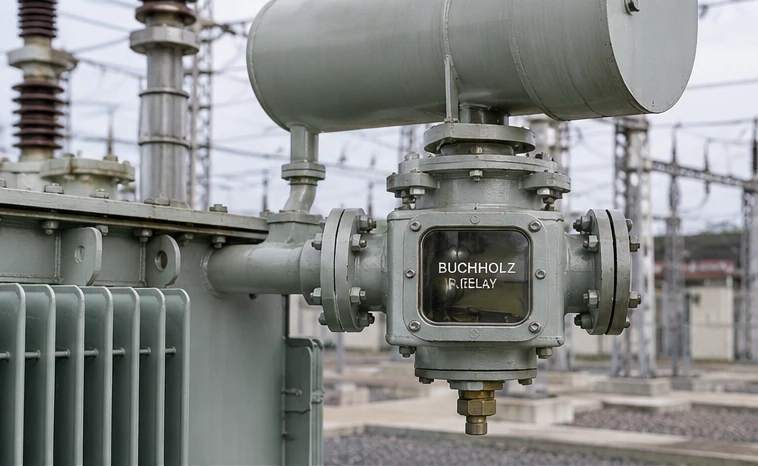
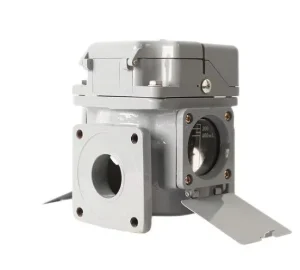
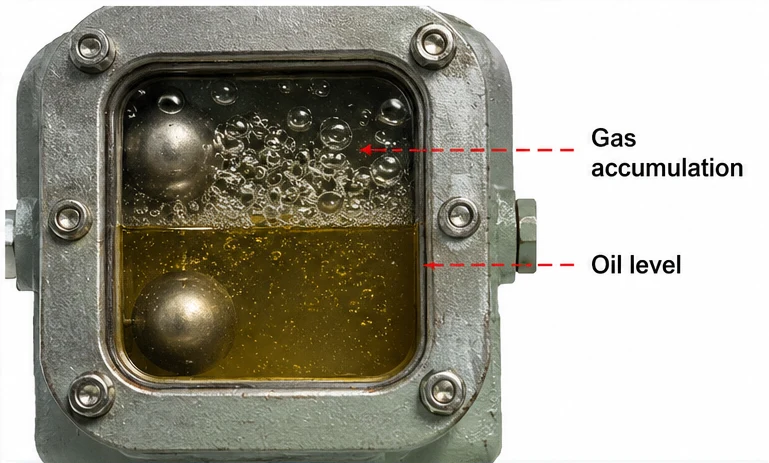
~ 안에 기름에 잠긴 전력 변압기, Buchholz 계전기는 초기 단계에서 내부 변압기 결함을 감지하는 데 사용되는 가장 중요한 보호 장치 중 하나입니다.. Installed between the transformer main tank and conservator, this gas-operated relay continuously monitors gas accumulation and abnormal oil flow caused by insulation failures, 과열, or electrical faults.
A properly functioning Buchholz relay can provide an early warning before serious damage occurs, helping utilities, 변전소, and industrial facilities avoid costly transformer failures and unplanned outages.
하지만, even the most reliable transformer protection relay can experience operational problems. Understanding common Buchholz relay faults and troubleshooting methods is essential for transformer maintenance engineers and asset managers.
이 가이드에서는, we examine the seven most common Buchholz relay faults, their causes, warning signs, and practical solutions.
What Is a Buchholz Relay and How Does It Work?
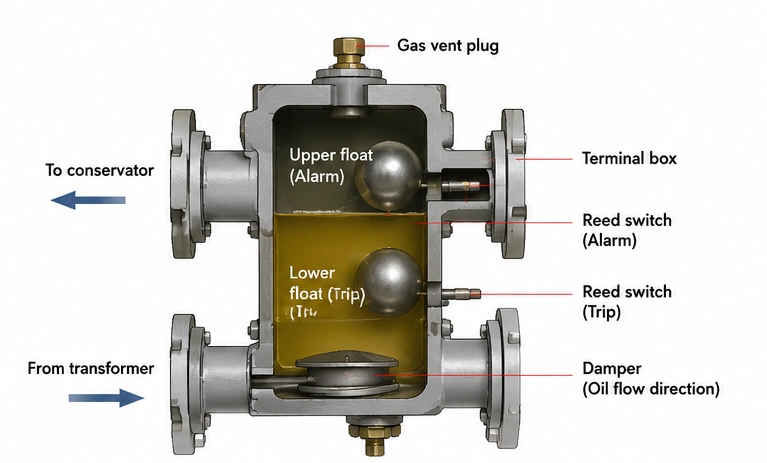
A Buchholz relay is a gas-actuated protection device used exclusively on oil-filled transformers equipped with conservator tanks.
Its primary functions include:
- Detecting gas generated by internal transformer faults
- Monitoring sudden oil movement caused by severe faults
- Triggering alarm signals for developing problems
- Initiating trip signals during major internal faults
When insulation materials or transformer oil decompose due to overheating, 부분방전, or arcing, gas bubbles form and accumulate inside the relay chamber. The relay then activates an alarm or trip circuit depending on fault severity.
Because of its ability to detect developing faults long before catastrophic failure occurs, the Buchholz relay remains one of the most effective transformer protection devices used today.
맨 위 7 일반적인 Buchholz 릴레이 결함
1. Frequent False Alarm Signals
Symptoms
- Buchholz relay alarm activates unexpectedly
- No confirmed transformer fault exists
- Minimal gas volume detected
Possible Causes
- Air trapped during transformer commissioning
- Improper oil filling procedures
- Loose flange connections
- Low conservator oil level
- Maintenance-related air ingress
Troubleshooting
- Verify transformer oil level.
- Inspect all pipe and flange connections.
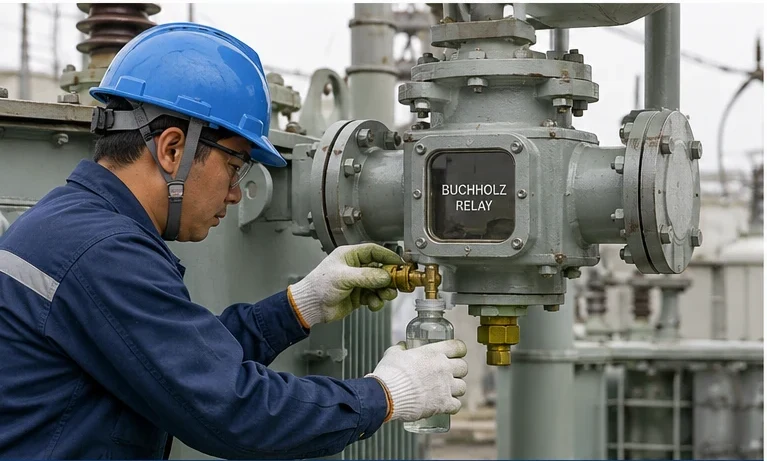
- Release trapped air using the relay vent valve.
- Confirm proper oil filling procedures.
- Monitor alarm recurrence after corrective action.
방지
Proper vacuum oil filling and commissioning practices significantly reduce false Buchholz relay alarms.
2. Excessive Gas Accumulation
Symptoms
- Repeated Buchholz relay alarm operation
- Visible gas collection inside relay
- Rising transformer temperature
Possible Causes
- Insulation overheating
- Localized hot spots
- Core insulation defects
- Loose electrical connections
- Minor winding faults
Troubleshooting
- Collect gas samples from the relay.
- Perform Dissolved Gas Analysis (DGA).
- Compare gas data with historical trends.
- Conduct infrared thermal inspections.
- Investigate internal overheating sources.
Why It Matters
Persistent gas accumulation is often the earliest warning sign of an internal transformer fault.
3. Sudden Buchholz Relay Trip
Symptoms
- Immediate transformer shutdown
- No previous alarm indication
- Protection system records trip event
Possible Causes
- Internal short circuits
- Winding-to-winding faults
- Severe insulation failure
- Internal flashover
Troubleshooting
- Keep transformer isolated.
- Review relay event records.
- Perform insulation resistance testing.
- Check winding resistance values.
- Conduct comprehensive transformer diagnostics.
중요한
Never reset a Buchholz relay trip without identifying the root cause.
4. Oil Leakage Around the Buchholz Relay
Symptoms
- Visible oil leakage
- Falling conservator oil level
- Oil stains near relay flanges
Possible Causes
- 손상된 개스킷
- Loose bolts
- 부식
- Mechanical damage during maintenance
Troubleshooting
- Locate the exact leakage point.
- Tighten flange connections.
- Replace worn seals and gaskets.
- Inspect relay housing for cracks.
- Restore transformer oil level if necessary.
Risk
Oil leakage can allow moisture and air contamination, accelerating transformer insulation aging.
5. Stuck Float Mechanism
Symptoms
- Relay fails to respond during testing
- No alarm despite gas accumulation
- Inconsistent operation
Possible Causes
- Sludge buildup
- Oxidized oil deposits
- Mechanical wear
- Internal corrosion
Troubleshooting
- Remove relay from service safely.
- Inspect float movement manually.
- Clean internal components.
- Replace worn parts.
- Perform operational testing before reinstallation.
Maintenance Tip
Annual inspection helps prevent mechanical failures from compromising transformer protection.
6. Faulty Reed Switch or Contact Assembly
Symptoms
- Alarm circuit failure
- False indications
- Intermittent operation
Possible Causes
- Electrical aging
- Contact deterioration
- 수분 침투
- Vibration damage
Troubleshooting
- Check electrical continuity.
- Verify switch operation.
- Inspect terminal connections.
- Replace defective components.
- Test alarm and trip circuits.
Modern Practice
Many modern Buchholz relays use reed-switch technology for improved reliability and environmental compliance.
7. Relay Operation During External Disturbances
Symptoms
- Alarm or trip occurs during:
- 운송
- Earthquakes
- System switching
- Nearby short-circuit events
Possible Causes
- Sudden oil surges
- Excessive vibration
- Incorrect relay sensitivity settings
Troubleshooting
- Review system disturbance records.
- Check relay calibration.
- Verify installation stability.
- Inspect mounting hardware.
- Evaluate whether operation was genuine or nuisance triggering.
Warning Signs That Should Never Be Ignored
The following conditions often indicate developing transformer problems:
- Repeated Buchholz relay alarms
- Rapid gas accumulation
- Rising oil temperature
- Abnormal DGA results
- Sudden relay trips
- Frequent protection system events
Ignoring these warning signs can lead to severe transformer damage and costly downtime.
Preventive Maintenance Checklist for Buchholz Relays
| Inspection Item | 빈도 |
|---|---|
| Visual inspection | Monthly |
| Oil level verification | Monthly |
| Leakage inspection | Monthly |
| Alarm circuit testing | 모든 6 개월 |
| Trip circuit testing | 모든 6 개월 |
| Functional relay test | Annually |
| DGA testing | Annually or condition-based |
A proactive maintenance program significantly improves transformer reliability and extends service life.
자주 묻는 질문 (FAQ)
Why does a Buchholz relay give an alarm?
A Buchholz relay alarm is typically caused by gas accumulation inside the relay chamber. Common causes include insulation overheating, oil decomposition, loose electrical connections, or trapped air introduced during maintenance.
What gases are commonly found in a Buchholz relay?
Typical gases include:
- Hydrogen (H₂)
- Methane (CH₄)
- 에틸렌 (C2H₄)
- Ethane (C₂H₆)
- 아세틸렌 (C₂H₂)
The gas composition can help identify the type of transformer fault through Dissolved Gas Analysis (DGA).
What causes a Buchholz relay trip?
A Buchholz relay trip usually occurs when a severe internal fault creates a rapid oil surge between the transformer tank and conservator. Common causes include winding short circuits, 절연파괴, and internal arcing.
Can a transformer continue operating after a Buchholz alarm?
In some cases, 예. 하지만, the cause of the alarm must be investigated immediately. Gas analysis and transformer diagnostic testing should be performed before determining whether continued operation is safe.
How often should a Buchholz relay be tested?
Most utilities recommend functional testing at least once per year, along with routine visual inspections and alarm/trip circuit verification every six months.
Looking for Reliable Transformer Protection Components?
Effective transformer protection depends on the quality of every component in the system.
PDDN에서, we supply a wide range of transformer accessories and protection devices, 포함:
- 부흐홀츠 계전기
- 변압기 부싱
- 오일 레벨 표시기
- 압력 완화 장치
- 권선 온도 표시기
- Conservator Accessories
Our engineering team can help you select the right components for power transformers, 배전 변압기, 변전소, 재생 가능 에너지 프로젝트, 및 산업용 애플리케이션.
Contact us today for technical support, product specifications, and competitive quotations.
Recommended Related Articles
Buchholz 계전기란 무엇이며 변압기 보호에 왜 중요한가요??
작가
& New Energy Solutions
PDDN specializes in transformers, 변전소, power distribution equipment, solar energy systems, 에너지 저장 솔루션, and integrated power infrastructure projects. Our engineering team is committed to providing reliable electrical equipment and technical expertise for utility, 산업의, and renewable energy applications worldwide.