Elektronesch Komponente Fournisseur | Transformers, Induktoren, Inverters


En Transformator ass entwéckelt fir zouverlässeg fir Joerzéngte ze bedreiwen, awer e puer Komponente verlaangen méi Opmierksamkeet wéi anerer. Ënnert all Transformator Accessoiren, transformer bushingsan gehéieren zu de kriteschste Komponenten, well se d'Verbindungen tëscht den internen Windungen an dem externe Stroumnetz ubidden.
Obwuel e Busch ausgesäit wéi eng einfach Isoléierkomponent, et mécht tatsächlech verschidde wichteg Funktiounen:
- Droen Héichspannungsstroum sécher;
- Verhënnert elektresch Pann tëscht Dirigent an Transformatortank;
- Erhalen Isolatioun Leeschtung ënner Temperatur, Fiichtegkeet, a Verschmotzung Konditiounen;
- Assuréiert zouverlässeg Operatioun vum Transformator während senger Liewensdauer.
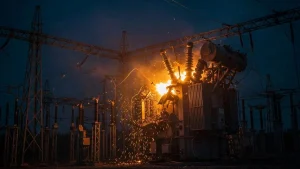
Eng beschiedegt Transformatorbushung kann zu deelweiser Entladung féieren, Isolatioun Echec, Ueleg Leckage, a souguer onerwaart Transformatorausschaltung.
Fir Power Utilities, industriell Planzen, an erneierbar Energieprojeten, Transformatorbëscher ze verstoen ass essentiell fir richteg Auswiel an Ënnerhalt.
1. Wat ass en Transformer Bushing?
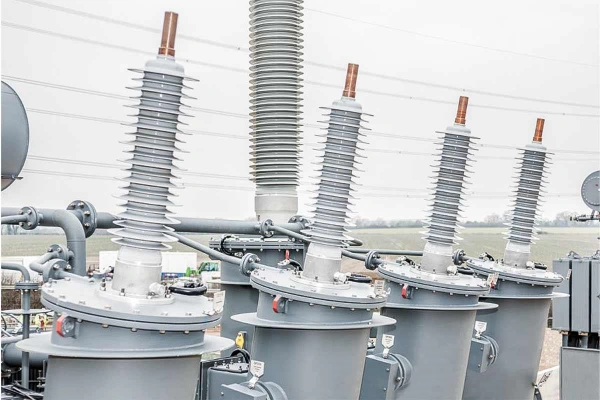
En Transformatorbësch ass en isoléierten Apparat, deen um Transformatortank installéiert ass, deen en elektresche Dirigent erlaabt sécher duerch d'Grondgebai ze passéieren.
Bannen an engem Ueleg Taucht Transformator, der Wicklung ass vun Transformator Ueleg fir Isolatioun an Ofkillung ëmgi. Allerdéngs, d'elektresch Verbindung muss ausserhalb vum Transformator verlängeren fir mat Kabelen ze verbannen, busbars, oder Schalter.
D'Transformatorbushing erstellt e sécheren Iwwergangspunkt:
Transformatorwinding → Interne Dirigent → Transformatorbushing → Extern Stroumverbindung
Ouni e passende Busch, der Héich-Volt Dirigent géif exzessiv elektresch Stress schafen a Isolatioun Echec Ursaach.
2. Wéi funktionnéiert en Transformator Bushing?
D'Haaptfuerderung vun engem Transformatorbësch ass d'Kontroll vum elektresche Feld ronderëm den Héichspannungsleiter.
High voltage creates strong electrical stress. If the stress is concentrated in one area, the insulation material may deteriorate over time.
Modern transformer bushings use multiple insulation layers and grading structures to distribute the electric field evenly.
The main components include:
| Komponent | Funktioun |
|---|---|
| Central conductor | Transfers electrical current |
| Insulation layers | Provides electrical isolation |
| Capacitive grading layers | Controls voltage distribution |
| Porcelain or composite insulator | Provides external insulation |
| Montage Flange | Fixes bushing to transformer tank |
| Sealing system | Prevents oil and moisture leakage |
A high-quality bushing must maintain stable insulation performance during:
- Normal operation;
- Short circuit conditions;
- Temperature changes;
- Environmental exposure.
3. Main Types of Transformer Bushings
Different transformer applications require different bushing designs.
3.1 Ueleg Imprägnéiert Pabeier (OIP) Bushings
Ueleg Imprägnéiert Pabeier (OIP) Bëscher gi wäit an traditionelle Kraafttransformatoren benotzt.
D'Isolatioun System besteet aus:
- Besonnesch isoléierend Pabeier;
- Konduktiv Gradéierungsschichten;
- Transformator Ueleg.
Virdeeler:
- Bewisen Technologie;
- Laang Operatioun Geschicht;
- Gëeegent fir Mëttel- an Héichspannungstransformatoren.
OIP Bëscher ginn allgemeng benotzt an:
- Verdeelungstransformatoren;
- Power transformers;
- Ënnerstatioun Equipement.
Allerdéngs, si verlaangen regelméisseg Inspektioun well Ueleg alternd a Fiichtegkeet zréck Isolatioun Leeschtung reduzéieren kann.
3.2 Harz imprägnéiert Pabeier (RIP) Bushings
RIP Bëscher benotzen Epoxyharz amplaz Ueleg als Haaptisolatiounsmaterial.
Virdeeler:
- Keen Ueleg Leckage Risiko;
- Niddereg Ënnerhalt Noutwendegkeete;
- Besser Ëmweltleeschtung.
Si ginn ëmmer méi benotzt an:
- Erneierbar Energien Ënnerstatiounen;
- Modern Muecht Netzwierker;
- Héich-Volt Uwendungen.
3.3 Porzellan vs Komposit Bushings
Den externen Isolatiounsmaterial ass eng aner wichteg Iwwerleeung.
| Fonktioun | Porzellan Bushing | Komposit Bushing |
|---|---|---|
| Mechanesch Kraaft | exzellent | exzellent |
| Gewiicht | Schwéier | Liichtgewiicht |
| Pollutioun Resistenz | Gutt | Besser |
| Impakt Resistenz | Ënneschten | Méi héich |
| Transport | Méi schwéier | Méi einfach |
Komposit Bëscher ginn populär a Küstegebidder a Regioune mat schwéierer Verschmotzung wéinst hirer exzellenter Resistenz géint Ëmweltbedéngungen.
4. Gemeinsam Transformator Bushing Failure Ursaachen
Obwuel Transformator Bëscher fir laang Liewensdauer entworf sinn, e puer Faktore kënne Versoen verursaachen.
4.1 Fiichtegkeet Ingress
Fiichtegkeet ass eng vun de gréisste Gefore fir Transformatorisolatioun.
Gemeinsam Ursaachen:
- Alterung Seals;
- Beschiedegt Dichtung;
- Ongerecht Lagerung;
- Schlecht Installatioun.
D'Feuchtigkeit reduzéiert dielektresch Kraaft a beschleunegt d'Isolatiounalterung.
4.2 Isolatioun Alterung
No Joer Operatioun, Isolatiounsmaterialien verschlechtert sech natierlech.
Typesch Schëlder enthalen:
- Erhéicht dielektresche Verloscht;
- Reduzéiert Isolatiounsresistenz;
- Deelweis Entladung Aktivitéit.
Regelméisseg Testen hëlleft Probleemer z'identifizéieren ier de Feeler geschitt.
4.3 Ueleg Leckage
Uelegleckage ass ee vun den einfachste Probleemer fir visuell z'identifizéieren.
Méiglech Grënn:
- Aging Dichtungsdichtung;
- Lose Flangeverbindung;
- Temperatur Erweiderung;
- Mechanesch Schued.
Och kleng Uelegleckage sollten iwwerpréift ginn, well et erlaabt datt d'Feuchtigkeit an d'Isolatiounssystem erakënnt.
4.4 Iwwerhëtzung
Exzessiv Temperatur kann d'Bussendämmung beschiedegen.
Méiglech Ursaachen:
- Los elektresch Verbindungen;
- Héich Kontakt Resistenz;
- Transformator Iwwerlaascht.
Laangfristeg Iwwerhëtzung reduzéiert d'Liewensdauer vum Busch wesentlech.
5. Wéi wielen ech déi richteg Transformator Bushings?
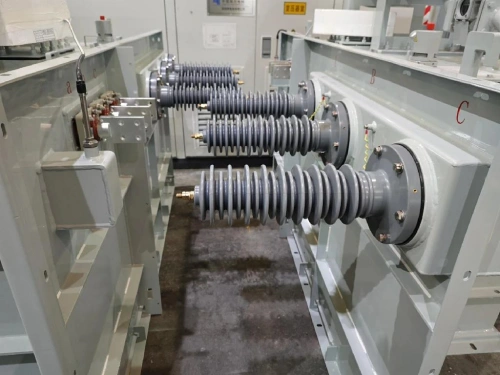
Wann Dir Transformatorbëscher kaaft oder ersetzt, Ingenieuren solle verschidde Parameteren berücksichtegen.
1. Bewäert Spannung
D'Buschspannungsbewäertung muss mat der Spannung vum Transformatorsystem passen.
Beispill:
- 11kV Transformator → 12kV Klass Busch
- 33kV Transformator → 36kV Klass Busch
2. Bewäert aktuell
De Buschstroumbewäertung muss méi héich sinn wéi de Betribsstroum vum Transformator.
Falsch Auswiel kann Iwwerhëtzung verursaachen.
3. Installatioun Dimensiounen
Ier Dir Ersatzbüschen bestallt, ëmmer confirméieren:
- Montéierung Lach Dimensiounen;
- Flange Gréisst;
- Dirigent Verbindung Typ;
- Allgemeng Héicht;
- Kreep Distanz.
Vill Ersatzproblemer geschéien well d'elektresch Parameteren richteg sinn awer déi mechanesch Dimensiounen sinn anescht.
4. Applicabel Standarden
Gemeinsam Transformator Bushing Standarden enthalen:
- IEC 60137: Isoléiert Bëscher fir AC Spannungen iwwer 1000V;
- IEEE Standards fir Muecht Equipement Uwendungen.
6. Transformator Bushings Maintenance Checkliste
Regelméisseg Inspektioun kann d'Liewensdauer vum Transformator wesentlech verlängeren.
| Inspektioun Artikel | Recommandéiert Aktioun |
|---|---|
| Ueleg Leckage | Kontrolléiert Dichtungen a Flange |
| Uewerfläch Kontaminatioun | Propper Isolatioun Uewerfläch |
| Rëss | Inspektéieren Porzeläin / Komposit Wunnengen |
| Temperatur | Iwwerwaacht anormal Heizung |
| Isolatioun Resistenz | Maacht elektresch Tester |
| Deelweis Entladung | Maacht Diagnos wann néideg |
7. Allgemeng Froen iwwer Transformer Bushings
Wéi laang dauert en Transformatorbush?
Eng qualitativ héichwäerteg Transformatorbushung kann typesch fir 20-30 Joer oder méi laang ënner korrekt Ënnerhalt funktionnéieren.
Wat bewierkt Transformator bushing Echec?
D'Haaptursaachen enthalen Feuchtigkeit, Isolatioun Alterung, Iwwerhëtzung, Ueleg Leckage, a mechanesch Schued.
Kann en Transformatorbush ersat ginn?
Jo. Ersatz ass méiglech wann déi nei Busch passt:
- Volt Bewäertung;
- Aktuell Bewäertung;
- Mechanesch Dimensiounen;
- Installatioun Ufuerderunge.
Firwat knacken Transformatorbëscher?
Rëss kann aus mechanesche Stress Resultat, Temperatur Ännerungen, alternd, oder externen Impakt.
Fabrikant beschwéiert
Als Transformator Hiersteller an Transformator Accessoiren Fournisseur, PDDN versteet datt zouverlässeg Transformatoroperatioun net nëmmen vum Transformatorkierper hänkt, awer och vun all verbonne Komponent.
Fir Transformatorbëscher Ersatz oder OEM Ufuerderunge, Clienten solle bidden:
- Transformator bewäert Spannung;
- Aktuell Bewäertung;
- Installatioun Zeechnen;
- Bestehend Buschmodell;
- Néideg Norm.
Dës Informatioun hëlleft elektresch Kompatibilitéit an zouverlässeg Installatioun ze garantéieren.
Iwwer PDDN
PDDN ass déi online Plattform vunLuoyang Datang Energy Technology Co., Ltd., Ltd., engem trauen Fabrikant beschwéiert a global Fournisseur vunMuecht transformers, transformer Accessoiren, switchgear Komponente, Batterie Energie Stockage Systemer (BESS), an EV Opluedstatiounen Léisungen. Zënter 2015, mir hunn Utilityfirmen ënnerstëtzt, EPC Entrepreneuren, an industriell Clienten weltwäit mat zouverlässeg Produiten, OEM / ODM Servicer, an technesch Expertise.
RELATED POSTS
D'Geheimnis vun Halbleiter Heizkierper hëlt Iech an déi fantastesch Welt vun elektronescher Ausrüstung!
SCR BTW69: déi geheim Waff am Beräich vun der Muecht Kontroll
thyristor Power Modul: Féierung vun der Zukunft vun der Kraaftelektronik Konversioun
Déi Stille Revolutioun: Wéi ESS Batterien e méi schlau maachen, Gréng Zukunft
CRRC krut auslännesch Investitioune fir ze verkafen 1,008,500 Dezember Aktien 27