Fornecedor de componentes eletrônicos | Transformadores, Indutores, Inversores


Neglected photovoltaic core equipment
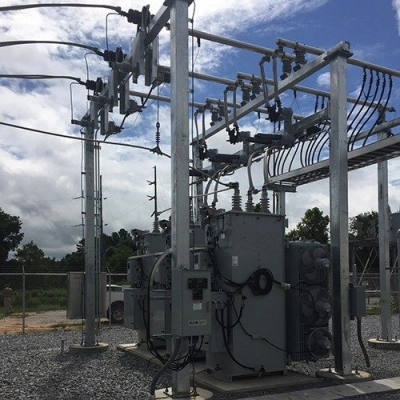
With the continuous explosive growth of global photovoltaic installed capacity in 2026, o foco da indústria geralmente está em módulos e inversores, but a key equipment is often overlooked – solar transformers.
In modern photovoltaic systems, transformers not only undertake the basic function of voltage conversion, but also gradually evolve into intelligent, digital, and monitored key node devices, playing a core role in improving grid stability, system efficiency, and energy dispatch capabilities.
What is a photovoltaic transformer?
Photovoltaic transformers are mainly used for:
- Step up the low-voltage AC power (usually 400V-800V) output by the inverter
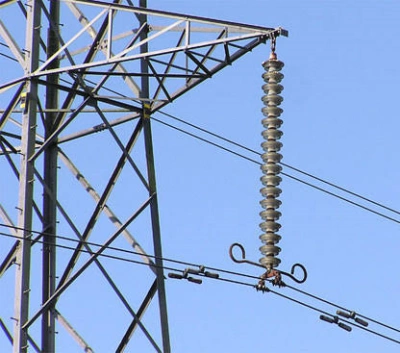
- Realize long-distance power transmission (such as 10kV-220kV)
- Ensure grid connection safety and electrical isolation
| Componente | Função |
|---|---|
| PV Panels | Generate DC electricity |
| Inversor | Converts DC → AC |
| Transformador Elevador | Raises voltage for grid |
| Switchgear | Controls and protects system |
| Grid Connection | Power distribution |
The main types of photovoltaic transformers
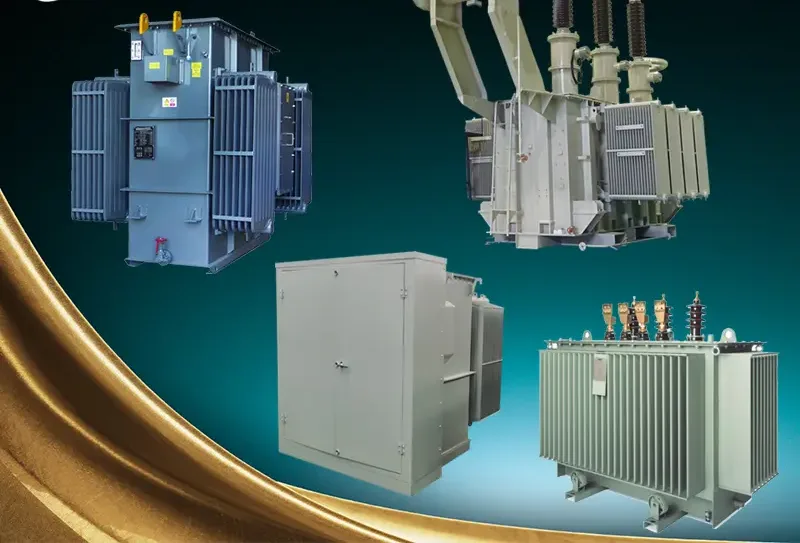
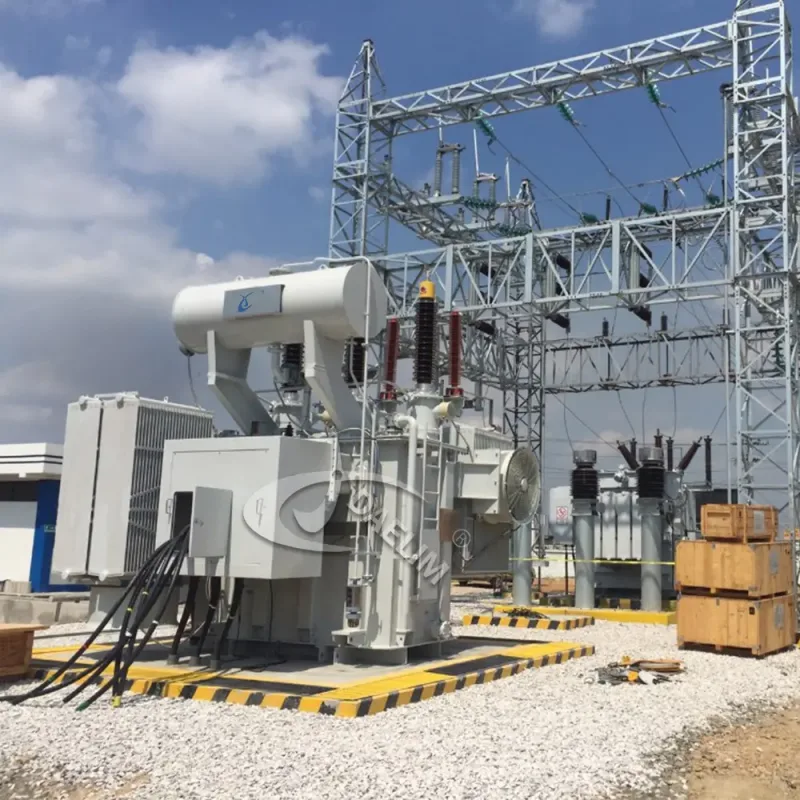
1.Transformador imerso em óleo
- Suitable for large ground power stations
- Excellent heat dissipation performance
- strong carrying capacity
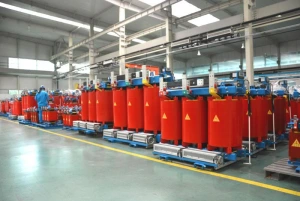
2.Transformador tipo seco
- Commonly used in industrial and commercial rooftop photovoltaics
- High safety (oil-free)
- Low maintenance cost
3.Box type transformer (pre installed)
- integrated design
- Fácil instalação
Comparison Table
| Tipo | Eficiência | Manutenção | Aplicativo |
|---|---|---|---|
| Imerso em óleo | ★★★★★ | Médio | Large solar farms |
| Tipo seco | ★★★★ | Baixo | Buildings |
| Pad-Mounted | ★★★★ | Baixo | Distributed PV |
Analysis of Key Technical Parameters
When choosing a photovoltaic transformer, it is important to pay attention to:
| Parâmetro | Descrição |
|---|---|
| Potência nominal (kVA/MVA) | Capacity of transformer |
| Relação de tensão | Input vs output voltage |
| Grupo de vetores | Phase displacement (por exemplo, Dyn11) |
| Método de resfriamento | ONAN, LIGADO DESLIGADO, etc.. |
| Impedance | Impacts fault current |
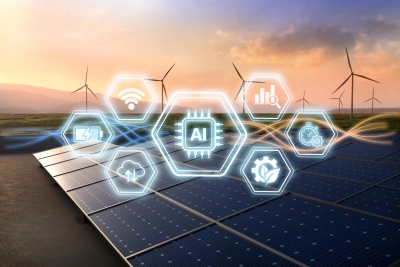
2026 Technology Trends: Intelligent Transformers
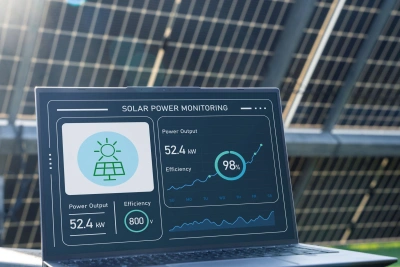
1.AI predictive maintenance
- Real time monitoring of temperature, oil quality, and load
- Early warning of faults to reduce downtime risks
2.Integration of smart grid
- Realize dynamic load adjustment
- Automatic voltage optimization
3.Tecnologia de gêmeo digital
- Building a virtual model
- Optimize operation and maintenance strategies
Design Challenges in Photovoltaic Applications
1.Strong output volatility
- Load instability caused by changes in lighting conditions
- High adaptability design is required
2.High temperature environment
- Regions such as the Middle East and Africa have extremely high temperatures
- Strict requirements for cooling system
3.Harmonic problems
- Inverter generates harmonics
- Affects the lifespan of transformers
Case analysis: 100MW photovoltaic power station
| Parâmetro | Value |
|---|---|
| Capacidade | 100 PM |
| Transformer Type | Oil-immersed |
| Tensão | 0.8kV → 132kV |
| Resfriamento | ONAN/ONAF |
| Eficiência | >99% |
How to choose a suitable photovoltaic transformer?
Suggest evaluating from the following dimensions:
- Project scale (kW/MW)
- Installation environment
- Grid connection requirements
- cooling method
- Full lifecycle cost
Tecnologia energética Co. de Luoyang Datang, Ltd. é uma empresa de alta tecnologia que integra R&D, fabricação e fornecimento de equipamentos de energia, como transformadores, novos componentes de energia, armários de distribuição e inversores. Com a inovação tecnológica como núcleo, nos concentramos na criação de soluções de energia de alta confiabilidade e alto desempenho para atender clientes globais. Com um rigoroso sistema de controle de qualidade e certificação de padrão internacional, continuamos a produzir produtos excelentes e a permitir que os clientes construam sistemas de energia seguros e estáveis.
POSTS RELACIONADOS

A diferença entre painéis solares com microinversores integrados e painéis solares comuns

Transformador

Como grandes dissipadores de calor podem melhorar o desempenho de dispositivos eletrônicos

Chinese manufacturers launch multifunctional isolation transformers, widely used in different fields
Da 'Estação de Transferência de Energia’ para ‘Nó de Energia Inteligente’: Conheça o transformador de pólo inteligente ao seu redor