


Fornecedor de componentes eletrônicos | Transformadores, Indutores, Inversores


Em modernos sistemas de transmissão e distribuição de energia, buchas de transformador are essential insulation components that ensure safe and stable electrical connection between internal windings and external circuits. Apesar de seu pequeno tamanho, they play a critical role in maintaining transformer safety and system reliability.
No entanto, many procurement teams and EPC contractors often focus on transformer specifications while overlooking bushing quality and compatibility. This can lead to serious issues such as insulation failure, superaquecimento, vazamento de óleo, or unexpected system outages.
This guide provides a complete overview of transformer bushings, including types, technical selection criteria, common failures, and procurement tips—helping you make safer and more cost-effective decisions for your power projects.
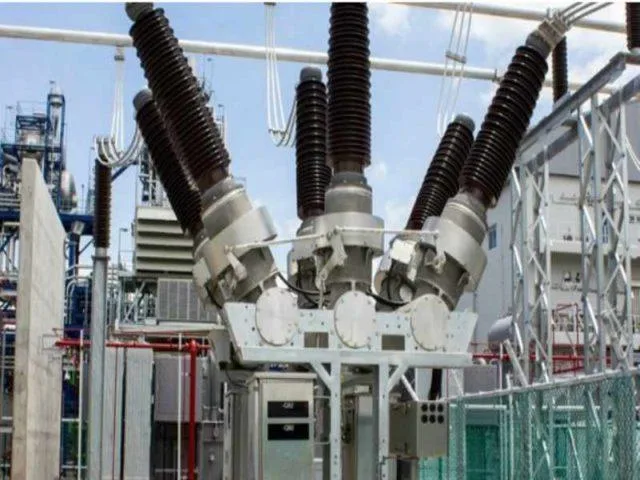
Table of Contents
- What Are Transformer Bushings?
- Principais tipos de buchas de transformador
- Key Technical Parameters for Selection
- Common Failures and Risks
- Comparison Table of Bushing Types
- How to Choose a Reliable Supplier
- Perguntas frequentes
- Conclusão & Inquiry Guidance
1. What Are Transformer Bushings?
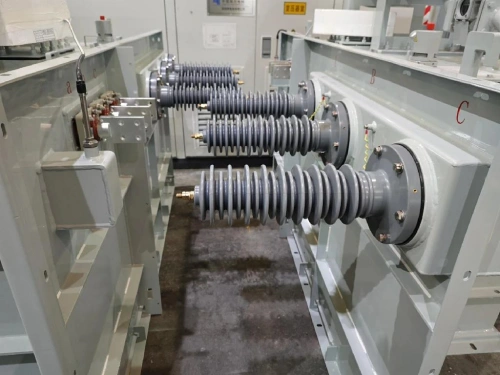
Transformer bushings are insulating devices that allow electrical conductors to safely pass through grounded transformer tanks or barriers without causing electrical breakdown.
They act as a critical interface between internal transformer windings and external power systems.
Key Functions of Transformer Bushings
- Electrical insulation between live conductors and grounded parts
- Mechanical support for high-voltage conductors
- Safe current transmission
- Protection against environmental stress such as moisture, pó, e poluição
Why Transformer Bushings Are Important
Even if a transformer is designed with high-quality core and windings, poor-quality bushings can still cause system failure. They are one of the most sensitive and failure-prone components in a power transformer system.
2. Principais tipos de buchas de transformador
Transformer bushings are available in different designs depending on voltage level, ambiente, and application requirements.
2.1 Oil-Impregnated Paper (OIP) Buchas
OIP bushings are a traditional and widely used technology in high-voltage transformer systems.
Vantagens:
- Mature and proven technology
- Alta rigidez dielétrica
- Suitable for high-voltage applications
Desvantagens:
- Requires periodic maintenance
- Sensitive to moisture contamination
2.2 Resin-Impregnated Paper (RASGAR) Buchas
RIP bushings are widely used in modern substations and smart grid systems.
Vantagens:
- Maintenance-free design
- High safety and reliability
- Excellent fire resistance
Desvantagens:
- Higher initial cost compared to OIP
2.3 Buchas de porcelana vs compósito
Porcelain Bushings
- Traditional structure
- High mechanical strength
- Heavy and more difficult to install
Composite Bushings
- Lightweight design
- High pollution resistance
- Easier transportation and installation
3. Key Technical Parameters for Selection
Selecting the right transformer bushing requires careful evaluation of multiple technical factors.
3.1 Tensão nominal
Common voltage levels include:
- 11kV
- 33kV
- 66kV
- 132kV and above
Incorrect voltage selection can result in insulation breakdown and system failure.
3.2 Current Rating
Bushings must support continuous current operation without overheating.
Typical current ratings include:
- 630UM
- 1250UM
- 2000UM
- 3150UM
3.3 Condições Ambientais
Environmental factors significantly impact bushing performance:
- Alta umidade
- Extreme temperatures
- Coastal salt contamination
- Industrial pollution
- High-altitude installation
Proper selection ensures long-term operational stability.
4. Common Failures and Risks of Poor-Quality Bushings
Low-quality or incorrectly selected bushings can lead to serious operational risks.
4.1 Overheating Issues
Caused by poor conductor design or insulation degradation.
Consequences:
- Eficiência reduzida
- Accelerated aging of insulation materials
4.2 Vazamento de óleo
Improper sealing or structural defects may cause oil leakage.
Consequences:
- Falha de isolamento
- Increased maintenance cost
- Environmental risk
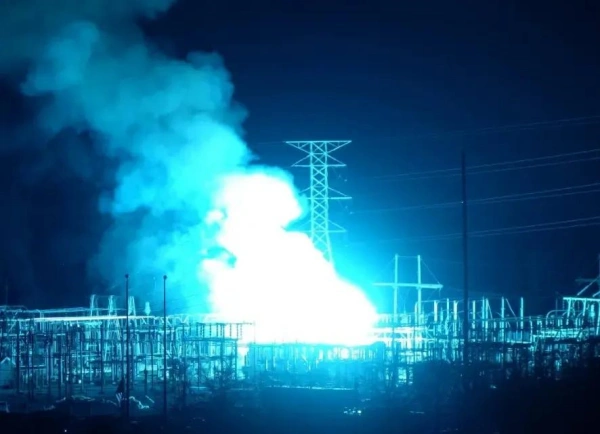
4.3 Flashover Failure
Surface contamination or insulation breakdown can lead to flashover events.
Consequences:
- Desligamento do transformador
- Fire hazards
- Power system instability
5. Comparison Table of Transformer Bushing Types
| Tipo | Manutenção | Cost Level | Vida útil | Resistência Ambiental | Aplicativo |
|---|---|---|---|---|---|
| Bucha OIP | Médio | Médio | 20–25 anos | Médio | Traditional power systems |
| Bucha RIP | Baixo | Alto | 25–30 years | Alto | Modern substations |
| Porcelana | Médio | Médio | 20+ anos | Médio | Standard outdoor systems |
| Composite | Baixo | Medium–High | 25–30 years | Alto | High pollution environments |
6. How to Choose a Reliable Transformer Bushing Supplier
Selecting the right supplier is critical for ensuring product reliability and long-term performance.
Key Evaluation Criteria
- Conformidade com IEC / IEEE standards
- Factory testing and quality control capability
- Type test and routine test reports
- Export experience in global power projects
- Engineering customization capability
Common Procurement Mistake
Many buyers choose suppliers based only on price, ignoring:
- Long-term reliability
- Desempenho de isolamento
- Certification standards
- Real field application experience
7. Perguntas frequentes
1º trimestre: What is the service life of a transformer bushing?
Most transformer bushings have a service life of 20 para 30 anos, depending on operating conditions and maintenance.
2º trimestre: What are the most common causes of failure?
The most common causes include moisture ingress, envelhecimento do isolamento, and surface contamination.
Q3: Can transformer bushings be customized?
Sim. Nível de tensão, classificação atual, estrutura, and installation design can be customized based on project requirements.
8. Conclusão & Inquiry Guidance
Transformer bushings are small components, but they play a vital role in ensuring transformer safety and system reliability. Choosing the right type based on voltage level, ambiente, and application requirements can significantly reduce operational risks and maintenance costs.
If you are sourcing transformer bushings for power projects, subestações, or transformer manufacturing, professional technical support can help you avoid costly selection mistakes.
👉 Send us your technical specifications for quotation and engineering support.
Author Information
Autor: Sunny Zhang
Transformer Equipment & Power System Specialist
Luoyang Datang EnergyTech Co., Ltda.
Specialized in transformer manufacturing, export trade, and power transmission & distribution equipment solutions.
References
- CEI 60137: Insulated Bushings for AC Voltages
- IEEE Transformer Standards (C57 Series)
- Utility Power Grid Procurement Specifications
- Field Operation and Maintenance Reports
POSTS RELACIONADOS

Qual é a diferença entre um inversor híbrido e um inversor padrão?
Inversores Híbridos: A solução de energia inteligente para sistemas de energia modernos

O transformador eletrônico tiristor: O novo líder em conversão de energia

Transformador Inteligente: O regulador de tensão inteligente
Tendências futuras de desenvolvimento de tecnologia de armazenamento de energia e transformadores: Elementos-chave da transição energética global
