Soláthraí Comhpháirteanna Leictreonacha | Claochladáin, Ionduchtóirí, Inverters


I gcórais nua-aimseartha tarchurtha agus dáileacháin cumhachta, bushings claochladán is comhpháirteanna inslithe riachtanacha iad a áirithíonn nasc leictreach sábháilte agus cobhsaí idir foirceannadh inmheánacha agus ciorcaid sheachtracha. In ainneoin a mbeagmhéid, tá ról ríthábhachtach acu maidir le sábháilteacht claochladáin agus iontaofacht an chórais a chothabháil.
Mar sin féin, is minic a dhíríonn go leor foirne soláthair agus conraitheoirí EPC ar shonraíochtaí claochladán agus iad ag breathnú amach ar cháilíocht agus ar chomhoiriúnacht bushing. D'fhéadfadh saincheisteanna tromchúiseacha a bheith mar thoradh air seo mar mhainneachtain inslithe, róthéamh, sceitheadh ola, nó bristeacha córais gan choinne.
Soláthraíonn an treoir seo forbhreathnú iomlán ar bushings claochladáin, lena n-áirítear cineálacha, critéir roghnúcháin theicniúla, teipeanna coitianta, agus leideanna soláthair - ag cabhrú leat cinntí níos sábháilte agus níos cost-éifeachtaí a dhéanamh maidir le do thionscadail chumhachta.
Clár na nÁbhar
- Cad iad Bushings Trasfhoirmeoir?
- Príomhchineálacha Toisí Trasfhoirmeora
- Príomhpharaiméadair Theicniúla don Roghnú
- Teipeanna agus Rioscaí Coiteann
- Tábla Comparáide de Chineálacha Toisithe
- Conas Soláthraí Iontaofa a Roghnú
- CCanna
- Conclúid & Treoir Fiosrúcháin
1. Cad iad Bushings Trasfhoirmeoir?
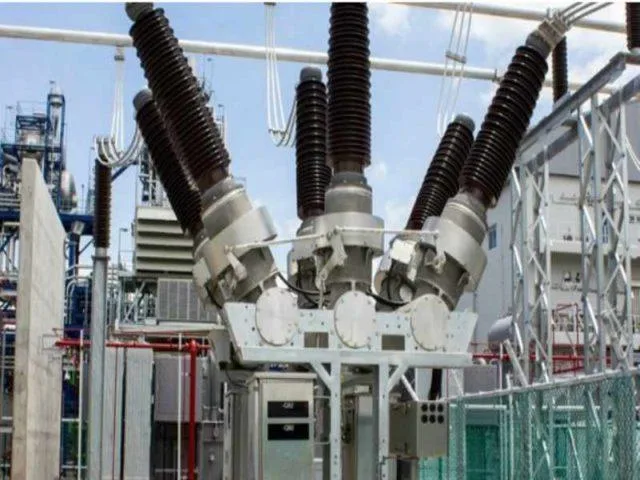
Is gléasanna inslithe iad toir trasfhoirmeoirí a ligeann do sheoltóirí leictreacha dul go sábháilte trí umair nó bacainní claochladán talún gan briseadh síos leictreach..
Feidhmíonn siad mar chomhéadan ríthábhachtach idir foirceannadh claochladáin inmheánacha agus córais chumhachta seachtracha.
Príomhfheidhmeanna na Bushings Trasfhoirmeoir
- Insliú leictreach idir seoltóirí beo agus páirteanna talún
- Tacaíocht mheicniúil do sheoltóirí ardvoltais
- Tarchur sruth sábháilte
- Cosaint i gcoinne strus comhshaoil ar nós taise, deannach, agus truailliú
Cén Fáth a Bhfuil Taisteal Claochladáin Tábhachtach
Fiú má tá claochladán deartha le croí agus foirceannadh ardchaighdeáin, is féidir le toir droch-chaighdeán a bheith ina gcúis le teip córais fós. Tá siad ar cheann de na comhpháirteanna is íogaire agus is mó seans go dteipeann orthu i gcóras claochladán cumhachta.
2. Príomhchineálacha Toisí Trasfhoirmeora
Tá bushings claochladáin ar fáil i ndearaí éagsúla ag brath ar leibhéal voltais, timpeallacht, agus riachtanais iarratais.
2.1 Páipéar Ola-Thumtha (OIP) Bushings
Is teicneolaíocht thraidisiúnta a úsáidtear go forleathan i gcórais claochladáin ardvoltais iad bushings OIP.
Buntáistí:
- Teicneolaíocht aibí agus chruthaithe
- Neart tréleictreach ard
- Oiriúnach d'iarratais ardvoltais
Míbhuntáistí:
- Éilíonn cothabháil tréimhsiúil
- Íogaire do éilliú taise
2.2 Páipéar Tuilte Roisín (RIP) Bushings
Úsáidtear bushings RIP go forleathan i bhfostáisiúin nua-aimseartha agus i gcórais eangaí cliste.
Buntáistí:
- Dearadh saor ó chothabháil
- Ard-sábháilteacht agus iontaofacht
- Friotaíocht dóiteáin den scoth
Míbhuntáistí:
- Costas tosaigh níos airde i gcomparáid le OIP
2.3 Poircealláin vs Bushings Ilchodacha
Bushings poircealláin
- Struchtúr traidisiúnta
- Neart meicniúil ard
- Trom agus níos deacra a shuiteáil
Bushings Ilchodacha
- Dearadh éadrom
- Friotaíocht ard truaillithe
- Iompar agus suiteáil níos éasca
3. Príomhpharaiméadair Theicniúla don Roghnú
Teastaíonn meastóireacht chúramach ar iliomad fachtóirí teicniúla chun an claochladán ceart a bhrú chun cinn.
3.1 Voltas Rátáilte
Áirítear le leibhéil voltas coitianta:
- 11kV
- 33kV
- 66kV
- 132kV agus os a chionn
D'fhéadfadh briseadh inslithe agus teip córais a bheith mar thoradh ar roghnú voltais mícheart.
3.2 Rátáil Reatha
Caithfidh toir tacú le hoibriú reatha leanúnach gan róthéamh.
Áirítear ar rátálacha reatha tipiciúil:
- 630A
- 1250A
- 2000A
- 3150A
3.3 Coinníollacha Comhshaoil
Bíonn tionchar suntasach ag fachtóirí comhshaoil ar fheidhmíocht bushing:
- Taise ard
- Teochtaí foircneacha
- Éilliú salainn cois cósta
- Truailliú tionsclaíoch
- Suiteáil ard-airde
Cinntíonn roghnú cuí cobhsaíocht oibriúcháin fhadtéarmach.
4. Teipeanna Coitianta agus Rioscaí a bhaineann le Toisí ar Dhrochchaighdeán
D'fhéadfadh rioscaí oibriúcháin tromchúiseacha a bheith mar thoradh ar thrusairí atá ar chaighdeán íseal nó a roghnaíodh go mícheart.
4.1 Saincheisteanna Róthéamh
De bharr droch-dhearadh seoltóra nó díghrádú inslithe.
Iarmhairtí:
- Éifeachtúlacht laghdaithe
- Aosú luathaithe na n-ábhar inslithe
4.2 Sceitheadh Ola
D'fhéadfadh sceitheadh ola a bheith ina chúis le séalaithe míchuí nó lochtanna struchtúracha.
Iarmhairtí:
- Teip inslithe
- Costas cothabhála méadaithe
- Riosca comhshaoil
4.3 Teip Flashover
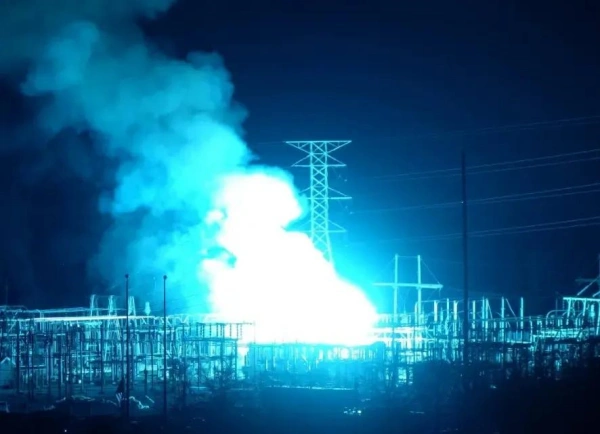
D'fhéadfadh imeachtaí flashover a bheith mar thoradh ar éilliú dromchla nó briseadh inslithe.
Iarmhairtí:
- Múchadh an claochladáin
- Guaiseacha dóiteáin
- Éagobhsaíocht an chórais chumhachta
5. Tábla Comparáide de Chineálacha Toisithe Trasfhoirmeora
| Cineál | Cothabháil | Leibhéal Costais | Saol Seirbhíse | Friotaíocht Timpeallachta | Iarratas |
|---|---|---|---|---|---|
| OIP Bushing | Meánach | Meánach | 20–25 bliain | Meánach | Córais chumhachta traidisiúnta |
| RIP Bushing | Íseal | Ard | 25–30 bliain | Ard | Fostáisiúin nua-aimseartha |
| poircealláin | Meánach | Meánach | 20+ blianta | Meánach | Córais caighdeánacha lasmuigh |
| Ilchodach | Íseal | Meán-Ard | 25–30 bliain | Ard | Timpeallachtaí ard truaillithe |
6. Conas Soláthraí Bushing Trasfhoirmeoir Iontaofa a Roghnú
Tá sé ríthábhachtach an soláthraí ceart a roghnú chun iontaofacht táirge agus feidhmíocht fhadtéarmach a chinntiú.
Príomhchritéir Mheasúnaithe
- Comhlíonadh IEC / Caighdeáin IEEE
- Tástáil mhonarcha agus cumas rialaithe cáilíochta
- Cineál tuarascálacha tástála agus tástála gnáthaimh
- Taithí easpórtála i dtionscadail chumhachta domhanda
- Cumas saincheaptha innealtóireachta
Botún Soláthair Choitianta
Roghnaíonn go leor ceannaitheoirí soláthraithe bunaithe ar phraghas amháin, neamhaird:
- Iontaofacht fhadtéarmach
- Feidhmíocht inslithe
- Caighdeáin deimhniúcháin
- Taithí iarratais réimse fíor
7. CCanna
C1: Cad é an saol seirbhíse de bushing claochladáin?
Tá saol seirbhíse an chuid is mó de na bushings claochladáin 20 chuig 30 blianta, ag brath ar choinníollacha oibriúcháin agus cothabhála.
C2: Cad iad na cúiseanna is coitianta le teip?
Áirítear ar na cúiseanna is coitianta dul isteach taise, inslithe ag dul in aois, agus éilliú dromchla.
C3: An féidir bushings claochladáin a shaincheapadh?
Tá. Leibhéal voltais, rátáil reatha, struchtúr, agus is féidir dearadh suiteála a shaincheapadh bunaithe ar riachtanais an tionscadail.
8. Conclúid & Treoir Fiosrúcháin
Is comhpháirteanna beaga iad bushings claochladáin, ach tá ról ríthábhachtach acu maidir le sábháilteacht claochladáin agus iontaofacht an chórais a chinntiú. Roghnú an cineál ceart bunaithe ar an leibhéal voltais, timpeallacht, agus is féidir le ceanglais iarratais rioscaí oibriúcháin agus costais chothabhála a laghdú go suntasach.
Má tá tú ag teacht ar bushings claochladán le haghaidh tionscadal cumhachta, fostáisiúin, nó déantúsaíocht claochladáin, is féidir le tacaíocht theicniúil ghairmiúil cabhrú leat botúin roghnúcháin costasacha a sheachaint.
👉 Seol do shonraíochtaí teicniúla chugainn le haghaidh luachan agus tacaíocht innealtóireachta.
Eolas Údair
Údar: Grianmhar Zhang
Trealamh Trasfhoirmeoir & Speisialtóir Córas Cumhachta
Luoyang Datang EnergyTech Co., Teo.
Speisialaithe i ndéantúsaíocht claochladáin, trádáil onnmhairithe, agus tarchur cumhachta & réitigh trealamh dáileacháin.
Tagairtí
- IEC 60137: Toisí inslithe le haghaidh Voltas AC
- Caighdeáin Trasfhoirmeora IEEE (Sraith C57)
- Sonraíochtaí Soláthair Greille Cumhachta Fóntais
- Tuarascálacha Oibriúcháin agus Cothabhála Allamuigh
POSTAÍ GAOLMHARA

Cén ról atá ag leictreonaic SCR i réimse an rialaithe cumhachta?
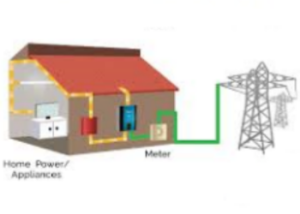
Inverter Baile: Uirlis chumhachtach le haghaidh comhshó cumhachta, maor cliste fuinnimh baile
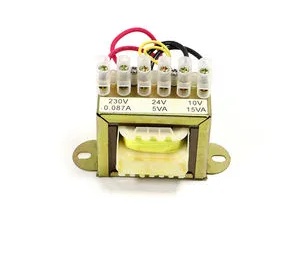
Trasfhoirmeoirí Dáilte agus Cumhachta: Cnámh droma Chiúin na hEangaí Nua-Aimseartha

Cabhraíonn inslitheoirí ceirmeacha leis an tionscal leictreonach: oibriú cobhsaí gléasanna leictreonacha ardvoltais agus ardchumhachta

Trasfhoirmeoir Céim chun Tosaigh: Feidhmchláir Ardvoltais a Chumhachtú go hÉifeachtach