Поставщик электронных компонентов | Трансформеры, Индукторы, Инверторы


Введение
Wind energy is one of the fastest-growing renewable energy sources, иtransformers used in wind turbines play a crucial role in efficient power transmission. Эти трансформаторы обеспечивают регулирование напряжения., совместимость с сеткой, и энергоэффективность. В этой статье исследуютсяtypes of transformers in wind turbines, their functions, критерии выбора, and the latest industry trends.
Why Are Transformers Essential in Wind Turbines?
Transformers used in wind turbines serve three primary purposes:
- Step-Up Voltage Conversion – Wind turbines generate low-voltage electricity (typically 690V), which must be stepped up to grid-level voltage (11kV-33kV or higher).
- Изоляция & Защита – They provide electrical isolation, protecting the turbine and grid from faults.
- Efficiency Optimization – High-quality transformers minimize energy losses during transmission.
Types of Transformers Used in Wind Turbines
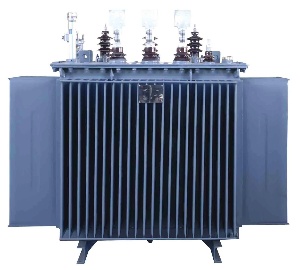
1. Трансформаторы на подставке
- Расположение: Installed at the base of the turbine.
- Преимущества: Компактный, weather-resistant, easy maintenance.
- Common Use: Onshore wind farms.
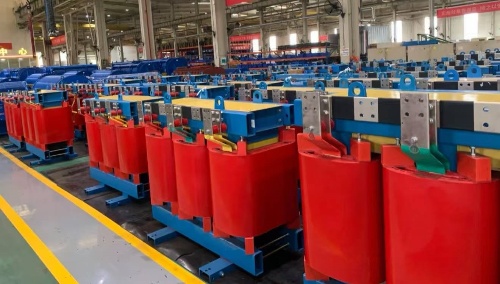
2. Трансформаторы сухого типа
- Метод охлаждения: с воздушным охлаждением (нет масла), сделать их экологически чистыми.
- Benefits: Огнестойкий, низкие эксплуатационные расходы, suitable for offshore turbines.
- Drawbacks: Lower power capacity compared to oil-filled transformers.
3. Масляные трансформаторы
- Метод охлаждения: Oil-insulated for better heat dissipation.
- Преимущества: Higher efficiency, ideal for high-power wind turbines.
- Проблемы: Environmental concerns due to oil leakage risks.
4. Cast Resin Transformers
- Дизайн: Encased in epoxy resin for enhanced durability.
- Best For: Суровые условия (offshore wind farms).
- Плюсы: Moisture-resistant, долгий срок службы.
Key Factors When Selecting Transformers for Wind Turbines
1. Эффективность & Energy Losses
- Look for low no-load losses (important since turbines often operate at partial capacity).
- High-efficiency transformers (например, amorphous core) reduce operational costs.
2. Условия окружающей среды
- Offshore turbines need corrosion-resistant, waterproof transformers.
- Onshore transformers must withstand dust, влажность, и колебания температуры.
3. Grid Compatibility
- Ensure the transformer matches grid voltage requirements (например, 33кВ, 66кВ, or 132kV).
- Smart transformers with IoT monitoring are becoming popular for grid stability.
4. Обслуживание & Lifespan
- Dry-type and cast resin transformers require less maintenance.
- Oil-filled transformers need regular inspections to prevent leaks.
Latest Trends in Wind Turbine Transformers
1. Smart Transformers with IoT Integration
- Real-time monitoring of Напряжение, температура, and load conditions.
- Predictive maintenance reduces downtime.
2. Amorphous Metal Core Transformers
- 30% lower core losses than traditional silicon steel transformers.
- Увеличение внедрения в offshore wind projects.
3. Модульный & Compact Designs
- Easier installation and replacement in floating wind turbines.
4. Eco-Friendly Alternatives
- Biodegradable ester oils replacing mineral oil for safer, sustainable insulation.

Заключение
Transformers used in wind turbines are critical for efficient power generation and grid integration. Choosing the right type—whetherна подставке, сухой тип, or oil-immersed—depends on location, efficiency needs, and environmental factors. Emerging trends likesmart transformers and amorphous cores are shaping the future of wind energy.
ПОХОЖИЕ ПОСТЫ
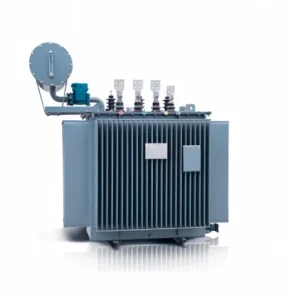
Подстанция и трансформатор: Основа современных энергетических систем
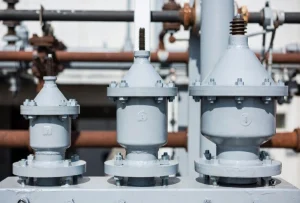
Руководство по выбору устройства сброса давления трансформатора: Как избежать дорогостоящих отказов трансформатора и выбрать правильный PRD

Калькулятор управления фазой тиристора: эффективный инструмент для точного управления фазой тиристора

Мощный инструмент для управления отоплением: тиристорный модуль
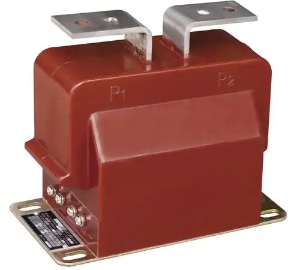
Трансформаторы тока Сименс: Прецизионные измерения для современных энергетических систем