


Fornitore di componenti elettronici | Trasformatori, Induttori, Invertitori


Introduzione
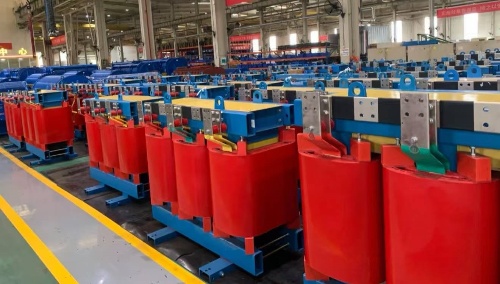
Wind energy is one of the fastest-growing renewable energy sources, Etransformers used in wind turbines play a crucial role in efficient power transmission. Questi trasformatori garantiscono la regolazione della tensione, compatibilità con la rete, ed efficienza energetica. Questo articolo esplora iltypes of transformers in wind turbines, their functions, criteri di selezione, and the latest industry trends.
Why Are Transformers Essential in Wind Turbines?
Trasformatori utilizzati nelle turbine eoliche serve three primary purposes:
- Step-Up Voltage Conversion – Wind turbines generate low-voltage electricity (typically 690V), which must be stepped up to grid-level voltage (11kV-33kV or higher).
- Isolamento & Protezione – They provide electrical isolation, protecting the turbine and grid from faults.
- Efficiency Optimization – High-quality transformers minimize energy losses during transmission.
Types of Transformers Used in Wind Turbines
1. Trasformatori montati su pad
- Posizione: Installed at the base of the turbine.
- Vantaggi: Compatto, resistente agli agenti atmosferici, facile manutenzione.
- Common Use: Onshore wind farms.
2. Trasformatori a secco
- Metodo di raffreddamento: Raffreddato ad aria (no oil), making them eco-friendly.
- Vantaggi: Fire-resistant, low maintenance, suitable for offshore turbines.
- Drawbacks: Lower power capacity compared to oil-filled transformers.
3. Trasformatori in olio
- Metodo di raffreddamento: Oil-insulated for better heat dissipation.
- Vantaggi: Maggiore efficienza, ideal for high-power wind turbines.
- Sfide: Environmental concerns due to oil leakage risks.
4. Cast Resin Transformers
- Progetto: Encased in epoxy resin for enhanced durability.
- Ideale per: Ambienti difficili (offshore wind farms).
- Pro: Moisture-resistant, lunga durata.
Key Factors When Selecting Transformers for Wind Turbines
1. Efficienza & Perdite di energia
- Cercare low no-load losses (important since turbines often operate at partial capacity).
- Trasformatori ad alta efficienza (per esempio., amorphous core) reduce operational costs.
2. Condizioni ambientali
- Offshore turbines need corrosion-resistant, waterproof transformers.
- Onshore transformers must withstand dust, umidità, e fluttuazioni di temperatura.
3. Grid Compatibility
- Ensure the transformer matches grid voltage requirements (per esempio., 33kV, 66kV, or 132kV).
- Smart transformers with IoT monitoring are becoming popular for grid stability.
4. Manutenzione & Lifespan
- Dry-type and cast resin transformers require less maintenance.
- Oil-filled transformers need regular inspections to prevent leaks.
Latest Trends in Wind Turbine Transformers
1. Smart Transformers with IoT Integration
- Real-time monitoring of voltaggio, temperatura, and load conditions.
- Predictive maintenance reduces downtime.
2. Amorphous Metal Core Transformers
- 30% lower core losses than traditional silicon steel transformers.
- Aumentare l'adozione in offshore wind projects.
3. Modulare & Design compatti
- Easier installation and replacement in floating wind turbines.
4. Eco-Friendly Alternatives
- Biodegradable ester oils replacing mineral oil for safer, sustainable insulation.
Conclusione
Trasformatori utilizzati nelle turbine eoliche are critical for efficient power generation and grid integration. Choosing the right type—whethermontato su pad, di tipo secco, or oil-immersed—depends on location, efficiency needs, and environmental factors. Emerging trends likesmart transformers and amorphous cores are shaping the future of wind energy.
POST CORRELATI

Come progettare e ottimizzare l'efficienza di un dispositivo a diodi a recupero rapido

Rivelando l'inverter solare fotovoltaico: L'arma segreta della produzione di energia solare fotovoltaica

Si prevede che il mercato dei trasformatori di alimentazione principali ad alta tensione verrà raggiunto $36.9 miliardi di 2032, con un tasso di crescita annuo composto di 6.9%
Sistemi di energia solare fuori rete: La guida definitiva all'indipendenza energetica
Costo del trasformatore di corrente: Fattori, Tendenze, e guida all'acquisto
