電子部品サプライヤー | トランスフォーマー, インダクタ, インバータ


導入
Wind energy is one of the fastest-growing renewable energy sources, そしてtransformers used in wind turbines play a crucial role in efficient power transmission. これらの変圧器は電圧調整を保証します, グリッドの互換性, とエネルギー効率. この記事では、types of transformers in wind turbines, their functions, 選択基準, and the latest industry trends.
Why Are Transformers Essential in Wind Turbines?
風力タービンで使用される変圧器 serve three primary purposes:
- Step-Up Voltage Conversion – Wind turbines generate low-voltage electricity (typically 690V), which must be stepped up to grid-level voltage (11kV-33kV or higher).
- 分離 & 保護 – They provide electrical isolation, protecting the turbine and grid from faults.
- Efficiency Optimization – High-quality transformers minimize energy losses during transmission.
Types of Transformers Used in Wind Turbines
1. パッドマウント変圧器
- 位置: Installed at the base of the turbine.
- 利点: コンパクト, weather-resistant, 簡単なメンテナンス.
- Common Use: Onshore wind farms.
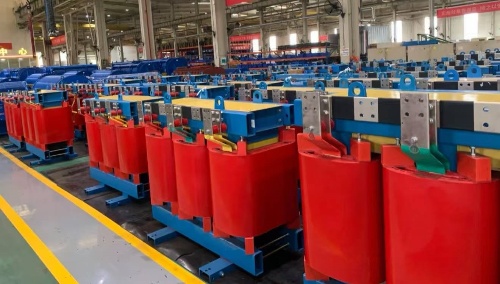
2. 乾式変圧器
- 冷却方法: 空冷 (no oil), 環境に優しいものにする.
- 利点: 耐火性, メンテナンスの手間がかからない, suitable for offshore turbines.
- Drawbacks: Lower power capacity compared to oil-filled transformers.
3. 油入変圧器
- 冷却方法: Oil-insulated for better heat dissipation.
- 利点: Higher efficiency, ideal for high-power wind turbines.
- 課題: Environmental concerns due to oil leakage risks.
4. 鋳造樹脂変圧器
- デザイン: Encased in epoxy resin for enhanced durability.
- 最適な用途: Harsh environments (offshore wind farms).
- 長所: Moisture-resistant, 長寿命.
Key Factors When Selecting Transformers for Wind Turbines
1. 効率 & Energy Losses
- 探す low no-load losses (important since turbines often operate at partial capacity).
- High-efficiency transformers (例えば, amorphous core) reduce operational costs.
2. 環境条件
- Offshore turbines need corrosion-resistant, waterproof transformers.
- Onshore transformers must withstand dust, 湿度, 温度変動と.
3. グリッドの互換性
- Ensure the transformer matches grid voltage requirements (例えば, 33kV, 66kV, or 132kV).
- Smart transformers with IoT monitoring are becoming popular for grid stability.
4. メンテナンス & 寿命
- Dry-type and cast resin transformers require less maintenance.
- Oil-filled transformers need regular inspections to prevent leaks.
Latest Trends in Wind Turbine Transformers
1. IoT統合を備えたスマート変圧器
- Real-time monitoring of 電圧, 温度, and load conditions.
- Predictive maintenance reduces downtime.
2. アモルファスメタルコア変圧器
- 30% lower core losses than traditional silicon steel transformers.
- Increasing adoption in offshore wind projects.
3. Modular & コンパクトな設計
- Easier installation and replacement in floating wind turbines.
4. 環境に優しい代替品
- Biodegradable ester oils replacing mineral oil for safer, sustainable insulation.

結論
風力タービンで使用される変圧器 are critical for efficient power generation and grid integration. Choosing the right type—whetherパッド取り付け型, 乾式, or oil-immersed—depends on location, efficiency needs, and environmental factors. Emerging trends likesmart transformers and amorphous cores are shaping the future of wind energy.