Pemasok Komponen Elektronik | transformator, Induktor, Inverter


Perkenalan
Wind energy is one of the fastest-growing renewable energy sources, Dantransformers used in wind turbines play a crucial role in efficient power transmission. Transformator ini memastikan pengaturan tegangan, kompatibilitas jaringan, dan efisiensi energi. This article explores thetypes of transformers in wind turbines, their functions, kriteria seleksi, and the latest industry trends.
Why Are Transformers Essential in Wind Turbines?
Transformator yang digunakan pada turbin angin serve three primary purposes:
- Step-Up Voltage Conversion – Wind turbines generate low-voltage electricity (typically 690V), which must be stepped up to grid-level voltage (11kV-33kV or higher).
- Isolasi & Perlindungan – They provide electrical isolation, protecting the turbine and grid from faults.
- Efficiency Optimization – High-quality transformers minimize energy losses during transmission.
Types of Transformers Used in Wind Turbines
1. Pad-Mounted Transformers
- Location: Installed at the base of the turbine.
- Keuntungan: Compact, weather-resistant, easy maintenance.
- Common Use: Onshore wind farms.
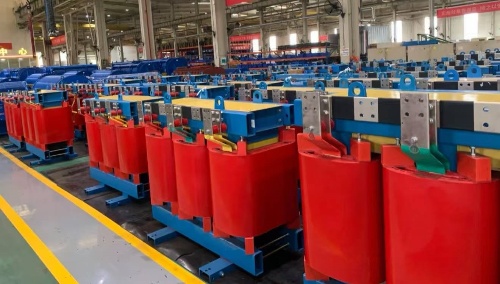
2. Transformator Tipe Kering
- Metode Pendinginan: Air-cooled (no oil), menjadikannya ramah lingkungan.
- Benefits: Fire-resistant, low maintenance, suitable for offshore turbines.
- Drawbacks: Lower power capacity compared to oil-filled transformers.
3. Oil-Immersed Transformers
- Metode Pendinginan: Oil-insulated for better heat dissipation.
- Keuntungan: Higher efficiency, ideal for high-power wind turbines.
- Challenges: Environmental concerns due to oil leakage risks.
4. Cast Resin Transformers
- Design: Encased in epoxy resin for enhanced durability.
- Best For: Harsh environments (offshore wind farms).
- Pros: Moisture-resistant, long lifespan.
Key Factors When Selecting Transformers for Wind Turbines
1. Efficiency & Energy Losses
- Look for low no-load losses (important since turbines often operate at partial capacity).
- High-efficiency transformers (misalnya, amorphous core) reduce operational costs.
2. Environmental Conditions
- Offshore turbines need corrosion-resistant, waterproof transformers.
- Onshore transformers must withstand dust, kelembaban, dan fluktuasi suhu.
3. Grid Compatibility
- Ensure the transformer matches grid voltage requirements (misalnya, 33persegi panjang, 66persegi panjang, or 132kV).
- Smart transformers with IoT monitoring are becoming popular for grid stability.
4. Pemeliharaan & Lifespan
- Dry-type and cast resin transformers require less maintenance.
- Oil-filled transformers need regular inspections to prevent leaks.
Latest Trends in Wind Turbine Transformers
1. Smart Transformers with IoT Integration
- Real-time monitoring of voltase, suhu, and load conditions.
- Predictive maintenance reduces downtime.
2. Amorphous Metal Core Transformers
- 30% lower core losses than traditional silicon steel transformers.
- Increasing adoption in offshore wind projects.
3. Modular & Compact Designs
- Easier installation and replacement in floating wind turbines.
4. Eco-Friendly Alternatives
- Biodegradable ester oils replacing mineral oil for safer, sustainable insulation.

Conclusion
Transformator yang digunakan pada turbin angin are critical for efficient power generation and grid integration. Choosing the right type—whetherdipasang pada bantalan, tipe kering, or oil-immersed—depends on location, efficiency needs, and environmental factors. Emerging trends likesmart transformers and amorphous cores are shaping the future of wind energy.
POSTINGAN TERKAIT
Raising Salaries Doesn’t Work! The Truth Behind the Factory Electrician “Turnover Tide” and How to Fix It
Transformer Pole Mounted: The Unsung Hero of Modern Power Distribution
Pompa Panas Sumber Udara di Pertanian dan Industri: Dari Pemanasan Rumah Kaca hingga Sistem Energi Terintegrasi
LED Transformer Buying Guide – Jenis, Selection & Pricing

How small can an inverter be?