Electronic Components Supplier | Transformers, Inductors, Inverters


The global power industry is entering a period of profound transformation. Renewable energy integration, AI-driven energy management, EV charging expansion, and industrial electrification are forcing utilities and manufacturers to rethink the traditional electrical grid. In this transition, one product is quietly evolving from a passive electrical device into an intelligent energy node: the smart transformer.
For decades, transformers were designed mainly for voltage conversion and power transmission. Reliability, insulation performance, and thermal stability were the primary concerns. But modern power systems now demand much more. Utilities require real-time monitoring, predictive maintenance, remote diagnostics, load optimization, and integration with digital energy platforms.
As a result, smart transformers are becoming one of the most strategic assets in modern electrical infrastructure.
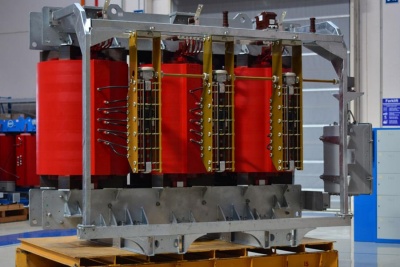
Discover how smart transformers are transforming modern power grids with AI monitoring, IoT connectivity, predictive maintenance, and renewable energy integration.
What Is a Smart Transformer?
A smart transformer combines conventional transformer technology with digital monitoring, communication systems, sensors, and intelligent control functions.
Unlike traditional transformers, smart transformers can:
- Monitor operating conditions in real time
- Detect abnormal temperature rise
- Analyze dissolved gas conditions
- Predict insulation aging
- Optimize load balancing
- Communicate with SCADA and smart grid systems
- Enable remote diagnostics and maintenance
This evolution dramatically improves operational reliability while reducing downtime and maintenance costs.
Why the Market Demand Is Accelerating
Several global trends are driving the rapid adoption of smart transformers.
1. Renewable Energy Integration
Solar and wind generation introduce unstable and fluctuating power flows into electrical networks. Conventional transformers struggle to adapt efficiently to variable load conditions.
Smart transformers help stabilize these systems by dynamically managing voltage and load behavior.
2. Rapid EV Charging Expansion
Electric vehicle charging stations create sudden high-load demand spikes. Smart transformers provide:
- Better load forecasting
- Dynamic voltage regulation
- Improved energy distribution efficiency
This is especially important in urban fast-charging infrastructure.
3. Aging Power Grid Infrastructure
Many electrical grids in North America, Europe, Africa, and Asia still rely on aging transformer fleets.
Utilities are now replacing legacy equipment with intelligent alternatives that support:
- Predictive maintenance
- Remote monitoring
- Reduced outage risk
- Lower lifecycle costs
4. Industrial Digitalization
Factories are increasingly adopting Industry 4.0 systems. Smart transformers integrate seamlessly with modern industrial energy management platforms.
This allows manufacturers to monitor energy quality, optimize consumption, and improve operational efficiency.
Key Technologies Inside Smart Transformers
Modern smart transformers combine multiple advanced technologies into one integrated system.
Online Monitoring Systems
These systems continuously monitor:
| Parameter | Purpose |
|---|---|
| Oil temperature | Prevent overheating |
| Winding temperature | Detect abnormal load conditions |
| Dissolved gas analysis (DGA) | Early fault diagnosis |
| Moisture content | Insulation protection |
| Partial discharge | Prevent insulation failure |
| Load current | Capacity optimization |
IoT and Cloud Connectivity
Industrial IoT technology enables transformers to send real-time operational data to cloud platforms.
This allows:
- Remote supervision
- Centralized asset management
- AI-based fault prediction
- Smart maintenance scheduling
Utilities can manage thousands of transformers from a single control center.
AI-Based Predictive Maintenance
Traditional maintenance schedules are time-based.
Smart transformers shift maintenance toward condition-based management.
AI algorithms analyze operational data to predict:
- Insulation degradation
- Cooling system failures
- Abnormal vibration
- Potential short-circuit risks
This reduces unexpected outages and significantly lowers operational expenses.
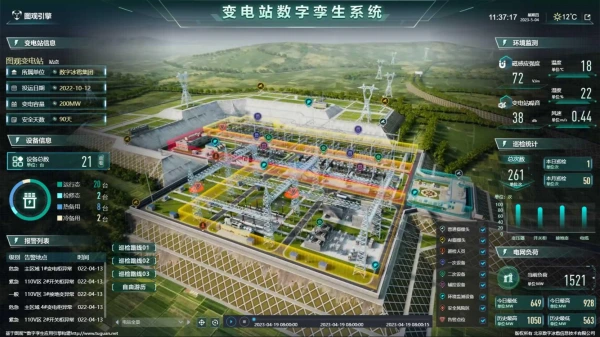
Discover how smart transformers are transforming modern power grids with AI monitoring, IoT connectivity, predictive maintenance, and renewable energy integration.
Dry-Type vs Oil-Immersed Smart Transformers
Both dry-type and oil-immersed transformers are evolving into intelligent platforms.
Smart Dry-Type Transformers
Best suited for:
- Commercial buildings
- Data centers
- Hospitals
- Airports
- Renewable energy systems
Advantages include:
- Fire safety
- Low maintenance
- Environmental friendliness
- Indoor installation capability
Smart Oil-Immersed Transformers
Widely used in:
- Utility substations
- Heavy industry
- Mining
- Large-scale renewable projects
Advantages include:
- Higher overload capacity
- Better cooling performance
- Superior efficiency at high capacities
Smart Transformers and the Renewable Energy Revolution
Renewable energy projects increasingly require intelligent power distribution systems.
In solar farms and wind plants, smart transformers help operators:
- Stabilize voltage fluctuations
- Improve grid synchronization
- Reduce transmission losses
- Enable remote unmanned operation
As renewable penetration increases globally, intelligent transformer technology becomes critical for grid stability.
Cybersecurity Becomes a New Priority
As transformers become connected devices, cybersecurity becomes essential.
Modern smart transformer systems now incorporate:
- Encrypted communication protocols
- Multi-layer authentication
- Secure firmware upgrades
- Intrusion detection systems
Utilities are treating transformer cybersecurity as part of national critical infrastructure protection.
Future Trends in Smart Transformer Development
The next generation of transformers will become even more intelligent.
Emerging Trends Include:
- AI self-diagnosis systems
- Digital twin technology
- Edge computing integration
- Carbon footprint monitoring
- Autonomous load optimization
- Blockchain-enabled energy management
Future transformers may eventually operate as fully autonomous energy management nodes within smart cities.
Global Market Outlook
According to multiple industry forecasts, the global smart transformer market is expected to grow rapidly over the next decade due to:
- Smart grid investments
- Renewable energy expansion
- Electrification policies
- EV infrastructure development
- Industrial automation demand
Regions showing particularly strong growth include:
- Middle East
- Southeast Asia
- Africa
- North America
Large-scale grid modernization projects are creating substantial opportunities for transformer manufacturers and EPC contractors.
The transformer industry is no longer just about copper, steel, and insulation systems.
The future belongs to intelligent, connected, and data-driven electrical infrastructure.
Smart transformers are becoming the bridge between traditional power engineering and the digital energy era. Companies that embrace intelligent transformer technology today will be positioned at the center of tomorrow’s smart grid ecosystem.
For utilities, industrial users, renewable developers, and infrastructure investors, smart transformers are no longer optional upgrades — they are strategic infrastructure assets for the future energy economy.
Luoyang Datang Energy Technology Co., Ltd. is a high-tech enterprise integrating R&D, manufacturing and supply of power equipment such as transformers, new energy components, distribution cabinets and inverters. With technological innovation as the core, we focus on creating high-reliability and high-performance power solutions to serve global customers. With a strict quality control system and international standard certification, we continue to output excellent products and enable customers to build safe and stable power systems.
RELATED POSTS
The Most Expensive Mistake at the World Cup Isn’t Missing a Goal
Step Down Transformer 220V to 110V: A Complete Guide for Safe Voltage Conversion
The Grid in Transition: Mastering the Integration of Variable Renewable Energy Sources
How do we solve the heat problem of power amplifiers? ——Discover the mystery of Heat sink
Transformers in Photovoltaic Power Generation Systems: A Complete Technical Guide from System Architecture to Engineering Selection