Lieferant elektronischer Komponenten | Transformatoren, Induktoren, Wechselrichter


Introduction to Dry Type Transformers
Dry type transformers are essential electrical devices that provide safe, Effiziente Stromverteilung ohne Flüssigkeitskühlung. Im Gegensatz zu ölgefüllten Transformatoren, Sie verwenden Luft- oder Feststoffisolierung, making themumweltfreundlich, wartungsarm, and ideal for indoor applications. With growing demand forsustainable and fire-safe electrical solutions, dry type transformers are becoming the preferred choice across industries.
Key Advantages of Dry Type Transformers
Why are dry type transformers gaining popularity? Here’s why:
✔No Fire Hazard – No flammable oil, reducing explosion risks.
✔Geringer Wartungsaufwand – Keine Öllecks oder Filterung erforderlich.
✔Eco-Friendly – Free from toxic liquids, supporting green initiatives.
✔Kompakt & Versatile – Suitable for tight spaces like buildings, Krankenhäuser, und Rechenzentren.
Different Types of Dry Type Transformers
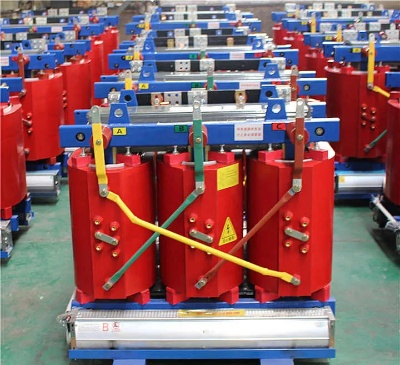
1. Cast Resin Dry Type Transformers (CRT)
- Best for: Raue Umgebungen (hohe Luftfeuchtigkeit, Staub, Chemikalien).
- Merkmale: Epoxy resin encapsulation prevents moisture damage.
- Anwendungen: Offshore wind farms, Bergbau, Industrieanlagen.
2. Vakuumdruckimprägniert (VPI) Transformatoren
- Best for: High-load commercial & utility use.
- Merkmale: Insulated with varnish under vacuum pressure for durability.
- Anwendungen: Krankenhäuser, Rechenzentren, high-rise buildings.
3. Open Wound (Ventilated) Trockentransformatoren
- Best for: Cost-effective general-purpose power distribution.
- Merkmale: Air-cooled, no enclosure, requires clean environments.
- Anwendungen: Fabriken, Lagerhäuser, Anlagen für erneuerbare Energien.
4. Encapsulated (Sealed) Trockentransformatoren
- Best for: Extreme conditions (corrosive, explosive atmospheres).
- Merkmale: Fully sealed to block dust and moisture.
- Anwendungen: Chemical plants, marine, Öl & gas industries.
2024 Trends in Dry Type Transformers
- Smart Monitoring – IoT-enabled transformers for real-time diagnostics.
- Energieeffizienz – Compliance with DOE 2016 & IEC 60076 Standards.
- Renewable Integration – Solar/wind farms adopt dry type transformers for sustainability.
- Hybride Designs – Combining air & solid insulation for better performance.
How to Choose the Right Dry Type Transformer
Consider these factors:
🔹Load Capacity – Match your power requirements (kVA-Leistung).
🔹Kühlmethode – Natural air (EIN) or forced air (VON) Kühlung.
🔹Umgebungsbedingungen – Humidity, Staub, and temperature ratings.
🔹Zertifizierungen – UL, IEC, or IEEE compliance for safety.
Abschluss
Dry type transformers offersafer, Reiniger, und effizienter power distribution compared to oil-filled alternatives. Mit Fortschritten insmart technology and eco-friendly designs, they are the future of electrical infrastructure.
VERWANDTE BEITRÄGE
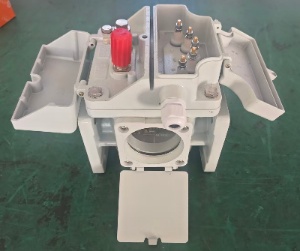
Das Gasrelais: Der unbesungene Held, der Transformatorkatastrophen verhindert
Die Zukunft der Energie erschließen: Ein tiefer Einblick in Microgrid-Technologien

Der weltweite Markt für Leistungstransformatoren wird voraussichtlich USD erreichen 33.7 Milliarden von 2028, wächst mit einer CAGR von 6.8% im Prognosezeitraum.
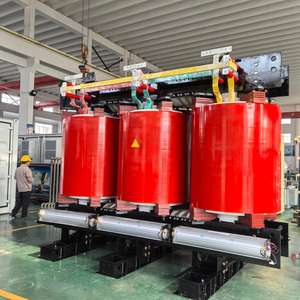
Eingehende Analyse von Epoxidharz-Trockentransformatoren: Herstellungsprozess, Leistungsindikatoren, und internationale Marktanwendungen
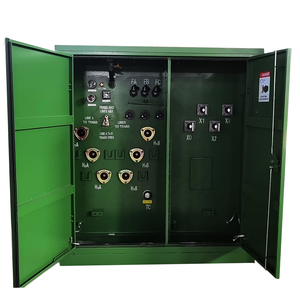
Kastentransformator: 7 Gründe, warum es die erste Wahl für die moderne Stromverteilung ist