


Leverandør av elektroniske komponenter | Transformatorer, Induktorer, Invertere


Introduction to Dry Type Transformers
Dry type transformers are essential electrical devices that provide safe, effektiv kraftfordeling uten væskekjøling. I motsetning til oljefylte transformatorer, de bruker luft eller solid isolasjon, making themmiljøvennlig, lite vedlikehold, and ideal for indoor applications. With growing demand forsustainable and fire-safe electrical solutions, dry type transformers are becoming the preferred choice across industries.
Key Advantages of Dry Type Transformers
Why are dry type transformers gaining popularity? Here’s why:
✔No Fire Hazard – No flammable oil, reducing explosion risks.
✔Lite vedlikehold – Ingen oljelekkasjer eller filtrering nødvendig.
✔Eco-Friendly – Free from toxic liquids, supporting green initiatives.
✔Kompakt & Allsidig – Suitable for tight spaces like buildings, sykehus, og datasentre.
Different Types of Dry Type Transformers
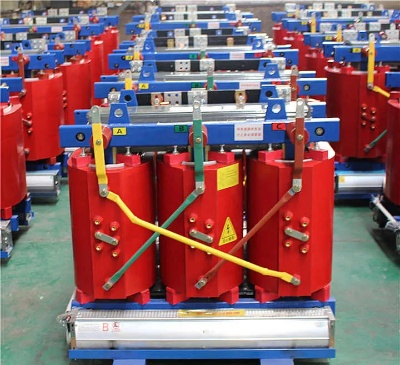
1. Cast Resin Dry Type Transformers (CRT)
- Best for: tøffe miljøer (høy luftfuktighet, støv, kjemikalier).
- Funksjoner: Epoxy resin encapsulation prevents moisture damage.
- Søknader: Offshore wind farms, mining, industrianlegg.
2. Vakuumtrykkimpregnert (VPI) Transformatorer
- Best for: High-load commercial & utility use.
- Funksjoner: Insulated with varnish under vacuum pressure for durability.
- Søknader: Sykehus, datasentre, høyhus.
3. Open Wound (Ventilated) Transformatorer av tørr type
- Best for: Cost-effective general-purpose power distribution.
- Funksjoner: Luftkjølt, no enclosure, requires clean environments.
- Søknader: Fabrikker, varehus, renewable energy plants.
4. Encapsulated (Sealed) Transformatorer av tørr type
- Best for: Extreme conditions (corrosive, explosive atmospheres).
- Funksjoner: Fully sealed to block dust and moisture.
- Søknader: Chemical plants, marine, olje & gas industries.
2024 Trends in Dry Type Transformers
- Smart overvåking – IoT-enabled transformers for real-time diagnostics.
- Energieffektivitet – Compliance with DOE 2016 & IEC 60076 standarder.
- Renewable Integration – Solar/wind farms adopt dry type transformers for sustainability.
- Hybrid Designs – Combining air & solid insulation for better performance.
How to Choose the Right Dry Type Transformer
Vurder disse faktorene:
🔹Lastekapasitet – Match your power requirements (kVA rating).
🔹Kjølemetode – Natural air (AN) or forced air (AV) kjøling.
🔹Miljøforhold – Humidity, støv, and temperature ratings.
🔹Sertifiseringer – UL, IEC, or IEEE compliance for safety.
Konklusjon
Dry type transformers offertryggere, renere, og mer effektiv power distribution compared to oil-filled alternatives. With advancements insmart technology and eco-friendly designs, they are the future of electrical infrastructure.
RELATERTE INNLEGG

Strømmotstand kjøleribbe: Gir stabile og effektive varmestyringsløsninger for kraftutstyr
Arbeidsprinsippet og bruksområdene til strømtransformatoren

Den ultimate guiden til installasjon av solcellepaneler i 2024

Solar og elektrisk inverter: Den perfekte kombinasjonen av solenergi og kraftkonvertering
Svart teknologi i fotovoltaiske omformere – Elektromagnetisk kompatibilitetsdesign
