Leverandør af elektroniske komponenter | Transformere, Induktorer, Invertere


Introduction to Dry Type Transformers
Dry type transformers are essential electrical devices that provide safe, efficient power distribution without liquid cooling. I modsætning til oliefyldte transformere, they use air or solid insulation, making themeco-friendly, lav vedligeholdelse, and ideal for indoor applications. With growing demand forsustainable and fire-safe electrical solutions, dry type transformers are becoming the preferred choice across industries.
Key Advantages of Dry Type Transformers
Why are dry type transformers gaining popularity? Here’s why:
✔No Fire Hazard – No flammable oil, reducing explosion risks.
✔Lav vedligeholdelse – No oil leaks or filtration needed.
✔Eco-Friendly – Free from toxic liquids, supporting green initiatives.
✔Compact & Versatile – Suitable for tight spaces like buildings, hospitaler, og datacentre.
Different Types of Dry Type Transformers
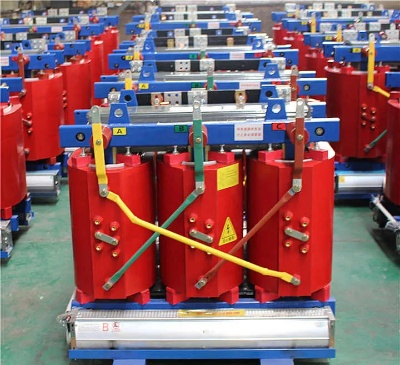
1. Cast Resin Dry Type Transformers (CRT)
- Best for: Harsh environments (high humidity, støv, kemikalier).
- Features: Epoxy resin encapsulation prevents moisture damage.
- Ansøgninger: Offshore wind farms, mining, industrianlæg.
2. Vakuumtryk imprægneret (VPI) Transformere
- Best for: High-load commercial & utility use.
- Features: Insulated with varnish under vacuum pressure for durability.
- Ansøgninger: Hospitaler, datacentre, high-rise buildings.
3. Open Wound (Ventilated) Dry Type Transformers
- Best for: Cost-effective general-purpose power distribution.
- Features: Air-cooled, no enclosure, requires clean environments.
- Ansøgninger: Fabrikker, varehuse, renewable energy plants.
4. Encapsulated (Sealed) Dry Type Transformers
- Best for: Extreme conditions (corrosive, explosive atmospheres).
- Features: Fully sealed to block dust and moisture.
- Ansøgninger: Chemical plants, marine, olie & gas industries.
2024 Trends in Dry Type Transformers
- Smart Monitoring – IoT-enabled transformers for real-time diagnostics.
- Energieffektivitet – Compliance with DOE 2016 & IEC 60076 standarder.
- Renewable Integration – Solar/wind farms adopt dry type transformers for sustainability.
- Hybrid Designs – Combining air & solid insulation for better performance.
How to Choose the Right Dry Type Transformer
Consider these factors:
🔹Load Capacity – Match your power requirements (kVA vurdering).
🔹Afkølingsmetode – Natural air (AN) or forced air (AF) afkøling.
🔹Environmental Conditions – Humidity, støv, and temperature ratings.
🔹Certifications – UL, IEC, or IEEE compliance for safety.
Konklusion
Dry type transformers offersikrere, cleaner, and more efficient power distribution compared to oil-filled alternatives. With advancements insmart technology and eco-friendly designs, they are the future of electrical infrastructure.
RELATEREDE OPSLAG
Diskrete fasekontrollerede tyristorer: Innovation inden for kraftelektronik, der fører til fremtiden
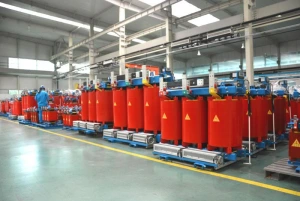
Transformerteknologi af tør type: Fra isoleringsinnovation til intelligente strømøkosystemer
Application case analysis of Ideal Diode Module in circuit protection and signal processing
Data viser, at brugen af naturgas og kul til elproduktion i Storbritannien er på det laveste niveau siden 1957
Den ultimative guide til transformerviklingstråd: Typer, Ansøgninger & Innovationer