Elektronesch Komponente Fournisseur | Transformers, Induktoren, Inverters


Introduction to Dry Type Transformers
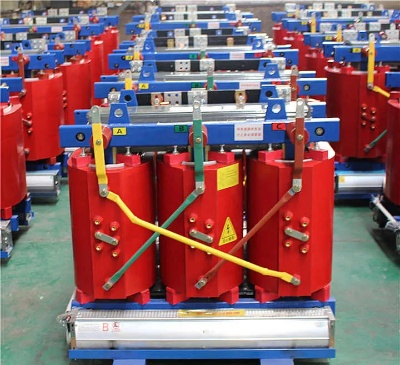
Dry type transformers are essential electrical devices that provide safe, efficace Muecht Verdeelung ouni Flëssegket Ofkillung. Am Géigesaz zu Ueleggefëllte Transformatoren, si benotzen Loft oder staark Isolatioun, making themeco-friendly, niddereg Ënnerhalt, and ideal for indoor applications. With growing demand forsustainable and fire-safe electrical solutions, dry type transformers are becoming the preferred choice across industries.
Key Advantages of Dry Type Transformers
Why are dry type transformers gaining popularity? Here’s why:
✔No Fire Hazard – No flammable oil, reducing explosion risks.
✔Niddereg Ënnerhalt – No oil leaks or filtration needed.
✔Eco-Friendly – Free from toxic liquids, supporting green initiatives.
✔Kompakt & Versatile – Suitable for tight spaces like buildings, Spideeler, an Daten Zentren.
Different Types of Dry Type Transformers
1. Cast Resin Dry Type Transformers (CRT)
- Best for: Harsh environments (héich Fiichtegkeet, Stëbs, Chemikalien).
- Fonctiounen: Epoxy resin encapsulation prevents moisture damage.
- Uwendungen: Offshore wind farms, mining, industriell Planzen.
2. Vakuum Drock Imprägnéiert (VPI) Transformers
- Best for: High-load commercial & utility use.
- Fonctiounen: Insulated with varnish under vacuum pressure for durability.
- Uwendungen: Spideeler, Daten Zentren, héich-klammen Gebaier.
3. Open Wound (Ventilated) Dréchen Typ Transformers
- Best for: Cost-effective general-purpose power distribution.
- Fonctiounen: Loftgekillt, no enclosure, requires clean environments.
- Uwendungen: Fabriken, Lagerhaiser, erneierbar Energieanlagen.
4. Encapsulated (Sealed) Dréchen Typ Transformers
- Best for: Extreme conditions (corrosive, explosive atmospheres).
- Fonctiounen: Fully sealed to block dust and moisture.
- Uwendungen: Chemical plants, marine, Ueleg & gas industries.
2024 Trends in Dry Type Transformers
- Smart Iwwerwachung – IoT-enabled transformers for real-time diagnostics.
- Energieeffizienz – Compliance with DOE 2016 & IEC 60076 Standarden.
- Renewable Integration – Solar/wind farms adopt dry type transformers for sustainability.
- Hybrid Designs – Combining air & solid insulation for better performance.
How to Choose the Right Dry Type Transformer
Consider these factors:
🔹Load Capacity – Match your power requirements (kVA Bewäertung).
🔹Cooling Method – Natural air (AN) oder gezwongen Loft (VUN) ofkillen.
🔹Ëmweltbedéngungen – Humidity, Stëbs, and temperature ratings.
🔹Zertifizéierungen – UL, IEC, or IEEE compliance for safety.
Conclusioun
Dry type transformers offerméi sécher, propper, a méi efficace power distribution compared to oil-filled alternatives. Mat Fortschrëtter ansmart technology and eco-friendly designs, they are the future of electrical infrastructure.
RELATED POSTS

Ueleg Taucht Transformator: eng Schlësselroll fir eng stabil Energieversuergung a Gebaier ze garantéieren

Wéi Thyristor Moduler innovéieren?
AI erlaabt Transformator Operatioun an Ënnerhalt: en technologesche Sprong vu Feelerreparatur bis prévisiv Ënnerhalt
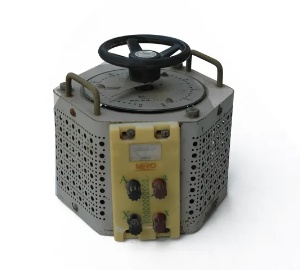
Variabel Transformator: Revolutionéierend Power Konversioun an Energieeffizienz
Héich Effizienz a Smart Transformers fir EV Opluedstatiounen