Lieferant elektronischer Komponenten | Transformatoren, Induktoren, Wechselrichter


What is an Oil-Immersed Transformer?
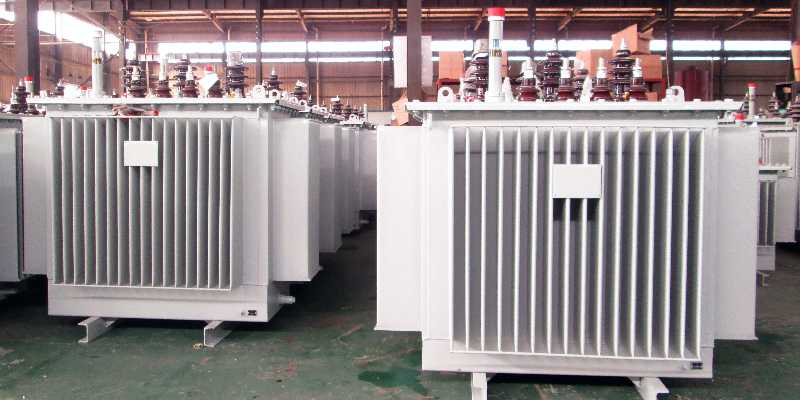
Anoil-immersed transformer is a power transformer that usesinsulating oil (mineral oil or synthetic ester) for bothcooling andelectrical insulation. The core and windings are submerged in oil, which dissipates heat and prevents electrical breakdown.

Key Components
Core: Laminated silicon steel to reduce eddy current losses.
Windings: Copper or aluminum conductors (HV/LV).
Tank: Sealed steel container filled with oil.
Insulating Oil:
Mineral oil (most common).
Bio-based or synthetic ester (eco-friendly alternatives).
Cooling System:
Radiators/fins (ONAN – Oil Natural Air Natural).
Fans (ONAF – Oil Natural Air Forced).
Protection Devices:
Buchholz relay (gas detection for internal faults).
Pressure relief valve.
Temperature sensors (oil/winding).
Types of Oil-Immersed Transformers
Hermetically Sealed
Fully sealed tank (no oil exposure to air).
No conservator; low maintenance.
Conservator-Type
Expansion tank (conservator) with breather to absorb moisture.
Common in large transformers.
Step-Lap Core Design
Reduced no-load losses and noise.
Specialty Types:
Fire-resistant (less-flammable oil).
Underground (compact design).

Advantages
✔ High Efficiency: Oil provides excellent heat dissipation.
✔ Long Lifespan: Properly maintained, lasts 25-30 years.
✔ Cost-Effective: Lower initial cost than dry-type transformers.
✔ Overload Capacity: Handles temporary overloads better.
Disadvantages
✖ Fire Risk: Oil is flammable (requires fireproof barriers).
✖ Maintenance: Regular oil testing and leak checks needed.
✖ Environmental Concerns: Oil disposal and spill risks.
Applications
Power Distribution: Step-down 11kV/33kV to 400V.
Industrial Plants: Steel mills, chemical factories.
Renewable Energy: Wind/solar farm substations.
Railways: Traction power supply.
Maintenance Requirements
Oil Testing:
Dielectric strength (>30 kV for mineral oil).
Acidity (<0.1 mg KOH/g).
Moisture content (<20 ppm).
Leak Inspection: Check gaskets, welds, and valves.
Sludge Removal: Clean oil ducts periodically.
Standards & Certifications
IEC 60076: International standards.
IEEE C57.12.00: North American standards.
GB/T 6451: Chinese standards.
Oil-Immersed vs. Dry-Type Transformers
Feature | Oil-Immersed | Dry-Type |
Cooling | Oil | Air/Solid Insulation |
Fire Risk | Higher | Lower |
Maintenance | More frequent | Minimal |
Efficiency | Better at high loads | Slightly lower |
Cost | Lower initial cost | Higher |
Purchasing Considerations
Capacity (kVA): Match to load requirements.
Voltage Ratio: Input/output voltage levels.
Impedance: Typically 4–10% for distribution transformers.
Environment: Indoor/outdoor, temperature, humidity.
Certifications: Ensure compliance with local regulations.
FAQ
Q: Can oil-immersed transformers be used indoors?
A: Ja, but require fireproof vaults and ventilation (NFPA 70 rules).
Q: How often should oil be tested?
A: Annually for routine checks; after overloads or faults.
Q: Are biodegradable oils reliable?
A: Ja, synthetic esters offer similar performance with lower fire risk.
For acustomized selection, provide:
Load details (kVA, voltage).
Installation environment.
Special requirements (e.g., low noise, high efficiency).
RELATED POSTS

What does a diode bridge module do?
Choosing an Inverter For Solar Panels

Application of high current fast recovery diodes in the field of new energy and its impact on the development of renewable energy
10 HP Transformer Price Guide 2024: Costs, Factors & Smart Purchasing Tips
Analysis of Residential Solar Panel Technology Trends in 2026: Comprehensive Upgrade of Efficient Components, Energy Storage Systems, and Intelligent Energy Management