


Fornecedor de componentes eletrônicos | Transformadores, Indutores, Inversores


O que é um transformador imerso em óleo?
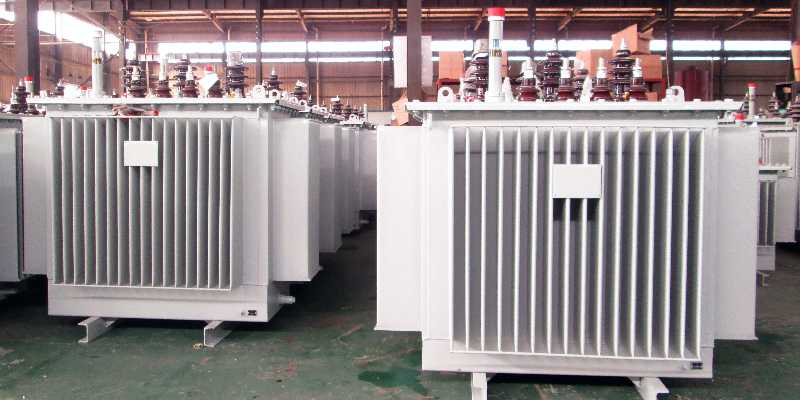
Umtransformador imerso em óleo é um transformador de potência que utilizaóleo isolante (óleo mineral ou éster sintético) para ambosresfriamento eisolamento elétrico. O núcleo e os enrolamentos estão submersos em óleo, que dissipa o calor e evita falhas elétricas.

Componentes principais
Essencial: Laminated silicon steel to reduce eddy current losses.
Enrolamentos: Condutores de cobre ou alumínio (AT/BT).
Tanque: Recipiente de aço selado cheio de óleo.
Insulating Oil:
Óleo mineral (mais comum).
Éster de base biológica ou sintético (eco-friendly alternatives).
Cooling System:
Radiadores/aletas (ONAN – Óleo Natural Ar Natural).
Fãs (ONAF – Óleo Natural Ar Forçado).
Protection Devices:
Revezamento Buchholz (detecção de gás para falhas internas).
Válvula de alívio de pressão.
Sensores de temperatura (óleo/enrolamento).
Tipos de transformadores imersos em óleo
Hermetically Sealed
Tanque totalmente selado (sem exposição de óleo ao ar).
Sem conservador; baixa manutenção.
Tipo Conservador
Tanque de expansão (conservador) with breather to absorb moisture.
Comum em grandes transformadores.
Step-Lap Core Design
Perdas e ruído sem carga reduzidos.
Specialty Types:
Resistente ao fogo (óleo menos inflamável).
Subterrâneo (design compacto).

Vantagens
✔ Alta eficiência: O óleo proporciona excelente dissipação de calor.
✔ Longa vida útil: Mantido adequadamente, dura 25-30 anos.
✔ Econômico: Custo inicial mais baixo do que transformadores do tipo seco.
✔ Capacidade de sobrecarga: Lida melhor com sobrecargas temporárias.
Desvantagens
✖ Risco de incêndio: O óleo é inflamável (requer barreiras à prova de fogo).
✖ Manutenção: São necessários testes regulares de óleo e verificações de vazamentos.
✖ Preocupações Ambientais: Eliminação de óleo e riscos de derramamento.
Aplicativos
Distribuição de energia: Redução de 11kV/33kV para 400V.
Plantas Industriais: Siderúrgicas, fábricas químicas.
Energia Renovável: Subestações de parques eólicos/solares.
Ferrovias: Fonte de alimentação de tração.
Requisitos de manutenção
Oil Testing:
Rigidez dielétrica (>30 kV para óleo mineral).
Acidez (<0.1 mg KOH/g).
Teor de umidade (<20 ppm).
Inspeção de Vazamento: Verifique as juntas, soldas, e válvulas.
Remoção de Lodo: Limpe os dutos de óleo periodicamente.
Padrões & Certificações
CEI 60076: Padrões internacionais.
IEEE C57.12.00: Padrões norte-americanos.
GB/T 6451: Padrões chineses.
Imerso em óleo vs. Transformadores do tipo seco
Recurso | Imerso em óleo | Tipo seco |
Resfriamento | Óleo | Isolamento Ar/Sólido |
Risco de incêndio | Mais alto | Mais baixo |
Manutenção | Mais frequente | Mínimo |
Eficiência | Melhor em cargas elevadas | Um pouco mais baixo |
Custo | Menor custo inicial | Mais alto |
Considerações de compra
Capacidade (kVA): Corresponder aos requisitos de carga.
Relação de tensão: Níveis de tensão de entrada/saída.
Impedância: Normalmente 4–10% para transformadores de distribuição.
Ambiente: Interior/exterior, temperatura, umidade.
Certificações: Garanta a conformidade com os regulamentos locais.
Perguntas frequentes
P: Os transformadores imersos em óleo podem ser usados em ambientes internos?
UM: Sim, mas requerem cofres e ventilação à prova de fogo (NFPA 70 regras).
P: Com que frequência o óleo deve ser testado?
UM: Anualmente para verificações de rotina; após sobrecargas ou falhas.
P: Os óleos biodegradáveis são confiáveis??
UM: Sim, os ésteres sintéticos oferecem desempenho semelhante com menor risco de incêndio.
Por umseleção personalizada, fornecer:
Carregar detalhes (kVA, tensão).
Ambiente de instalação.
Requisitos especiais (por exemplo, baixo ruído, high efficiency).
POSTS RELACIONADOS
O guia definitivo para conversores de frequência 2024: Como converter Hertz para aplicações globais

Qual o papel da eletrônica SCR no campo do controle de potência?
7 Acessórios essenciais para transformadores para sistemas de energia confiáveis

Como você garante a operação estável do dissipador de calor do transformador?
Abasteça sua direção com luz do sol: O guia definitivo para estações de carregamento solar para carros elétricos
