전자 부품 공급업체 | 트랜스포머, 인덕터, 인버터


What is an Oil-Immersed Transformer?
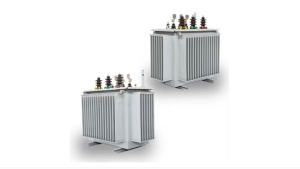
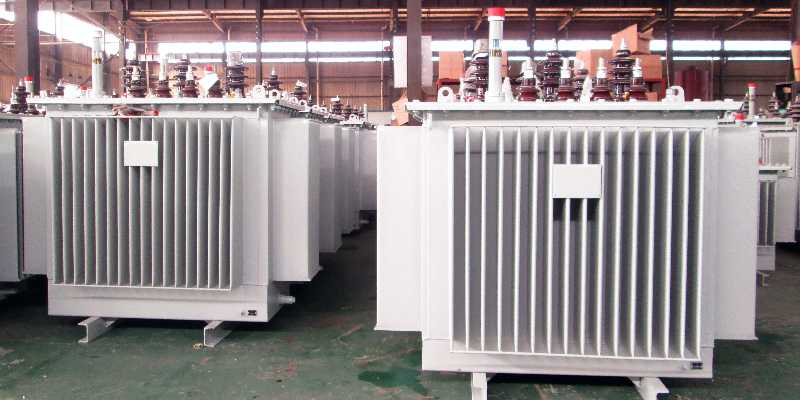
Anoil-immersed transformer is a power transformer that uses절연유 (mineral oil or synthetic ester) for both냉각 그리고electrical insulation. The core and windings are submerged in oil, which dissipates heat and prevents electrical breakdown.

Key Components
핵심: Laminated silicon steel to reduce eddy current losses.
권선: Copper or aluminum conductors (HV/LV).
Tank: Sealed steel container filled with oil.
Insulating Oil:
Mineral oil (most common).
Bio-based or synthetic ester (eco-friendly alternatives).
Cooling System:
Radiators/fins (ONAN – Oil Natural Air Natural).
Fans (ONAF – Oil Natural Air Forced).
Protection Devices:
부흐홀츠 릴레이 (gas detection for internal faults).
Pressure relief valve.
Temperature sensors (oil/winding).
Types of Oil-Immersed Transformers
Hermetically Sealed
Fully sealed tank (no oil exposure to air).
No conservator; low maintenance.
Conservator-Type
Expansion tank (관리자) with breather to absorb moisture.
Common in large transformers.
Step-Lap Core Design
Reduced no-load losses and noise.
Specialty Types:
Fire-resistant (less-flammable oil).
Underground (compact design).

장점
✔ 고효율: Oil provides excellent heat dissipation.
✔ Long Lifespan: 적절하게 유지 관리, lasts 25-30 연령.
✔ 비용 효율적: Lower initial cost than dry-type transformers.
✔ 과부하 용량: Handles temporary overloads better.
단점
✖ Fire Risk: Oil is flammable (requires fireproof barriers).
✖ 유지: Regular oil testing and leak checks needed.
✖ Environmental Concerns: Oil disposal and spill risks.
응용
Power Distribution: Step-down 11kV/33kV to 400V.
Industrial Plants: 제철소, chemical factories.
재생에너지: Wind/solar farm substations.
Railways: Traction power supply.
Maintenance Requirements
Oil Testing:
Dielectric strength (>30 kV for mineral oil).
Acidity (<0.1 mg KOH/g).
수분 함량 (<20 ppm).
Leak Inspection: Check gaskets, welds, and valves.
Sludge Removal: Clean oil ducts periodically.
표준 & Certifications
IEC 60076: International standards.
IEEE C57.12.00: North American standards.
GB/T 6451: Chinese standards.
Oil-Immersed vs. 건식 변압기
특징 | 기름에 잠긴 | 건식 |
Cooling | 기름 | Air/Solid Insulation |
Fire Risk | 더 높은 | 낮추다 |
유지 | More frequent | Minimal |
능률 | Better at high loads | Slightly lower |
비용 | Lower initial cost | 더 높은 |
Purchasing Considerations
용량 (kVA): Match to load requirements.
Voltage Ratio: Input/output voltage levels.
Impedance: Typically 4–10% for distribution transformers.
Environment: Indoor/outdoor, temperature, 습기.
Certifications: Ensure compliance with local regulations.
FAQ
Q: Can oil-immersed transformers be used indoors?
에이: 예, but require fireproof vaults and ventilation (NFPA 70 규칙).
Q: How often should oil be tested?
에이: Annually for routine checks; after overloads or faults.
Q: Are biodegradable oils reliable?
에이: 예, synthetic esters offer similar performance with lower fire risk.
For acustomized selection, provide:
Load details (kVA, voltage).
Installation environment.
Special requirements (예를 들어, 저소음, high efficiency).
관련 게시물

High-voltage thyristors: the source of wisdom for power control
An indispensable key equipment in the chemical industry: DN40-100 industrial butterfly valve

상업용 애플리케이션에서 단상 ~ 3상 인버터의 적용이 점점 더 널리 보급되고 있습니다.
풍력 터빈에 사용되는 변압기: 주요 기능, 유형, 및 업계 동향

태양광 패널 변환기: 그린에너지 전환의 핵심장비